Iranian Parliament Advances Bill to Criminalise Foreign Contact
New legislation requires Guardian Council approval and would mandate state authorisation for academic cooperation, media interviews, and civil society funding.
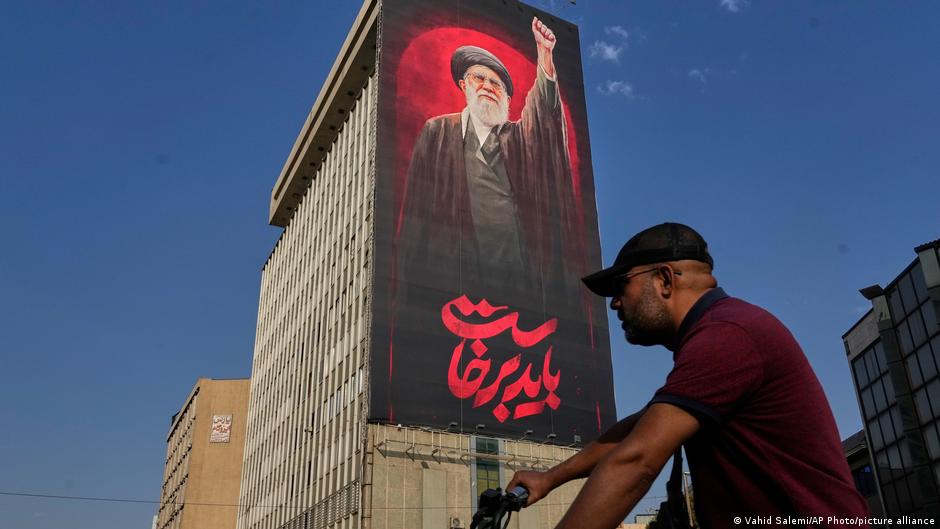
The Iranian parliament has approved the broad outlines of a bill imposing strict restrictions on interactions with foreign institutions, media, and organisations. The legislation, which requires final approval by the 12-member Guardian Council, would ban or require prior authorisation for cooperation with overseas universities, communication with foreign embassies, and the receipt of foreign financial support.
Article 5 of the proposed bill requires the Intelligence Ministry to publish an annual list of foreign universities and institutions approved for scientific and research cooperation. Collaboration with unlisted institutions would be prohibited, and sending medical, research, or archaeological samples to unauthorised foreign entities could result in criminal penalties, including imprisonment. This provision effectively places international academic engagement under the direct oversight of security agencies.
The bill extends these restrictions to civil society, requiring approval from a committee involving government ministries and security institutions for certain foreign funding, contracts, and cooperation involving NGOs, associations, and political parties. Additionally, a provision allows for increased punishment for ordinary offences if authorities determine the act was directed or influenced by a foreign actor, a mechanism legal experts warn could be used to escalate minor infractions into security cases.
Penalties for interviewing or discussing with media deemed hostile to the Republic could include imprisonment between six months and two years, as reported by Reuters. The specific boundary between legitimate contact and foreign influence remains undefined in the text, leaving interpretation to security institutions and courts. This ambiguity creates significant legal uncertainty for citizens, academics, and journalists operating within the country.
Authorities claim the legislation is necessary to combat foreign intelligence activities and influence, citing a heightened security environment following the ongoing conflict with the US and a short war with Israel last year. Proponents argue that while espionage is already covered by Iranian law, there is no clear legal framework for addressing broader foreign influence.
Critics, including legal experts and media researchers, argue the bill is designed to restrict freedom of expression and limit independent media access. Sina Yousefi, a legal expert, noted that the law creates an atmosphere of fear by making it unclear whether standard professional activities could later be treated as criminal acts. Parviz Yari of the Defending Free Flow of Information described the bill as an effort to strengthen the state's information monopoly and disrupt the professional work of journalists and researchers.