Iranian military elite consolidate power over Strait of Hormuz as diplomatic efforts stall
Amidst a war that has killed at least 30 civilians in the past week, Tehran’s security apparatus asserts control of vital shipping lanes, rejecting Washington’s claims of internal fragmentation.
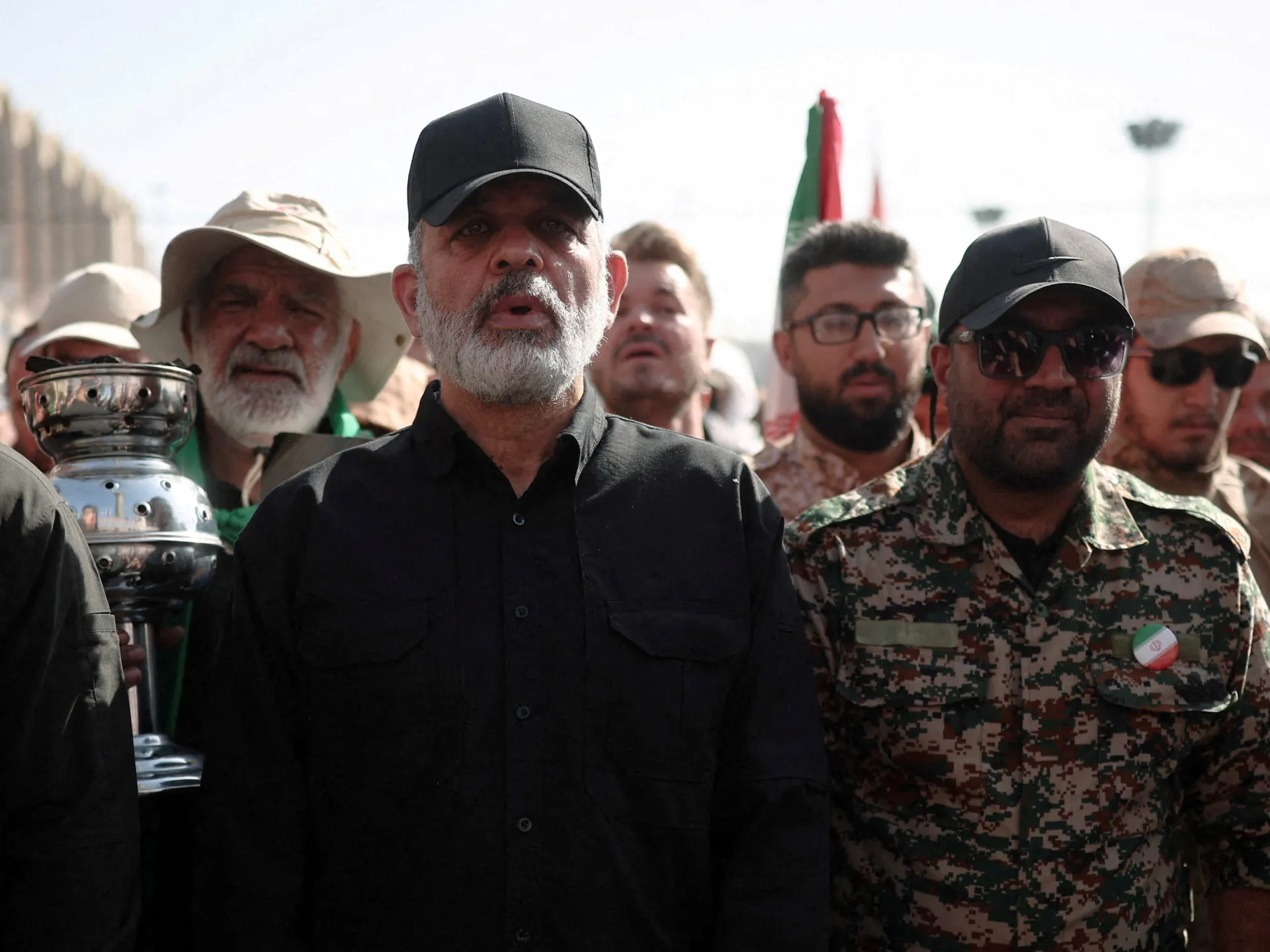
Iran’s military and security commanders, spearheaded by the Islamic Revolutionary Guard Corps (IRGC), have solidified their authority over the Strait of Hormuz, presenting a cohesive front that contradicts assertions of leadership disarray from the United States. While US President Donald Trump has characterised the Iranian regime as fragmented following the assassination of former Supreme Leader Ali Khamenei, Iranian authorities maintain that state policy remains unified in its determination to control passage through the strategic waterway.
The consolidation of power is evident in the rare public appearances of senior military figures, including IRGC Commander-in-Chief Ahmad Vahidi, Joint Wartime Command Head Ali Abdollahi, and new IRGC Navy Commander Ali Azmaei. These officials have consistently articulated a resolve to maintain military gains in the strait, even as multiple tankers and cargo ships have been attacked in recent weeks. Their stance reflects a broader institutional shift where security elites, rather than civilian diplomats, dictate the trajectory of the conflict.
Mohammad Bagher Zolghadr, secretary of the Supreme National Security Council and a member of the IRGC old guard, has reinforced this hardline posture. Having replaced assassinated security chief Ali Larijani, Zolghadr has indicated that any negotiations must be conducted from a position of military leverage without capitulation. He has framed the IRGC’s capabilities in the Hormuz as strategic assets integral to national security, while also emphasising the role of Tehran-backed allies in Lebanon and other regions.
Civilian leaders, including President Masoud Pezeshkian and Foreign Minister Abbas Araghchi, advocate for diplomatic engagement but wield significantly less influence than the military-security elite. Pezeshkian, who heads government ministries and economic management, has sought to project unity with military commanders, criticising state television for suggesting a separation between the government and the armed forces. He described such narratives as Israeli propaganda, insisting that he considers it his honour to defend military personnel despite reports of his diminished political power.
The political landscape is further complicated by the succession of Mojtaba Khamenei, who lacks the absolute authority of his predecessor. Backed by hardline factions such as the Paydari Front, Mojtaba has reappointed hardline judiciary chief Gholam-Hossein Mohseni-Ejei and authorised a memorandum of understanding despite holding a different view on the matter. Meanwhile, Speaker of Parliament Mohammad Bagher Ghalibaf has been appointed as chief negotiator, utilising his background as a former IRGC commander to navigate the theocratic establishment, though he faces persistent opposition from hardline lawmakers demanding vengeance and uncompromising control of the strait.