Iranian households face purchasing power collapse as war-driven inflation outpaces wage hikes
Despite a 60% minimum wage increase and new food vouchers, rapid price surges for staples like rice, chicken, and milk have eroded living standards amid the ongoing conflict with the US and Israel.
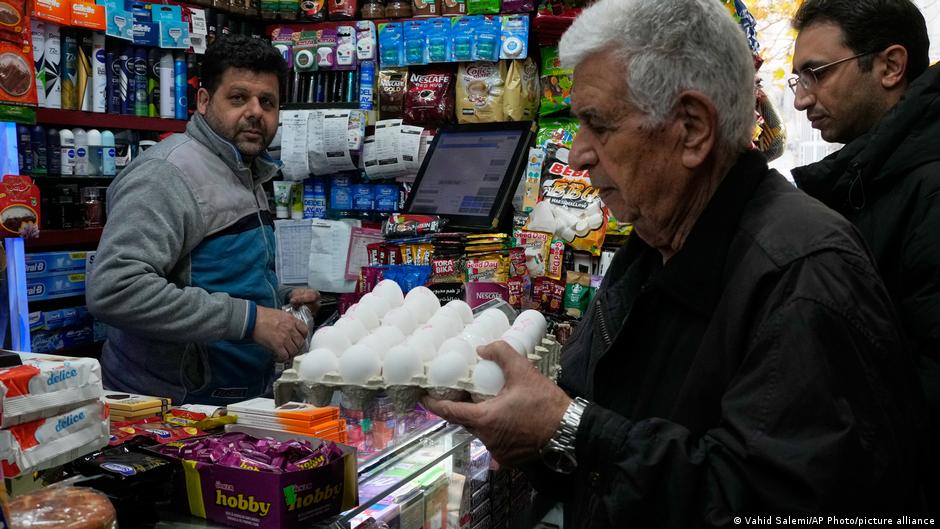
Living conditions for ordinary Iranians are deteriorating rapidly as the ongoing war with the United States and Israel exacerbates years of existing economic strain. While authorities have attempted to shield low-income households through a 60% increase in the monthly minimum wage to 166 million rials and the introduction of a food voucher scheme, residents report that these measures are failing to keep pace with weekly price increases. The conflict has disrupted supplies of oil, gas, and fertilizer, causing costs for transport and imports to ripple outward through the economy.
In Tehran, the crisis is defined not by headline inflation figures but by the speed at which ordinary prices change. One resident reported that the price of rice increased by 9% within a two-week period, with similar hikes observed for items such as ice cream. Prices are climbing on a weekly basis, whereas salaries are adjusted only once a year. Consequently, many households are forced to purchase food, detergents, and hygiene products in bulk and store them at home before prices rise again, as purchasing power continues to collapse.
The introduction of the food voucher policy has not stabilised the market as intended. The same Tehran resident noted that since the scheme was implemented, chicken prices had more than doubled and milk prices had risen by nearly 50%, while the value of the voucher remained static. Supermarket owners observe that customers are purchasing significantly smaller quantities of staples like rice, with some unable to buy necessities in normal amounts. The immediate problem for consumers is not that shops are empty, but that prices are growing out of reach for those with dwindling savings.
The disconnect between official currency and daily transactions further highlights the severity of the situation. While the rial remains the official currency, prices are commonly quoted in tomans, with one toman worth 10 rials. A shopkeeper told Deutsche Welle that finding items costing 10,000 tomans has become almost impossible, describing unprecedented desperation among consumers. The bleakest moments occur when children ask for such low-cost items, a scenario the shopkeeper stated he had never witnessed in all his years in business.
Arzoo Karimi, a London-based economic analyst, cited figures from the Statistical Center of Iran indicating that securing minimum calories now costs over 7 million tomans, or approximately $39.00, per person per month. Karimi stated that food costs now account for more than 70% of income for a three-person household, leaving little or nothing for rent, healthcare, or education. She argued that because rent and medicine often take priority, households are forced to cut their diets step by step, eliminating protein and dairy first, and now facing serious challenges regarding carbohydrates and ordinary bread.