Iranian Foreign Minister seeks Moscow backing as Tehran-Washington diplomacy stalls
Abbas Araghchi arrives in St. Petersburg to engage President Vladimir Putin while direct negotiations with the United States remain suspended.
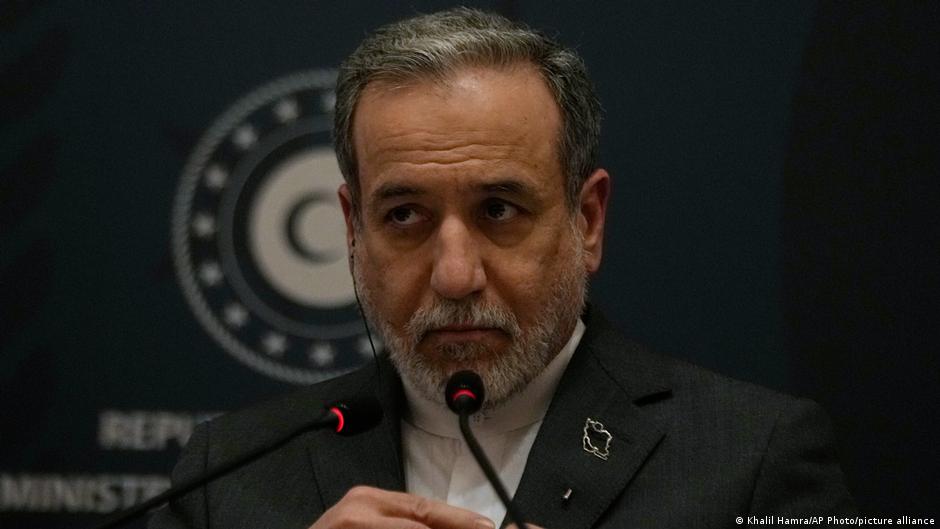
Iranian Foreign Minister Abbas Araghchi has arrived in Russia to meet with President Vladimir Putin, seeking Moscow's support as diplomatic channels between Tehran and Washington remain severed. This high-level engagement marks a strategic shift for Tehran, moving away from stalled mediation efforts in Pakistan and Oman where direct talks with the United States have failed to produce an agreement.
The visit to Moscow follows a series of unsuccessful attempts to restart dialogue, including a trip by Araghchi to Pakistan where he met with the military chief, the Prime Minister, and the Foreign Minister. These efforts culminated in a brief stop in Oman before Araghchi departed for Russia on Sunday. The move underscores the deepening reliance on the Iran-Russia alliance as direct negotiations fracture and diplomatic channels continue to deteriorate.
Complicating the situation, US President Donald Trump cancelled a planned mission to Islamabad by envoys Steve Witkoff and Jared Kushner, stating that further discussions would amount to "sitting around talking about nothing." This decision comes after a first round of talks in mid-April failed to yield a deal, leaving both sides entrenched in their respective positions regarding the widening Middle East conflict.
The core of the impasse lies in divergent demands regarding the Strait of Hormuz and Iran's nuclear programme. While Iran has proposed reopening the strait and postponing nuclear negotiations, the United States insists on halting uranium enrichment. Iran maintains that its nuclear activities are for peaceful purposes only, whereas Washington views the current enrichment levels as a threat.
Iran has reportedly communicated its red lines to Washington via Pakistan, outlining conditions that include the reopening of the Strait of Hormuz and a delay in nuclear talks. However, the specific contents of these written messages remain undetailed in public reports. Meanwhile, the effective closure of the strait has caused massive disruptions to global oil and gas supplies, adding economic pressure to the diplomatic stalemate.
Russia and Iran are close strategic allies, yet Moscow has historically been cautious about being drawn into Middle East conflicts while continuing its full-scale invasion of Ukraine. The current visit to St. Petersburg represents a significant test of Moscow's willingness to engage more actively in regional diplomacy, despite its ongoing commitments elsewhere.