Iranian Foreign Minister arrives in Moscow to coordinate diplomatic strategy with President Putin
Foreign Minister Abbas Araghchi meets President Vladimir Putin to discuss developments in the ongoing conflict, while Washington cites internal confusion in Tehran before cancelling an envoy visit to Islamabad.
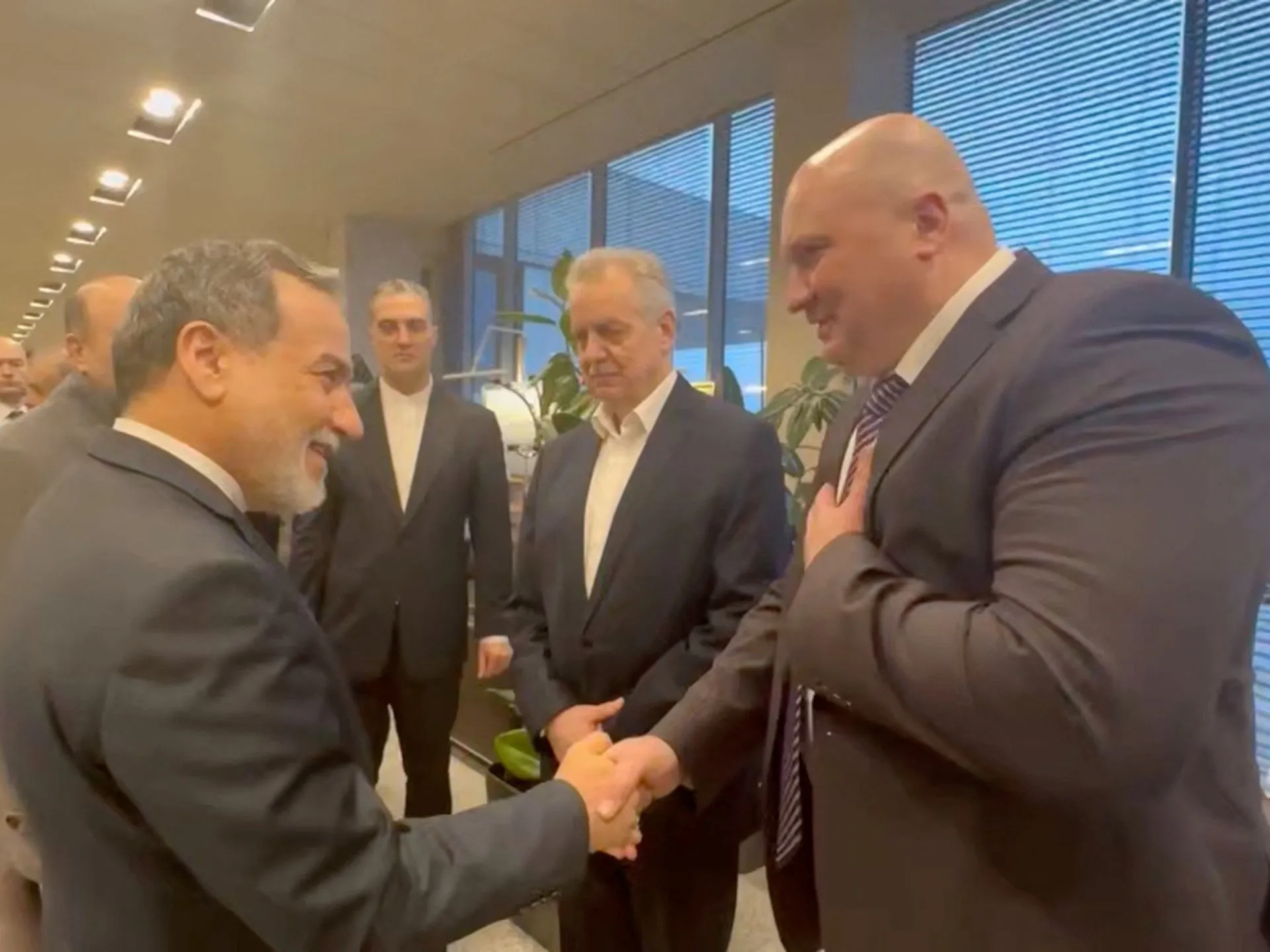
Iranian Foreign Minister Abbas Araghchi has arrived in Russia to engage in high-level consultations with President Vladimir Putin, marking a significant pivot in diplomatic strategy as Tehran seeks to coordinate efforts to end the ongoing war involving the United States and Israel. This engagement follows a temporary ceasefire mediated by Pakistan that has recently come under strain due to disputes over shipping in the Strait of Hormuz and a continuing US naval blockade on Iranian ports.
Upon his arrival, Araghchi stated to Iranian media that the purpose of the visit was to continue close consultations between Tehran and Moscow on regional and international issues. He expressed confidence that the coordination between the two nations would be of particular importance in reviewing the latest situation and discussing developments in the war. The visit builds on a previous meeting in Muscat with Omani officials, indicating a broader regional diplomatic push to rally support for renewed negotiations.
The shift to Moscow occurs as direct negotiations between Tehran and Washington remain inactive. US President Donald Trump cancelled plans for a special envoy visit to Islamabad, citing "tremendous infighting and confusion" within Tehran's leadership. Consequently, Iranian President Masoud Pezeshkian has reiterated that substantive negotiations cannot proceed while the blockade remains in place, a stance that complicates the path forward for any potential settlement.
While the ceasefire agreed upon on April 8 has largely halted fighting, the diplomatic landscape remains volatile. A parallel conflict involving Israel and Lebanon threatens to complicate ongoing talks, and the US Central Command (CENTCOM) has reported directing 38 ships to turn around or return to port, continuing the enforcement of the blockade on Iranian waters. These factors suggest that the upcoming talks in Russia may address both diplomatic settlements and scenarios of confrontation.
Reporting from Tehran indicates that Russia is expected to play a central role in any next phase of the conflict. Analysts note that Moscow is positioned to influence outcomes whether the situation moves toward a diplomatic resolution or escalates further. As Araghchi departs Pakistan for Moscow, the focus of diplomatic efforts has moved away from Islamabad, where officials remained hopeful that a framework for a permanent end to hostilities could still be established.
The visit underscores the deepening ties between Tehran and Moscow as both nations face fierce Western sanctions. With Washington stating that Iranian leaders can reach out if they wish to resume talks, the current diplomatic push in Russia aims to prioritise Iranian demands, including the extension of the ceasefire and the resolution of the situation at the Strait of Hormuz.