Iranian forces strike US bases in Bahrain and Kuwait as regional conflict intensifies
Tehran claims hits on air defence and missile systems in Kuwait and Bahrain, while Washington warns of severe consequences for attacks on American personnel.
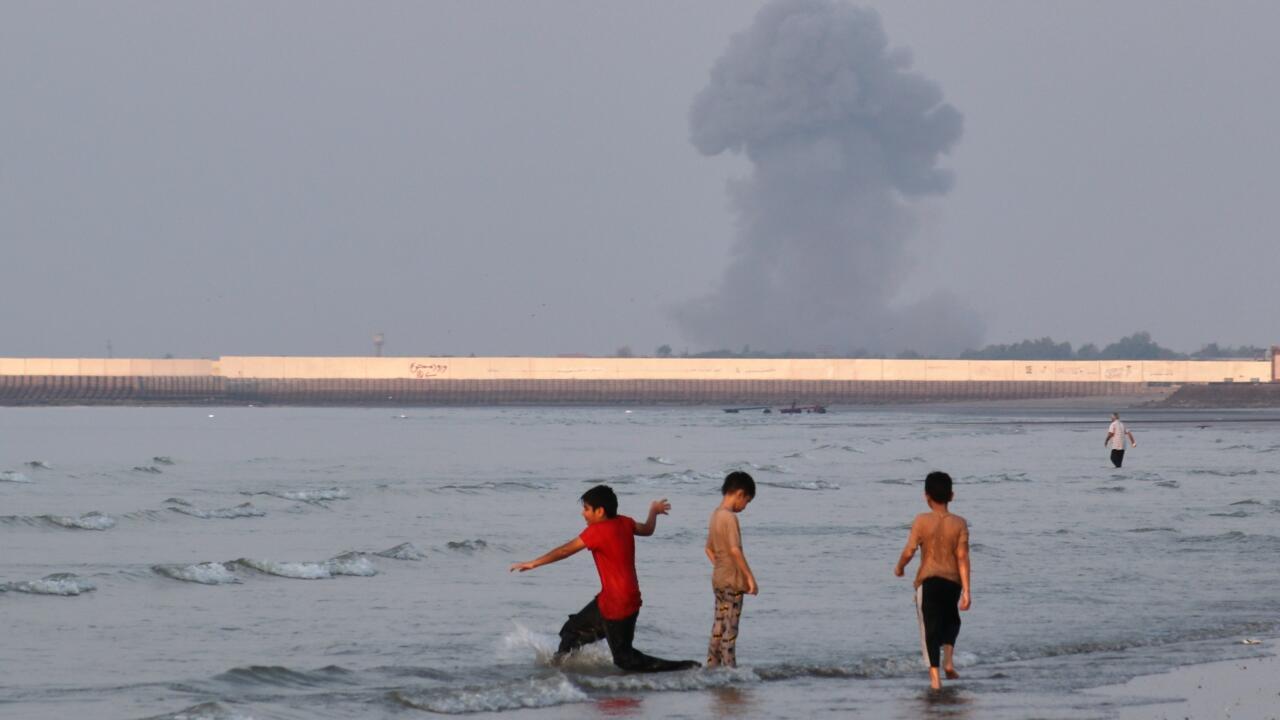
Iran’s Revolutionary Guards and army announced on 21 July 2026 that they had struck US military installations in Bahrain and Kuwait, targeting air defence systems, radar installations, and HIMARS mobile missile systems. The attacks followed US Central Command statements confirming that American forces had completed overnight strikes on Iranian military command centres and launch sites to counter threats to shipping in the Strait of Hormuz.
The Revolutionary Guards claimed to have hit two air defence systems and a radar installation at two different US outposts in Bahrain, as well as missile defence systems and satellite reception equipment in Kuwait. Iran’s Army stated it targeted "three major US bases in Kuwait" with kamikaze drones and specifically hit HIMARS systems at the Camp Arifjan base with surface-to-surface missiles. Camp Arifjan, located south of Kuwait City, hosts elements of the US Air Force, Navy, Marine Corps, and Coast Guard.
These strikes come as the United States completes its tenth consecutive night of airstrikes against Iran. US Central Command stated the primary objective of the campaign was to degrade Tehran’s ability to attack commercial vessels in the Strait of Hormuz. The escalation has prompted the US State Department to issue a travel alert, urging American citizens to exercise increased caution and reconsider travel to the Middle East due to the potential for unforeseen escalation and attacks on diplomatic facilities.
US President Donald Trump warned Iran it would pay "many times over" for every American soldier killed. Meanwhile, the conflict has drawn in other regional actors, with Houthi rebels threatening to blockade Saudi ports, potentially impacting Riyadh’s oil exports. The United Kingdom Maritime Trade Operations agency reported that a tanker was struck by an unknown projectile in the Strait of Hormuz, 8 nautical miles northeast of Oman’s Limah.
Diplomatic efforts are underway as Lebanese President Joseph Aoun prepares to meet with President Trump in Washington. The discussions focus on pressure on Israel to withdraw from south Lebanon, contingent on the disarmament of Hezbollah. The conflict began in March 2026 when Hezbollah drew Lebanon into the regional war, leading to US-sponsored negotiations for the Lebanese army to control "pilot zones" in southern Lebanon.