Iranian families navigate wartime repression to trace missing relatives
Months after deadly protests, families use limited internet access to locate loved ones lost in prisons and juvenile centres amid accelerated judicial proceedings.
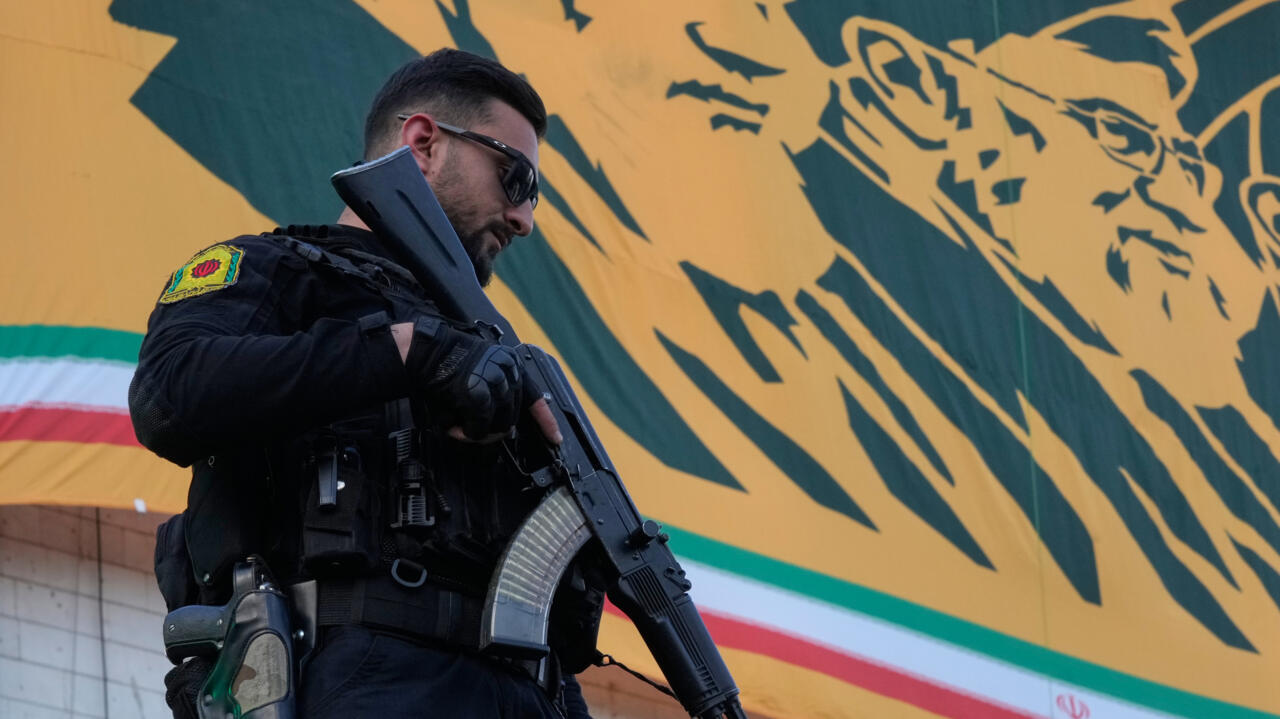
Months after the peak of a brutal crackdown on anti-regime protests, Iranian families continue to search for missing relatives amidst intensified repression linked to the ongoing US-Israel war. The unrest, which began in December 2025 and culminated in a violent peak on 8 January 2026, resulted in thousands of deaths and widespread detentions. Many individuals have disappeared into prisons and juvenile correction centres, with official records often failing to account for their whereabouts.
The situation has been exacerbated by the US-Israel war on Iran, which commenced on 28 February 2026. This conflict has triggered near-total internet blackouts, severely hindering families' ability to access information about detainees. IranWire, a news collective operating in the diaspora, noted that accessing detainee status has become significantly more difficult, compounding the anxiety of relatives. While some "drip-feed" internet access has returned, it remains insufficient to meet the demand for information, leading to a backlog of desperate appeals on social media platforms.
Human rights organisations have documented the scale of the violence, though accurate counts remain elusive due to wartime disruptions. The Virginia-based NGO Human Rights Activists in Iran (HRAI) published a report in late February recording 6,488 confirmed deaths, with an additional 11,744 cases under review. Amnesty International stated that Iranian authorities are leveraging wartime conditions to justify mass arbitrary arrests, accelerated judicial proceedings, and politically motivated executions.
The judicial response has included rapid trials and executions. On 1 June 2026, protesters Mehrdad Mohammadinia and Ashkan Maleki were hanged in Tehran for charges related to national security and collaboration with hostile governments. Dozens of others arrested during the December-January uprisings have faced similar charges, with some already executed. Human rights groups contest the legitimacy of these rushed trials, citing a lack of due process.
Minors have been disproportionately affected by the crackdown. The New York-based Center for Human Rights in Iran reported that hundreds of children have been arbitrarily detained, with at least 216 killed during the protests. Cases such as that of 17-year-old Nima Araban, detained in Isfahan, highlight fears of execution upon reaching the age of adulthood. Similarly, 16-year-old Diana Taherabadi remains held in Tehran, where sources claim confessions were extracted, though she has rejected the charges.
Despite the risks, families continue to demand justice and maintain public remembrance. In Tonekabon, relatives of 27-year-old Pajman Norooz Rajabi gathered to mourn his death, marking a continued act of defiance against the state’s narrative. The Iranian regime, through the Revolutionary Guards, has warned that any new mobilisation will be met with a response more severe than the January crackdown, yet the search for the missing persists.