Iranian families cut essentials as inflation and war deepen economic strain
Households are reducing spending on food, healthcare and education as reported inflation, currency depreciation, sanctions and wartime disruption erode purchasing power.
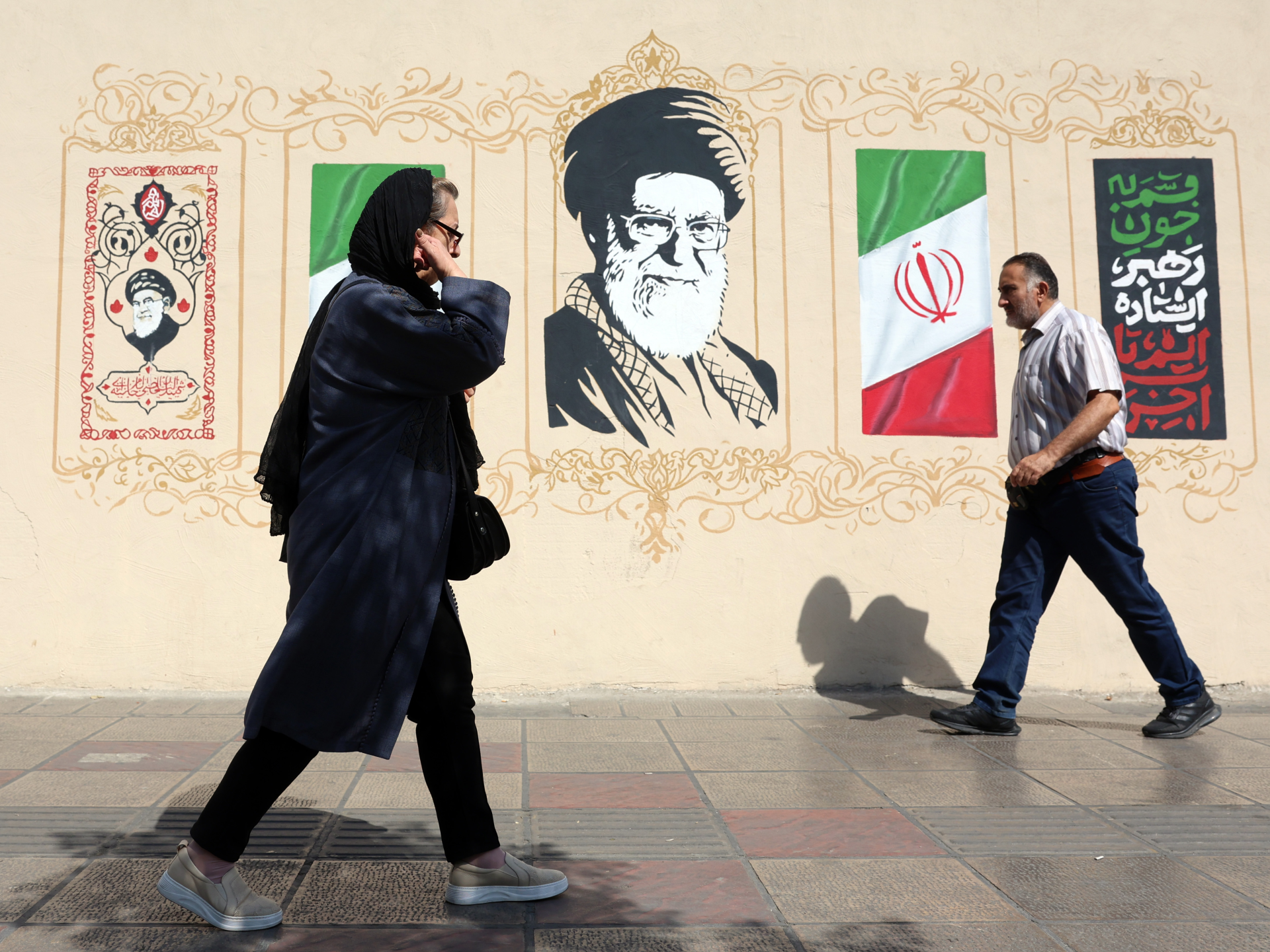
Iranian households are cutting back on food, healthcare, education and other essentials as economic pressures intensify, according to a report by Al Jazeera. Families are increasingly relying on credit and instalment purchases while postponing longer-term decisions such as buying homes or starting families.
The Statistical Center of Iran, as cited by Al Jazeera, reported year-on-year inflation of 89 per cent by late August, with food inflation exceeding 127 per cent. The rial reportedly fell beyond 1.37 million to the US dollar in Tehran’s open market last week before recovering to about 1.31 million on Sunday.
Households interviewed by Al Jazeera described reducing purchases of meat, takeaway food, clothing and appliances, while limiting spending on education and medical care. The report also said the government raised petrol prices last week, a move that could add to inflationary pressure.
Al Jazeera attributed further disruption to US sanctions, regional tensions and a reported maritime blockade that has halted most Iranian oil exports and affected air, overland and rail routes. Claims about the war, blockade and disrupted transport routes have not been independently corroborated in the supplied material.
Economist and market analyst Behnam Samadi said families and businesses were prioritising purchasing power and risk management over long-term planning. He said reduced consumption, lower savings and declining household welfare were sustaining the economy’s reported resilience, while potentially weakening it over time.
The report said younger Iranians were facing further delays to independence, home ownership and family formation after decades of political and economic instability. Iranian authorities have reportedly characterised viral videos showing high food prices as part of an effort to incite unrest.