Iranian economy chokes under US war and sanctions
President Masoud Pezeshkian cites destroyed factories and port blockades as key drivers of soaring costs, while citizens face wage insufficiencies and youth unemployment at 23.4 per cent.
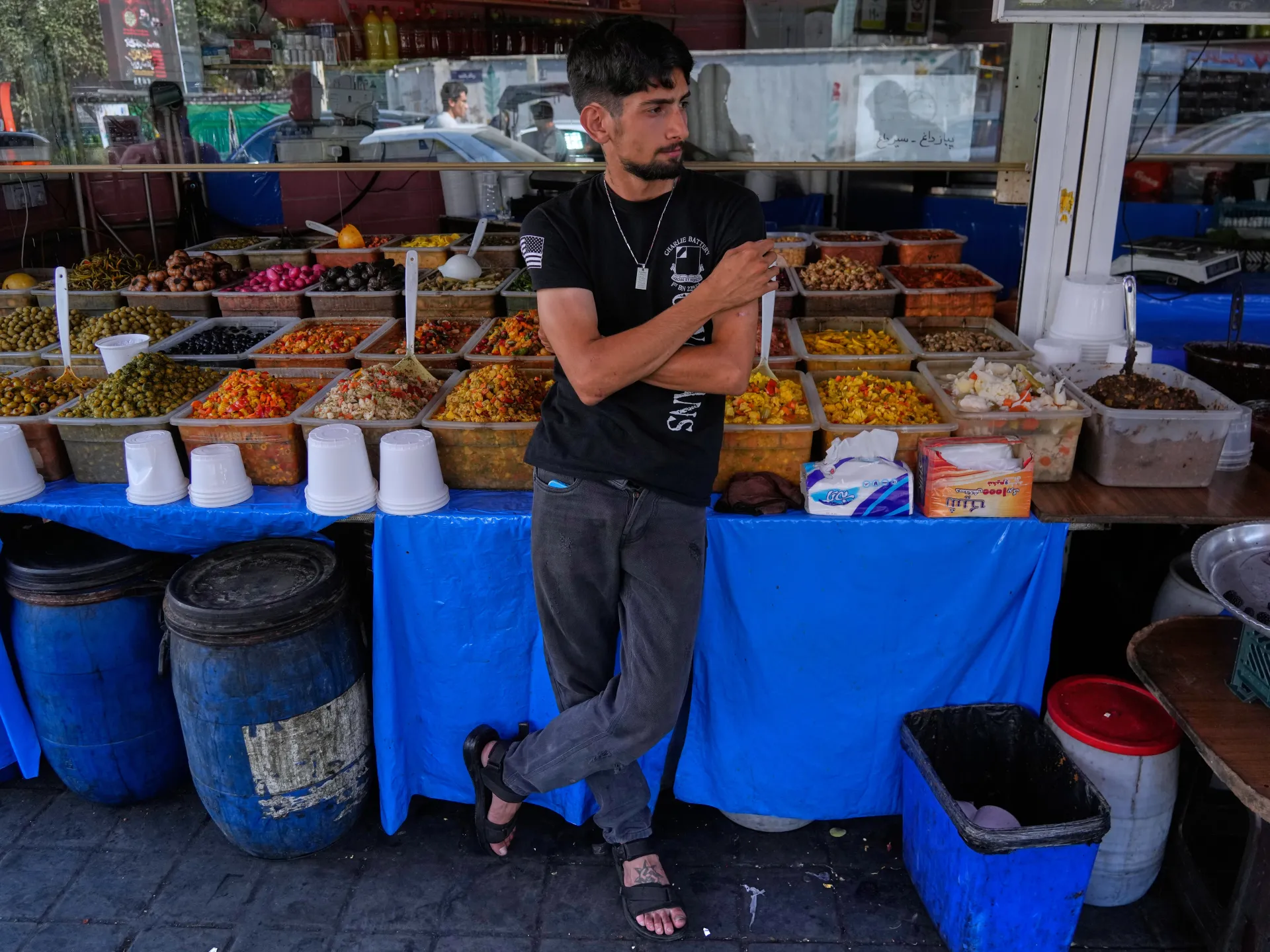
Millions of Iranians are facing severe economic hardship as an ongoing war with the United States and a naval blockade of Iranian ports devastate the national economy. Inflation has reached 88 per cent year-on-year, with food prices soaring by more than 128 per cent, according to the latest report from the Statistical Center of Iran. The crisis has left minimum wages insufficient to cover basic living costs, while youth unemployment has risen to 23.4 per cent.
President Masoud Pezeshkian has identified the naval blockade and the destruction of factories as primary factors driving up government costs and reducing revenue. In a recent statement, the president noted that the inability to sell oil and the damage to industrial infrastructure have severely constrained the state’s fiscal capacity. He emphasised that the government must now spend heavily to keep remaining economic wheels turning, even as tax revenues have plummeted.
The human cost of this contraction is evident in the labour market, where overall participation stands at just 40 per cent. Saeed, a 26-year-old teacher in Tehran, reported that salaries for educators, cashiers, and salespeople often fall below 200 million rials ($107), with some positions paying less than the statutory minimum of 166 million rials ($88). He described a labour environment where employers demand 12-hour workdays without insurance and frequently impose arbitrary pay deductions, knowing workers have limited alternatives.
Food inflation has reached catastrophic levels, with oils and fats rising by 261 per cent, dairy products by 147 per cent, and meat and poultry by 145 per cent. For a household of 3.3 people, the estimated cost of a subsistence package is 430 million rials ($230). Yashar, a grocery shop owner in Lahijan, stated that despite owning property and receiving rent and pension income, his business is too slow to cover basic operational costs, let alone generate savings.
Diplomatic efforts are underway to mitigate the blockade, with talks continuing between Iran, Oman, and other mediators regarding shipping through the Strait of Hormuz. However, no short-term agreement with the United States has been secured. Meanwhile, the administration is considering further petrol price hikes and tighter fuel quotas, a move fraught with political risk given the memory of nationwide protests in January that resulted in thousands of deaths and subsequent internet shutdowns.
As the government weighs fiscal tightening against the threat of civil unrest, citizens like Ladan, a 28-year-old office worker and online seller, find their earnings eroded by currency devaluation. Ladan reported making only 20 million rials ($11) in profit from multiple sales, highlighting the impossibility of affording even the cheapest domestic vehicle, the Pride, which costs up to 10 billion rials ($5,350). The combination of war, sanctions, and internal mismanagement has left many Iranians with limited options for survival.