Iranian crude supply to China nears exhaustion as US blockade tightens
Available Iranian oil volumes have dropped to 83 million barrels, forcing Chinese independent refiners to seek Russian alternatives to maintain throughput.
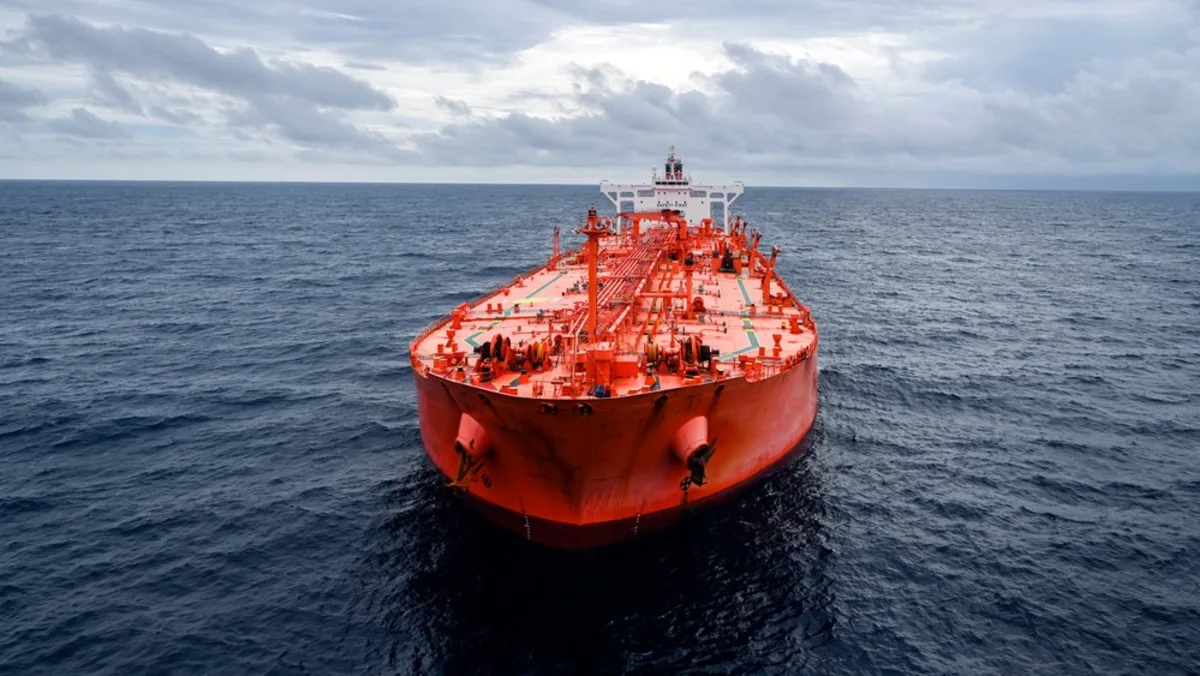
The supply of Iranian crude oil available to Chinese refiners is rapidly depleting following the reinstatement of a United States blockade on Iranian exports. According to data from Kpler, total Iranian crude volume outside the Persian Gulf and Gulf of Oman has fallen to approximately 83 million barrels, down from over 100 million barrels before the blockade was reinstated in mid-July. This reduction follows the collapse of US-Iran talks aimed at reaching a deal.
Muyu Xu, senior crude analyst at Kpler, noted that around half of these 83 million barrels, or about 40 million barrels, are currently in floating storage around Singapore's Eastern Outer Port Limits anchorage. However, market participants indicate that only two cargoes, totalling 4 million barrels, remain unsold out of that offshore volume. This scarcity suggests that buyers could face virtually no new Iranian supplies available for late-September delivery onwards, as no laden Iranian tankers have yet managed to break through the blockade.
The thinning supply has significantly altered pricing dynamics in the market. Iranian Light crude has shifted to a premium of $3.50 over ICE Brent this week, a sharp reversal from a discount of $3.50 just a week earlier. The blockade has effectively stifled exports from Kharg Island, the key terminal handling 90% of Iranian shipments, according to analysts and vessel-tracking data services.
US President Donald Trump has described the measures as the "most crushing economic operation ever taken against any country," warning of "TREMENDOUS Economic Consequences" for nations extending a "lifeline" to Iran. Although the President did not explicitly name any country, China remains Iran's key customer, having purchased more than 90% of all sanctioned Iranian oil in recent years.
Chinese independent refiners, often referred to as "teapots," face a critical shortage as stockpiles in Shandong have dropped to their lowest level this year. This decline follows the biggest estimated monthly draw in a decade. Earlier this month, analysts had expected these refiners to return to buying higher volumes of Iranian crude in August, but the blockade has disrupted those plans.
To avoid cutting throughput in October, Kpler's Xu suggests that Chinese refiners will need to step up purchases of alternative feedstocks. With ESPO supplies sold out weeks ago, buyers are increasingly turning to Russian Urals crude or fuel oil to maintain operations as inventories run thin.