Iranian authorities tighten wartime censorship, creating severe information vacuum
A discriminatory two-tier internet system and new judicial penalties have effectively silenced independent voices inside and outside Iran during the ongoing conflict.
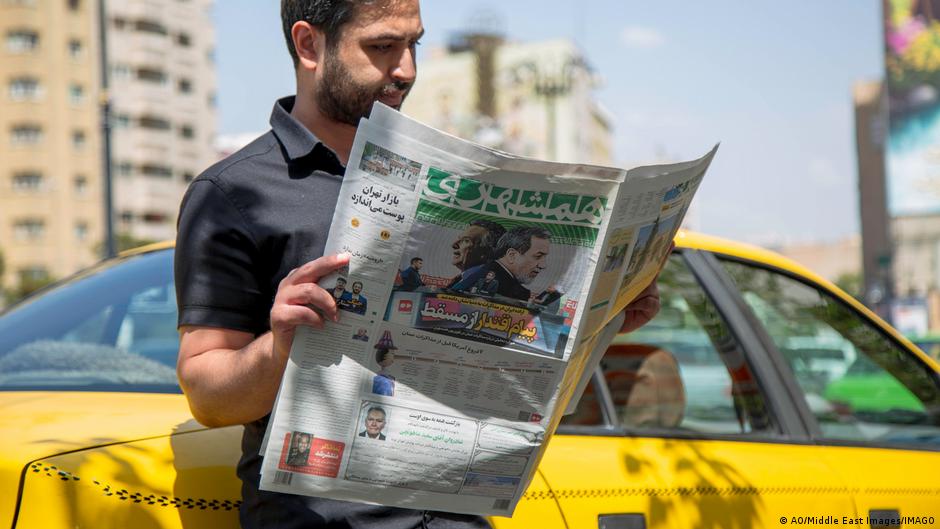
Iranian authorities have significantly escalated repression against journalists and imposed strict internet restrictions during the ongoing war, creating a severe information vacuum. State media are now confined to official narratives, while independent reporting faces extreme dangers, including detention, asset confiscation, and potential death penalties. This crackdown builds on Iran's long-standing history of press suppression, with the current wartime environment pushing reporting conditions to a more dangerous point than previously seen.
Since January 8, Iran has experienced an internet blackout that was reimposed after the war began on February 28, creating a two-tier information system where most of the population has little or no access to the global internet. In practice, this arrangement grants limited access only to state-aligned entities, while exiled journalists and diaspora members face legal threats for supporting opposing forces. A journalist working for a well-known Iranian outlet reported that the publication's website is inaccessible from outside Iran, and only a limited number of outlets close to the security establishment appear to have reliable access to the global internet.
The pressure on journalists has unfolded alongside severe internet restrictions that have sharply limited the flow of information out of Iran. Some journalists have attempted to obtain white SIM cards for freer internet access but refused, viewing the arrangement as discriminatory and politically compromising due to the expectation that users stay within state narrative boundaries. Authorities in Iran have long tried to control the public narrative during moments of crisis, but according to journalists inside the country, wartime conditions have made that grip even tighter.
Independent reporting has become nearly impossible as credentialed reporters covering strike locations have been briefly detained and had their footage deleted. At the same time, state media have continued to frame unauthorized reporting as harmful to national security. Journalists say domestic outlets are effectively confined to the official version of events and avoid publishing sensitive details from the ground, including the public mood and the full human impact of the war.
Iran's judiciary has warned that media-related activity, including sharing images or videos deemed useful to hostile forces, could lead to the death penalty and confiscation of all assets under a law strengthened during the war. Tehran has previously warned Iranians abroad who publicly backed the US and Israel that they could face legal consequences, including property confiscation. That threat was reinforced later in March, when Iran's judiciary said people accused of spying, cooperating with hostile states or helping enemy targeting could face the death penalty.
Media expert Behrouz Turani argues that the regime's media propaganda has failed to convince the public, exposing a growing gap between official narratives and lived reality. As independent reporting becomes harder and internet access remains restricted, the space for verified journalism shrinks. That gives the state more room to promote its own version of events while making it harder for citizens, reporters and the outside world to understand what is really happening on the ground.