Iran weighs US ceasefire terms amid deep suspicion and military escalation
Tehran accuses Washington of violating the April 8 truce with strikes on Hormozgan, while IRGC commanders signal readiness for further conflict despite ongoing negotiations for asset unfreezing and Strait of Hormuz access.
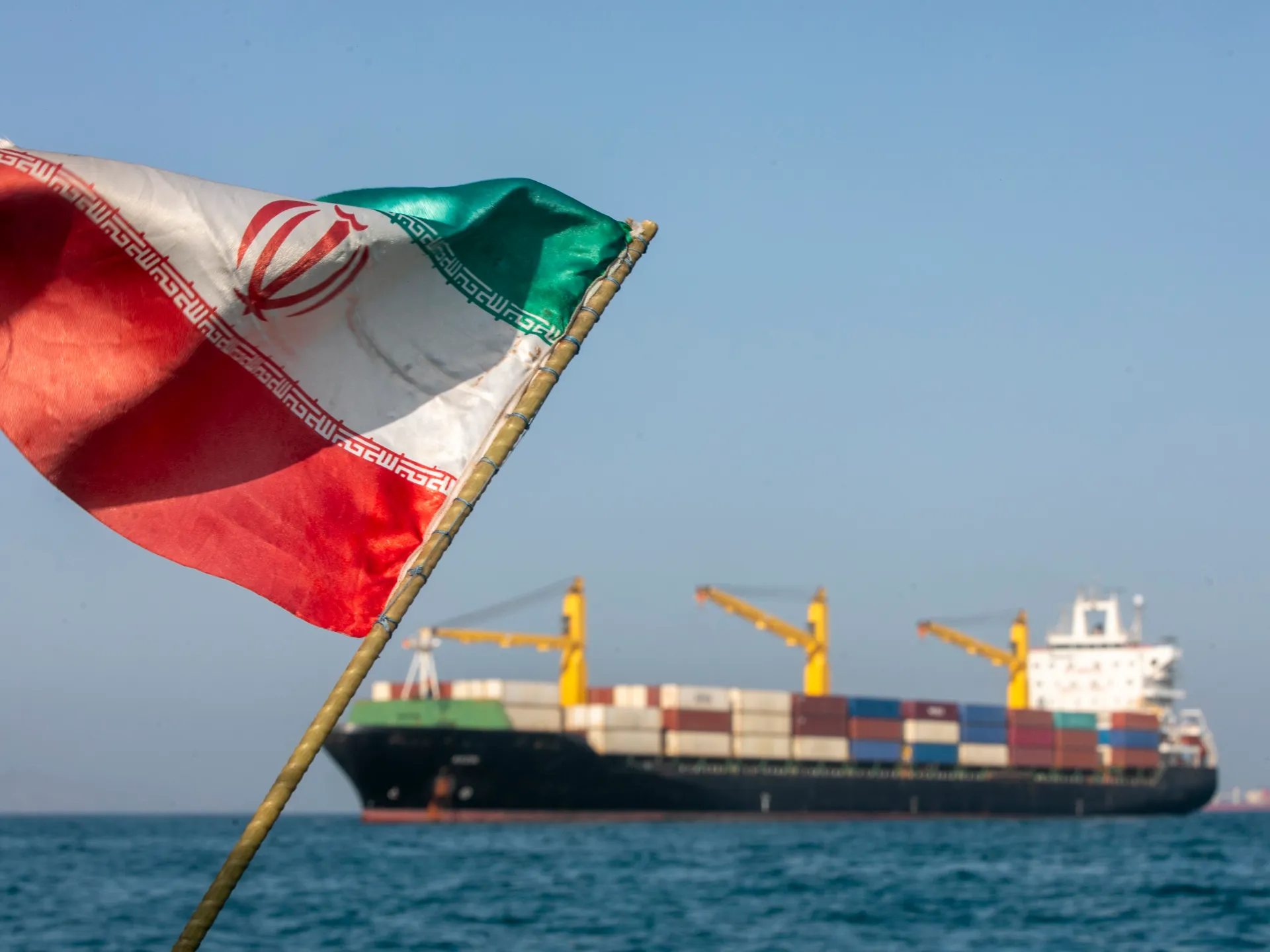
Iranian officials have expressed profound scepticism regarding a potential agreement with the United States to end the nearly three-month-long war, following accusations that Washington breached the April 8 ceasefire. The Ministry of Foreign Affairs condemned recent US strikes on the southern province of Hormozgan as a “blatant violation,” stating that the attacks validated the “deep suspicion” Tehran harbours towards American intentions. Senior lawmaker Abbas Moghtadaei told state television that distrust remains the fundamental principle guiding Iran’s position.
An Iranian delegation led by Parliament Speaker Mohammad Bagher Ghalibaf has returned to Tehran from negotiations in Qatar, where efforts are underway to finalise a Memorandum of Understanding. The proposed deal aims to unfreeze Iranian assets, reopen the Strait of Hormuz, and establish a pathway for future nuclear programme discussions. However, the diplomatic push occurs against a backdrop of renewed military hostility, with the Islamic Revolutionary Guard Corps (IRGC) reporting that Iranian forces shot down a US-made RQ-4 drone using a domestic air defence system.
The IRGC stated that armed forces fired back in response to US operations, which Washington described as defensive measures targeting missile launch sites and boats attempting to lay sea mines. State television aired footage of the downed drone’s remains, while Iranian commanders asserted their right to retaliate. The escalation coincides with reports of an explosion and fuel leak on a tanker 60 nautical miles east of Muscat, though Iranian officials have not commented on the maritime incident.
Internal political divisions are sharp, with hardline factions and military commanders insisting that any agreement must not amount to surrender. President Masoud Pezeshkian has sought to reassure the international community that Iran does not seek nuclear weapons or regional insecurity. Conversely, influential figures such as IRGC aerospace commander Majid Mousavi and Supreme National Security Council secretary Mohammad Bagher Zolghadr have pledged no retreat, with Mousavi echoing the late Ayatollah Ali Khamenei’s view that negotiating with the enemy is “pure loss.”
Analysts suggest the emerging memorandum is more likely a temporary management mechanism than a permanent peace settlement. Nicole Grajewski of Sciences Po noted that Tehran must frame the deal as a stabilisation measure that preserves sovereign red lines, including enrichment capabilities and regional deterrence. With Supreme Leader Ayatollah Ali Khamenei remaining in hiding and US officials citing this as a delay to talks, the realistic outcome appears to be an unstable interim arrangement rather than a comprehensive resolution.