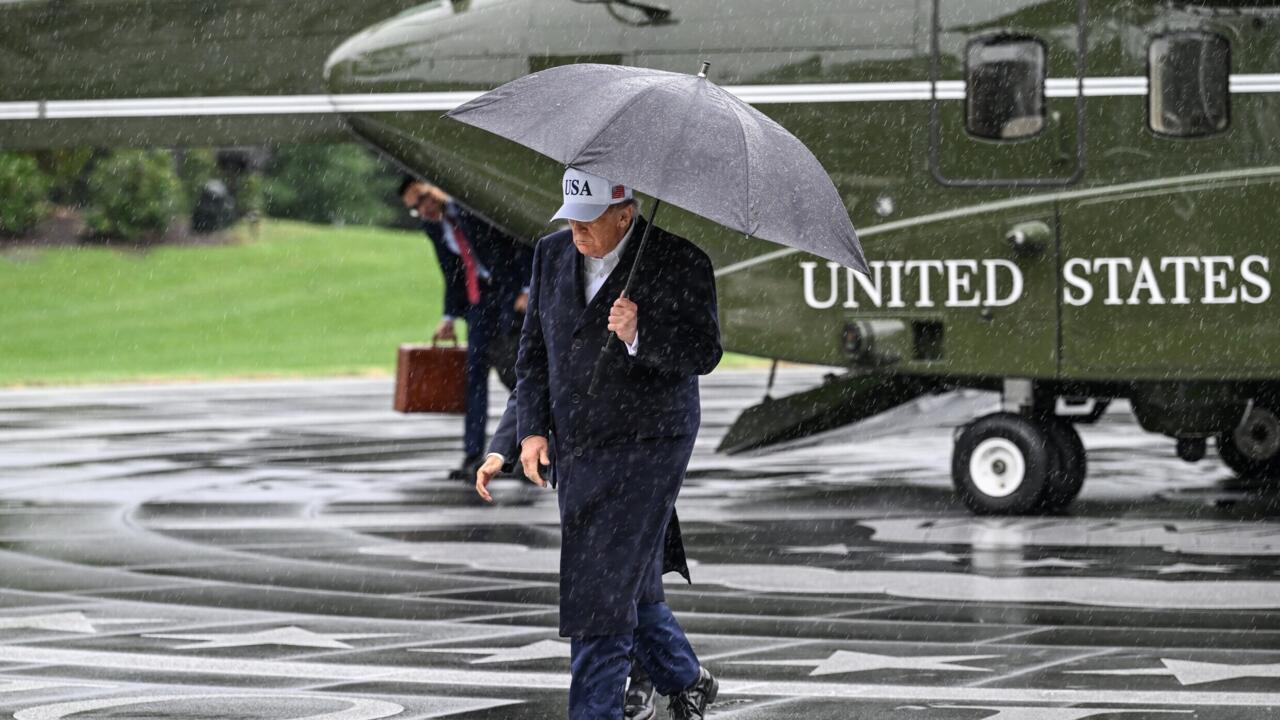
Iran warns patience exhausted as ceasefire with US and Israel frays
Diplomatic tensions rise as Iran declares its patience with Israel and the United States has reached its limit, jeopardising a fragile truce established in early April.
Iran has formally declared that its patience with Israel and the United States has reached its limit, citing continuous violations of a ceasefire arrangement. The statement, reported by Al Jazeera Global News on 7 June 2026, marks a significant escalation in diplomatic rhetoric as the region grapples with the aftermath of direct military exchanges.
The warning comes in the wake of the first direct bombardment between Iran and Israel since April 2026. This recent spike in hostilities has placed the ceasefire, which was established in early April to stabilise the region, in serious jeopardy. While the specific nature of the violations attributed to the United States was not detailed in the initial reports, Tehran’s position is clear: the current trajectory of events is unsustainable.
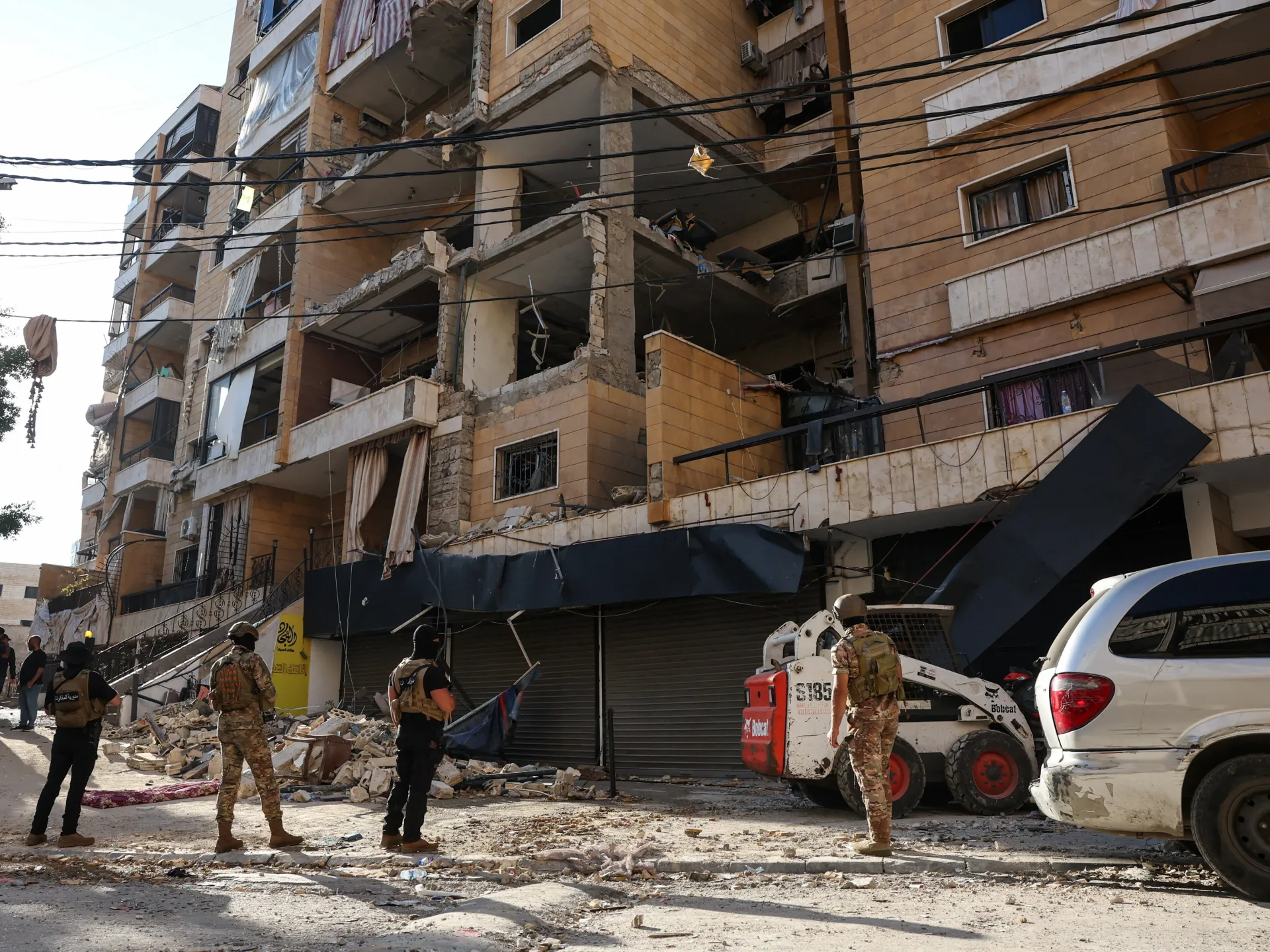
The immediate trigger for the renewed violence was a series of Israeli military operations in Lebanon. Prime Minister Benjamin Netanyahu and Defence Minister Israel Katz described these operations as a necessary response to cross-border fire from Hezbollah. During these operations, Israeli forces struck what they identified as a militant command centre in the Dahiyeh district, a known stronghold of the Iran-backed group.
In retaliation, Hezbollah confirmed launching a drone at the Dovev Barracks. This exchange of fire escalated rapidly, leading Iran to fire missiles at Israel. The direct engagement between the two nations has drawn the United States into the diplomatic fray, with Tehran now holding both Jerusalem and Washington accountable for the breakdown of the truce.
The volatility of the situation carries broader implications for global markets and trade relations. As major powers navigate complex diplomatic agendas, the potential collapse of the US-Iran ceasefire raises concerns about further regional instability. The current standoff underscores the fragility of the security architecture in the Middle East, with the ceasefire’s future remaining uncertain as tensions continue to mount.