Iran warns of ‘many more surprises’ as Trump sets deadline for nuclear deal
Tehran issues warning of further military surprises following threats of US action, amid concurrent sanctions on Cuba and regional tensions.
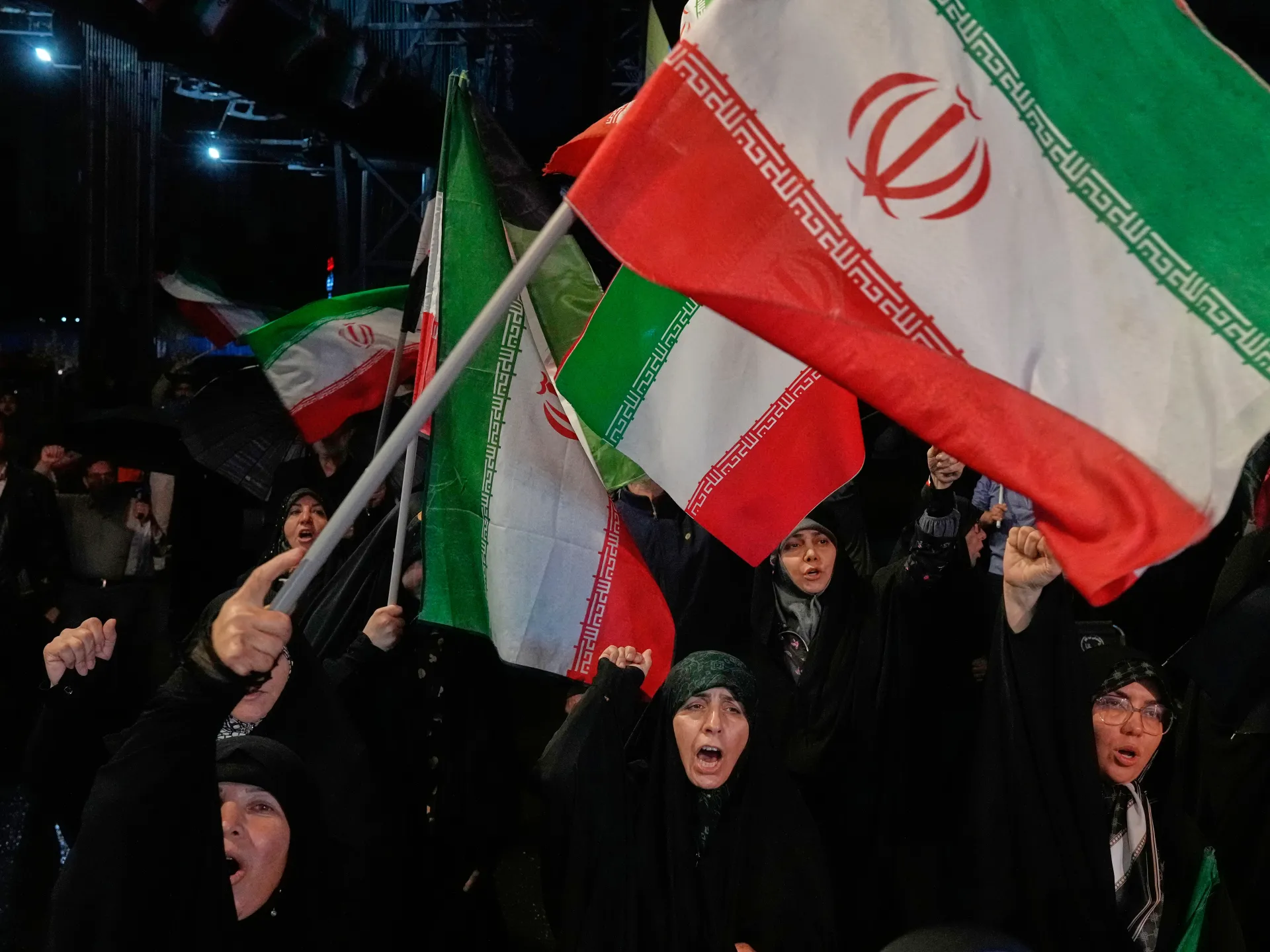
Iran has issued a stark warning that it will deploy “many more surprises” should military conflict with the United States resume, escalating tensions following a direct ultimatum from Washington. The statement comes in response to US President Donald Trump’s threat of military action and a strict deadline of two to three days for Tehran to strike a new agreement.
The ultimatum places significant pressure on ongoing diplomatic efforts to resolve the standoff. While the specific terms of the proposed deal remain undefined in public reports, the narrow window for negotiation underscores the administration’s hardline stance. Iranian officials have framed their warning as a deterrent, suggesting that any resumption of hostilities would be met with further unexpected measures.
In a contrasting signal from the US administration, Vice President JD Vance has indicated that progress is being made in the ongoing talks. This assertion suggests that despite the public threats and tight deadlines, diplomatic channels remain active. The juxtaposition of military threats and diplomatic optimism highlights the complex nature of the current negotiations.
The geopolitical backdrop to these developments includes heightened instability in the Caribbean, where the United States has simultaneously engaged with Cuba. The US Treasury has recently imposed sanctions on Cuba’s intelligence agency, adding to the pressure on Havana. This action follows reports that Cuba has acquired over 300 military drones from Russia and Iran, allegations cited by unnamed US intelligence officials via the news site Axios.
Regional dynamics have further intensified with warnings from Cuban President Diaz-Canel, who has cautioned of a “bloodbath” in the event of a US attack. Meanwhile, a merchant ship carrying 1,700 tons of humanitarian aid from Mexico recently arrived in Cuba, underscoring the complex interplay of aid, sanctions, and military posturing in the region. The convergence of these events marks a critical period for US foreign policy across multiple fronts.