Iran warns Israeli Lebanon strikes threaten US ceasefire deal
Oil prices surge to $97.44 a barrel amid escalating tensions in the Strait of Hormuz and threats to activate new military fronts.
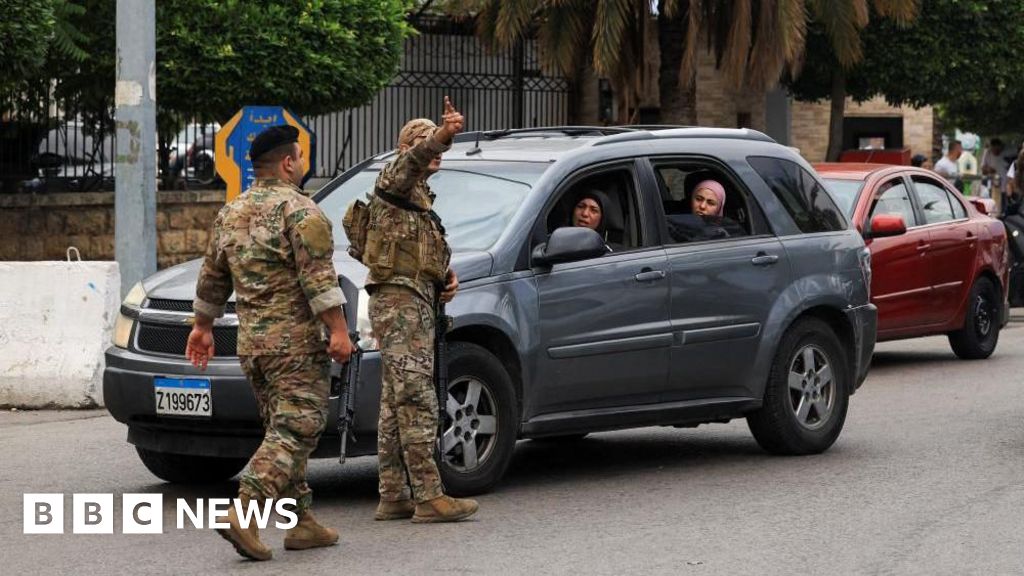
Iran has issued a stark warning that ongoing Israeli military operations in Lebanon jeopardise its broader ceasefire agreement with the United States. Iranian Foreign Minister Abbas Araghchi stated that the truce is unequivocally a ceasefire on all fronts, including Lebanon, and that any violation on one front constitutes a violation of the ceasefire on all fronts.
The diplomatic warning follows an order from Israeli Prime Minister Benjamin Netanyahu to strike "terror targets" in the southern suburbs of Beirut, known as Dahieh. The Israeli military action was a response to rocket and drone attacks by Hezbollah on northern Israel, marking further breaches of a ceasefire announced in April that has failed to halt hostilities.
Iran’s semi-official Tasnim news agency, affiliated with the Islamic Revolutionary Guard Corps, reported that Tehran has suspended indirect negotiations with the United States. The agency added that Iran and its allies could activate other fronts, including the Bab al-Mandab Strait at the entrance of the Red Sea. While Iranian authorities have not publicly confirmed the suspension, state television indicated that the probability of the ceasefire with the US ending is high if Israel does not cease its offensive in Lebanon.
Tensions have also escalated in the Strait of Hormuz, where the US and Iran exchanged strikes over the weekend. The United States claimed it hit Iranian military sites, while Tehran stated it targeted a US base in Kuwait. The Strait of Hormuz has been effectively closed for three months, disrupting around a fifth of the world’s oil and liquefied natural gas supplies and significantly impacting global energy markets.
The geopolitical instability has driven oil prices sharply higher. Brent crude, the global benchmark, jumped almost $5 a barrel to $97.44, while West Texas Intermediate rose 8 per cent to $94 a barrel. This volatility follows a three-month conflict that began with strikes against Iran on 28 February. Despite US President Donald Trump’s recent suggestions that Washington and Tehran are close to a permanent deal, no formal agreement has been reached.
In an attempt to stabilise the region, US Secretary of State Marco Rubio proposed a plan for "gradual de-escalation" in Lebanon to Netanyahu and Lebanese President Joseph Aoun. The White House has reportedly pressured Israel to limit its military action in Beirut to avoid jeopardising efforts to strike a broader deal to end the war between the US, Israel, and Iran. The Israeli military has struck Beirut twice since the ceasefire between Israel and Lebanon came into force on 16 April.
The truce between Israel and Lebanon officially came into force on 8 April, though fighting has persisted. The United States has attempted to separate events in Lebanon from the negotiations with Iran, which has long provided Hezbollah with significant ideological, military, and financial backing. Tehran insists that any agreement must include peace in Lebanon, complicating diplomatic efforts to secure a lasting resolution.