Iran warns against unauthorized transits through new Strait of Hormuz route
The declaration follows recent strikes on vessels and US airstrikes, as diplomatic efforts continue to address the rift between the US and its allies.
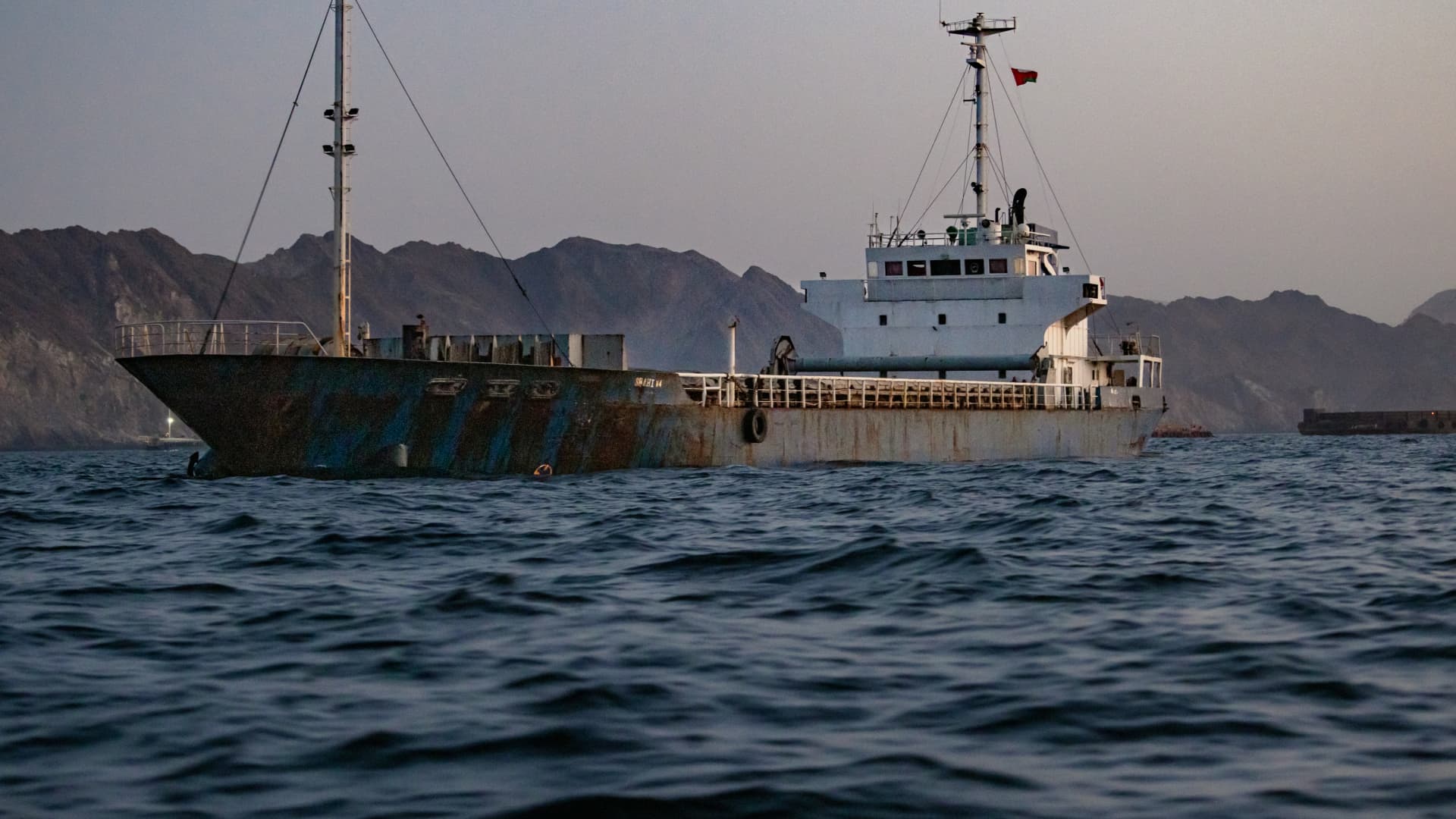
Iran has issued a stern warning against vessels transiting a newly declared shipping route in the Strait of Hormuz without its explicit approval, labelling the path 'unacceptable and dangerous.' This move reinforces Tehran’s determination to maintain strict control over the strategic waterway and resist any transit that bypasses its authorisation. The declaration follows a period of heightened maritime tension, including recent Iranian strikes on vessels attempting to pass through the strait and US airstrikes in southern Iran. While US Central Command has denied reports that the waterway is completely closed, noting that commercial ships continue to transit, the geopolitical landscape remains volatile. Concurrently, diplomatic efforts are underway to mitigate tensions, including NATO Secretary General Mark Rutte’s visit to the White House to address the rift between the US and its allies regarding the escalating situation in Iran.
The statement underscores Tehran's resolve to retain control over the Strait of Hormuz and to resist transits that bypass its authorization. This warning comes as the region navigates a complex security environment, with Iran's military command previously announcing it would target any ship transiting the waterway. The declaration of the new route as 'unacceptable and dangerous' serves as a direct challenge to any attempts to circumvent Iranian oversight of the critical chokepoint.
Recent events have significantly escalated tensions in the region. Iranian strikes on two vessels attempting to pass through the Strait of Hormuz were followed by US airstrikes in southern Iran. In response, Iran's military command declared the waterway closed to all traffic, a claim that US Central Command has since denied. The US military stated that commercial ships continue to transit the strait, indicating that while tensions are high, the waterway has not been completely shut down.
Diplomatic efforts are currently underway to address the growing rift between the United States and its allies regarding the situation in Iran. NATO Secretary General Mark Rutte has visited the White House to meet with US President Donald Trump ahead of the annual NATO summit scheduled for next month. The primary focus of this engagement is to reduce diplomatic tensions and coordinate a unified approach to the escalating crisis in the Middle East.
The broader market context includes Brent crude falling below pre-conflict levels as Gulf shipping normalises. This price movement occurs against a backdrop of significant global financial activity, including the recent debut of the SpaceX initial public offering, which valued the company at approximately $1.77 trillion and raised roughly $75 billion. Additionally, diplomatic summits involving US and Chinese leaders have addressed trade, artificial intelligence, and security concerns in the Strait of Hormuz, further shaping the macroeconomic environment.
As the situation evolves, the exact nature of the 'new route' declared unacceptable by Iran remains unclear. It is not specified whether this is a formal alternative channel or a specific corridor used by vessels bypassing Iranian oversight. Independent verification of whether this is a newly established physical route or a newly enforced policy on an existing path is not provided in the source material. However, the warning highlights the ongoing challenges to maritime security and the strategic importance of the Strait of Hormuz in global trade and energy markets.
The incident has drawn attention from international media and financial institutions. Fox News and France 24 have reported on the escalating tensions, while the Khatam al-Anbiya command, associated with Iran's military operations, has been implicated in the recent strikes. The situation continues to develop, with all parties closely monitoring the implications for global shipping and energy supplies.