Iran war tensions escalate on day 63 as Washington signals possible resumption of hostilities
Iran's President condemns the naval siege as an intolerable extension of operations as air defences activate in Tehran and Israeli strikes continue in Lebanon
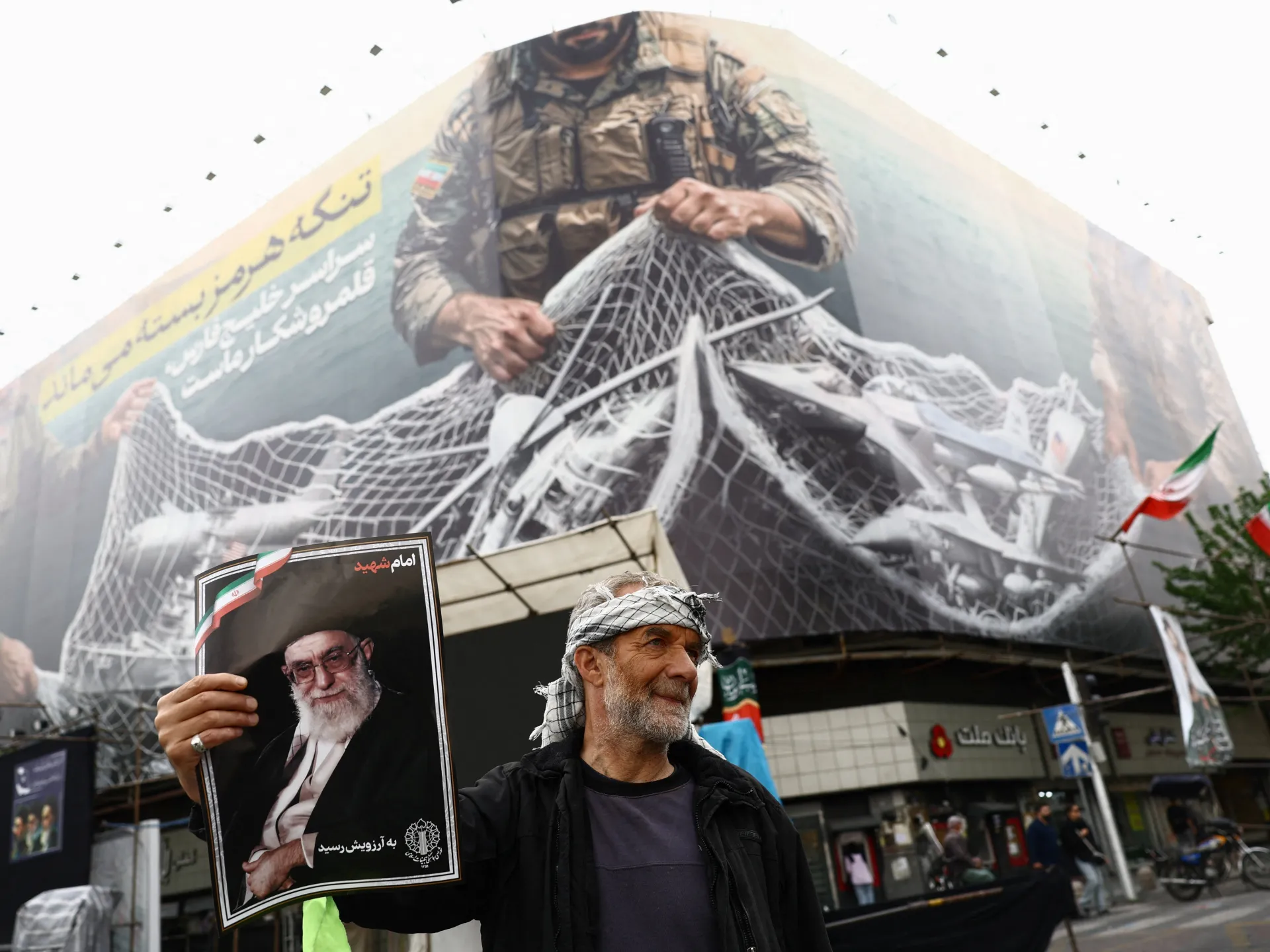
On 1 May 2026, marking the 63rd day of the ongoing conflict, US President Donald Trump indicated that hostilities with Iran might resume. In a statement addressing the stalemate, the President suggested Washington "might need" to restart the war, citing Iranian leaders' apparent desire to negotiate a deal. This assertion of potential renewed military action stands in contrast to the current operational status of the conflict, which remains a subject of intense diplomatic and strategic scrutiny.
While a senior US administration official declared that hostilities have technically terminated for War Powers Resolution purposes following a two-week ceasefire extended from 7 April, active tensions persist across the region. The administration's legal framing allows for the avoidance of further congressional approval, yet this technical cessation does not reflect the reality on the ground where air defences were activated in Tehran to counter small aircraft and drones.
Iran's President Masoud Pezeshkian has strongly condemned the US naval siege of Iranian ports, describing it as an "intolerable" extension of military operations. This diplomatic friction is compounded by ongoing violence in neighbouring territories, where Israeli strikes in southern Lebanon have killed at least 15 people, including nine individuals in a single incident involving two children and five women, nearly two weeks into a ceasefire between Israel and Hezbollah.
Concerns over the conduct of warfare have also drawn attention to civilian casualties. US Defence Secretary Pete Hegseth addressed these issues during testimony to senators, confirming that the Pentagon possesses the necessary resources to limit harm to civilians. He further clarified that human oversight remains in place when artificial intelligence is utilised in military decision-making, specifically in response to a strike on a primary school that resulted in approximately 170 deaths. Meanwhile, reports indicate at least 1,701 civilians have been killed in the war, including 254 children.
The geopolitical instability has triggered significant regional policy shifts and economic repercussions. The United Arab Emirates has banned its citizens from travelling to Iran, Lebanon, and Iraq, urging those already in these nations to return home immediately. Concurrently, the disruption to global energy markets has driven oil prices to four-year highs, with Brent crude spiking to $126.41 and West Texas Intermediate reaching $110.31.
Further complicating the strategic landscape, President Trump announced he may withdraw US troops from Italy and Spain due to their opposition to the Iran war, following a similar proposal regarding Germany. As the situation evolves, the disconnect between the administration's legal definitions of the conflict's end and the continued military and diplomatic pressures suggests a fragile and volatile environment for the foreseeable future.