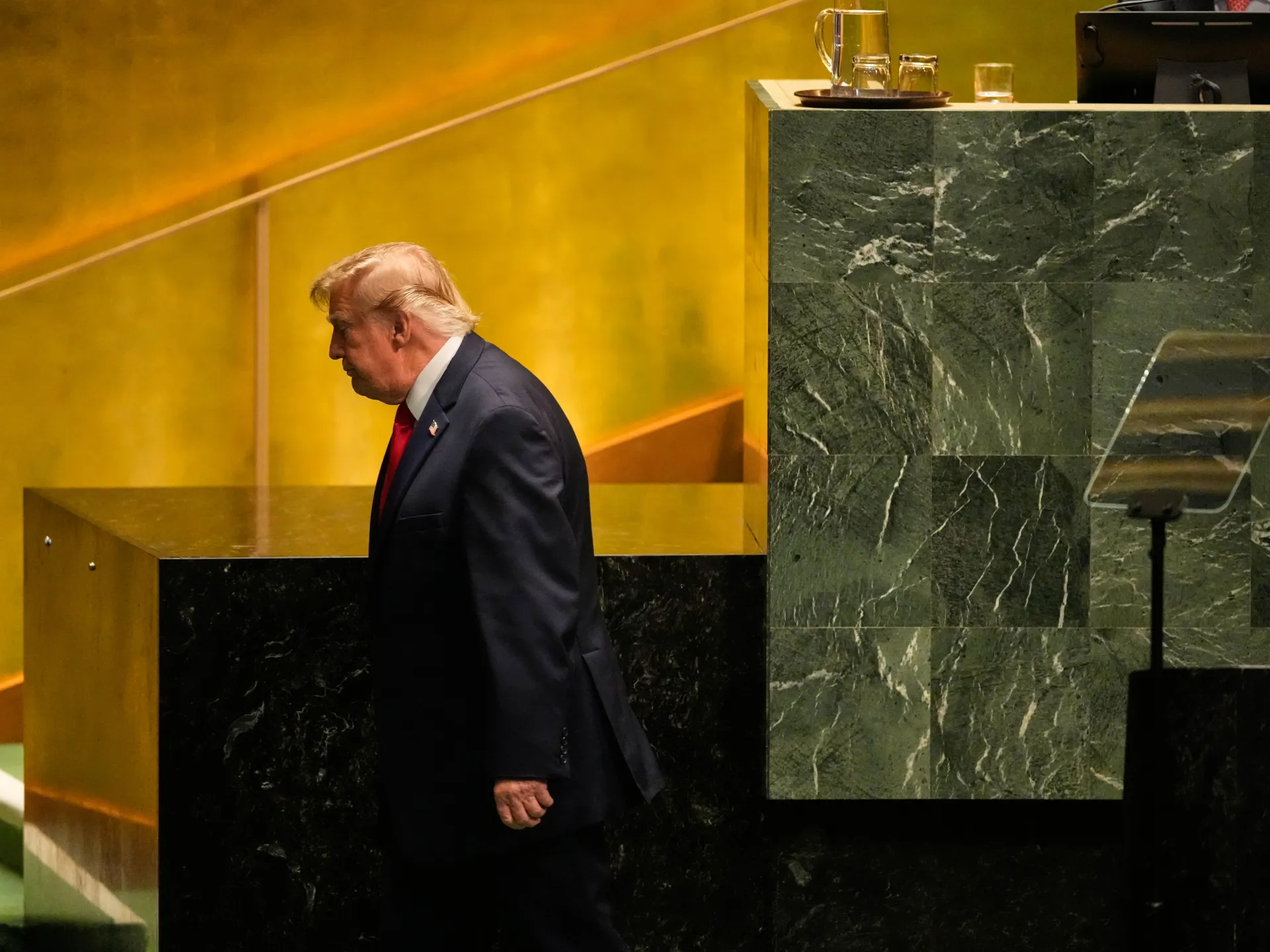
Iran war costs US $38bn as economic and political pressure builds
The Congressional Budget Office estimates the conflict could cost another $3bn a month, while fuel prices and depleted munitions stockpiles add to pressure on the Trump administration.
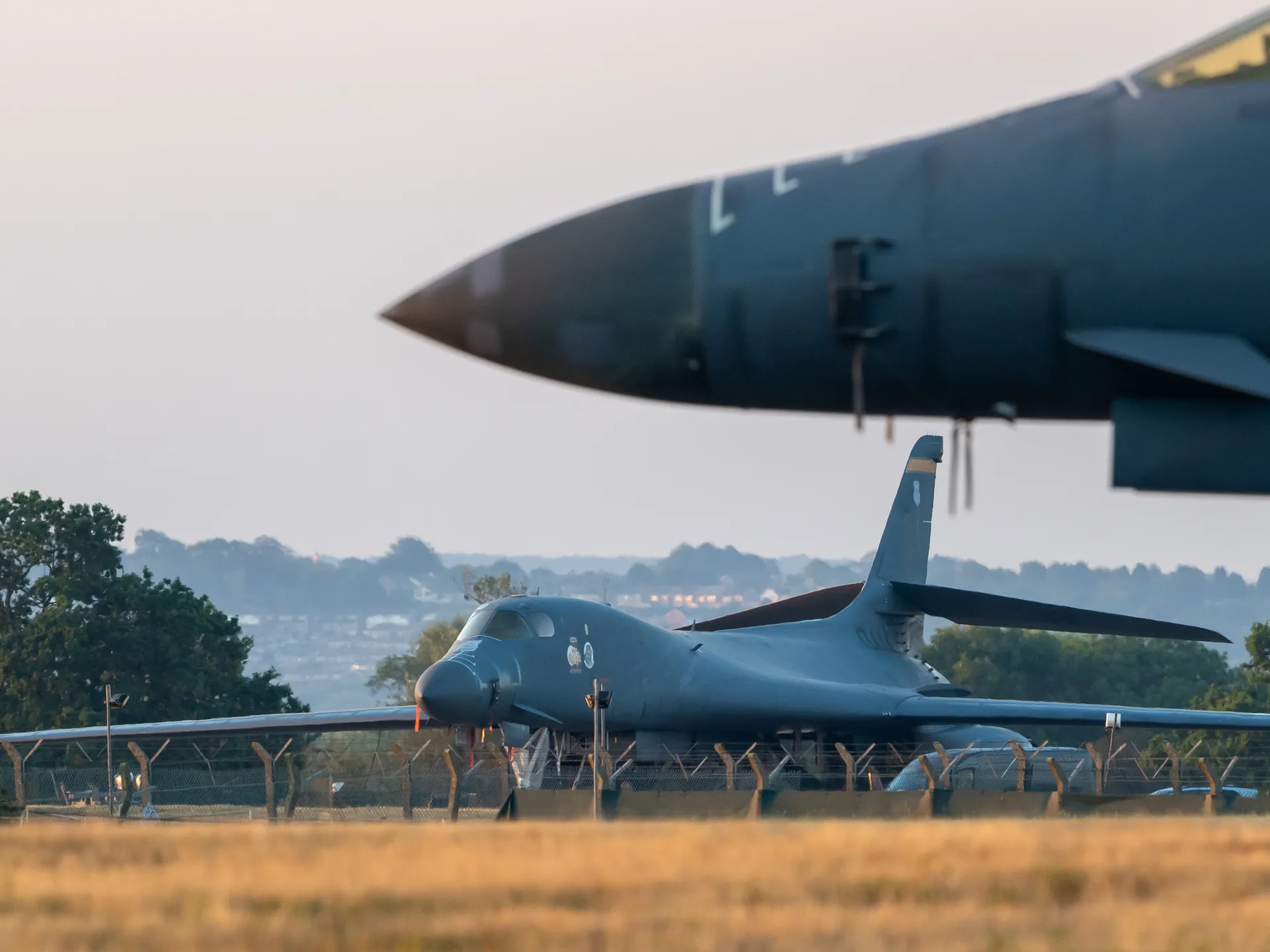
The United States war on Iran has cost an estimated US$38bn so far and could add a further US$3bn a month if it continues, according to the Congressional Budget Office.
The CBO said the conflict was contributing to inflation, higher fuel prices and pressure on the US budget. It estimated inflation could rise by 0.5 percentage points in the first three months of 2027. The estimate excludes borrowing costs, recent US strikes on vessels in the Strait of Hormuz and Iranian attacks on US military installations.
About US$25bn in weapons has reportedly been expended, with the CBO estimating that restoring stockpiles could take five years. The White House and Pentagon disputed the CBO’s findings on munitions shortages. A separate Pentagon inspector-general report estimated the war cost US$33bn between 28 February and 30 June, including US$22bn in expended munitions.
That report also recorded at least 18 US military deaths and US$184m in damage to Gulf facilities. The conflict has contributed to higher household fuel and food costs, with the American Automobile Association reporting a record average US diesel price of US$6.27 a gallon on Tuesday.
Political opposition is growing ahead of the November midterm elections. Seven House Republicans joined Democrats in supporting a resolution seeking to end the conflict, although it is expected to fail in the Republican-controlled Senate. A Reuters/Ipsos poll found that 31 per cent of Americans supported military action against Iran, while Democrats led Republicans 44 per cent to 37 per cent on congressional vote preference.