Iran War: 100 Days On, A Costly Stalemate
Despite a fragile ceasefire, fighting continues with Iran proving more resilient than anticipated, while nuclear negotiations stall and public disapproval mounts.
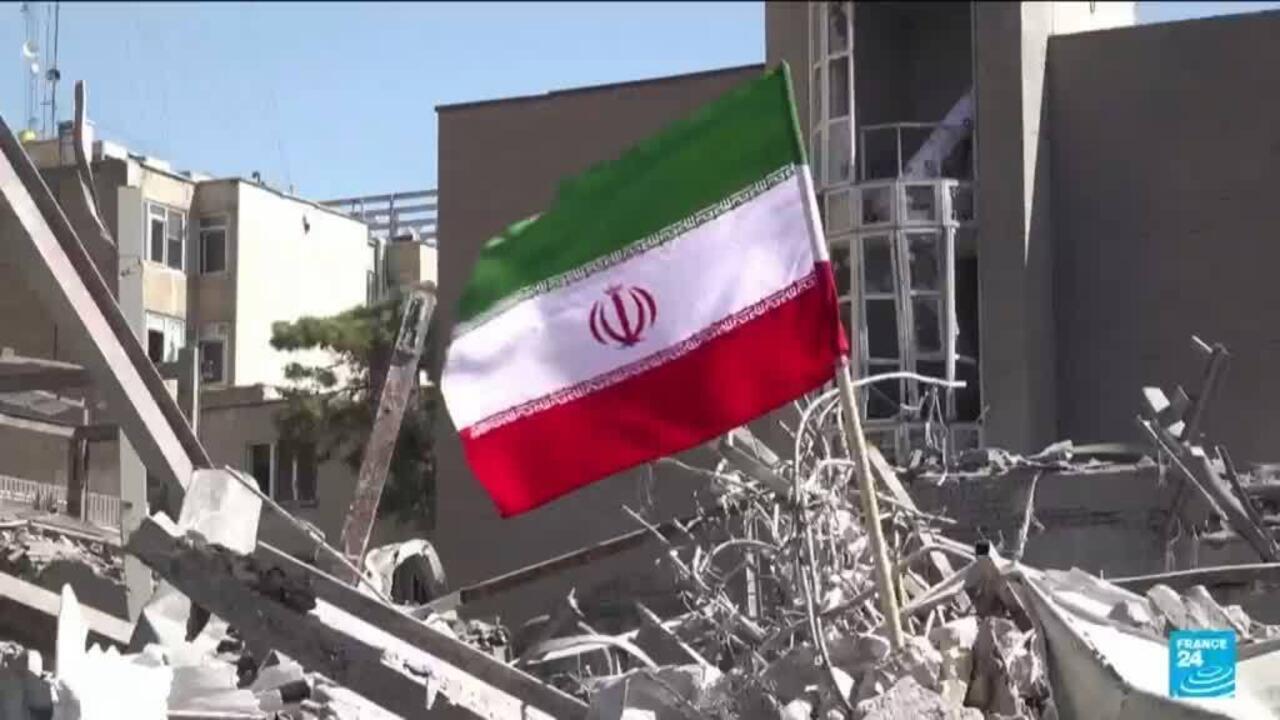
One hundred days have passed since US President Donald Trump launched Operation Epic Fury against Iran, marking a conflict that has persisted significantly longer than anticipated by US leadership. The military campaign has resulted in more than 7,000 deaths and mass displacement, with fighting continuing despite the declaration of a fragile ceasefire. Iran has demonstrated greater resilience than expected, complicating efforts to bring the hostilities to a definitive close.
The geopolitical and economic stakes of the war have escalated sharply, particularly regarding global energy supplies. The near-closure of the Strait of Hormuz has triggered severe economic disruption and driven oil prices to soaring levels, creating a ripple effect across international markets. This strategic chokepoint remains a critical flashpoint, underscoring the difficulty of containing the conflict within regional boundaries.
Domestically, Iran is grappling with a deepening economic crisis as the war drags on. Inflation has reached nearly 84 per cent year-on-year during the second month of the Persian calendar year, which concluded on 21 May. Food inflation has been even more acute, standing at 130 per cent, with prices for essential staples surging dramatically. Specific food price increases include vegetable oil, which has risen by 431 per cent, eggs by 342 per cent, chicken by 287 per cent, and imported rice by 222 per cent.
The financial strain on the Iranian population is further evidenced by the performance of the national currency. The Iranian rial has traded at approximately 1.77 million per US dollar in Tehran’s open market, reflecting the severe economic pressure exerted by the ongoing hostilities. These economic indicators highlight the tangible costs borne by civilians as the military stalemate continues.
On the diplomatic front, nuclear negotiations have stalled, leaving the long-term resolution of the conflict uncertain. Meanwhile, growing public disapproval within the United States is increasing political pressure on President Trump. The combination of a protracted war, high casualty figures, and economic instability has created a challenging political environment for the US administration as it navigates this costly stalemate.