Iran urges political compromise as Iraq faces September disarmament deadline
Prime Minister Ali al-Zaidi moves to draft legislation restricting arms to state control, while powerful Shia factions resist, raising fears of renewed conflict.
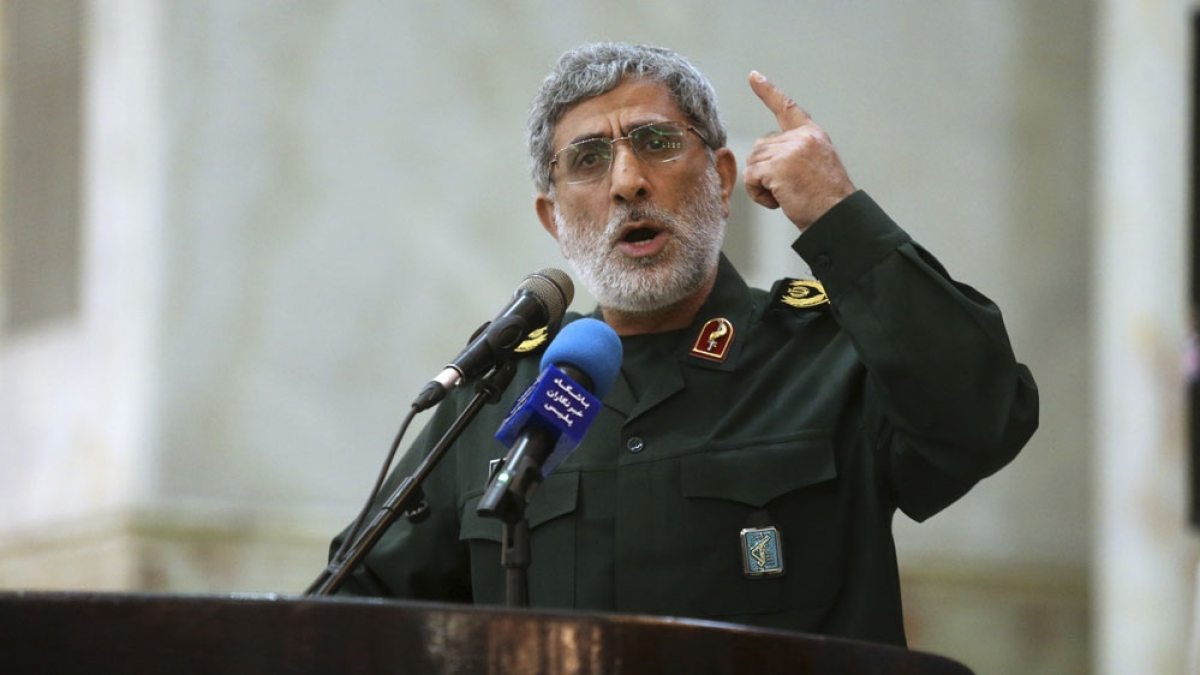
Esmail Qaani, commander of the Islamic Revolutionary Guard Corps Quds Force, conducted an unannounced visit to Baghdad earlier this week, holding behind-the-scenes discussions with Iraqi political and security leaders as well as commanders of Shia paramilitaries. According to a source within the Coordination Framework, an umbrella for Shia Iraqi parties, the meetings focused on the Iraqi government’s mandate to disarm armed groups and consolidate weapons under state control by the 30 September deadline.
Tehran conveyed a message against the immediate handover of weapons, citing fears that such a move could trigger a new round of war. An Iraqi source indicated that Iran urged a political compromise rather than confrontation between the government and armed factions that refuse to surrender their arms. This diplomatic positioning comes as Prime Minister Ali al-Zaidi navigates a mounting security crisis while attempting to implement a 2024 agreement to conclude the US-led coalition’s combat presence in Iraq.
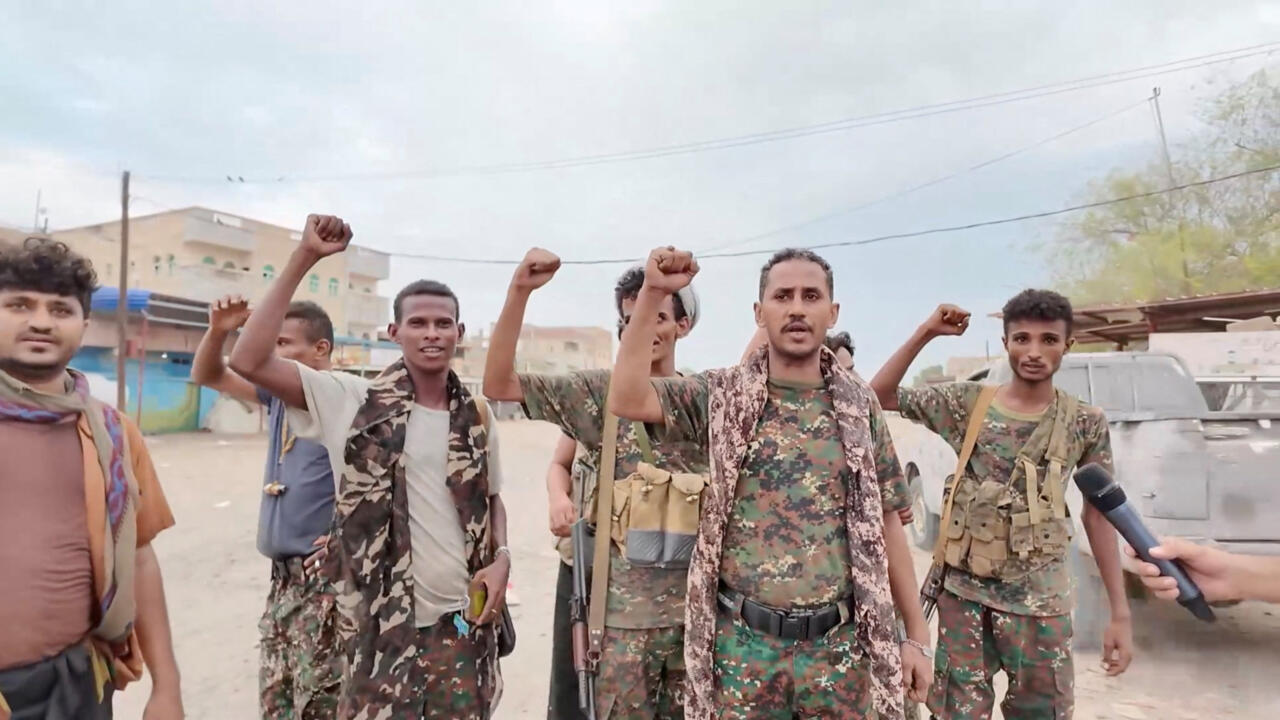
The political landscape in Baghdad remains fractured over the disarmament plan. Iraqi political parties have expressed opposition to the use of force to implement the government’s strategy. Meanwhile, powerful Shia paramilitaries, including Kataib Hezbollah and Harakat al-Nujaba, have maintained a defiant stance, threatening to derail the government’s efforts to establish a state monopoly on arms.
In response to the growing tension, Prime Minister al-Zaidi directed the parliament’s Security and Defence Committee to prepare a draft law restricting weapons to the state in accordance with constitutional contexts. He warned that unregulated weapons pose the most dangerous threat to the state, undermining the authority of the law and the standing of security institutions. The State Administration Coalition has also hinted at applying the Anti-Terrorism Law to armed activities after the deadline expires, describing entities operating outside official institutions as outlaws.
Efforts to de-escalate the situation are underway, with Ammar al-Hakim, head of the Hikma Movement, leading initiatives to persuade factions to comply with the disarmament deadline. However, experts warn that retaining arsenals could transform the issue into a broader regional security crisis. Ghazi Faisal, head of the Iraqi Center for Strategic Studies, cautioned that the use of Iraqi territory as a platform to target neighbouring countries may compel those nations to build joint security arrangements to confront the threat.
The urgency of the situation was underscored by recent security escalations, including joint US-Saudi attacks on 28 July against Iran-aligned groups. These strikes, which targeted Popular Mobilisation Forces sites, prompted threats of retaliation from Iraq-aligned factions before diplomatic efforts helped contain the tension. As the September deadline approaches, the balance between state sovereignty and factional power remains precarious.