Iran turns to northern trade routes as southern shipping is disrupted
Tehran is seeking to move more goods through northern ports, railways and land corridors, but the routes cannot replace maritime trade at scale.
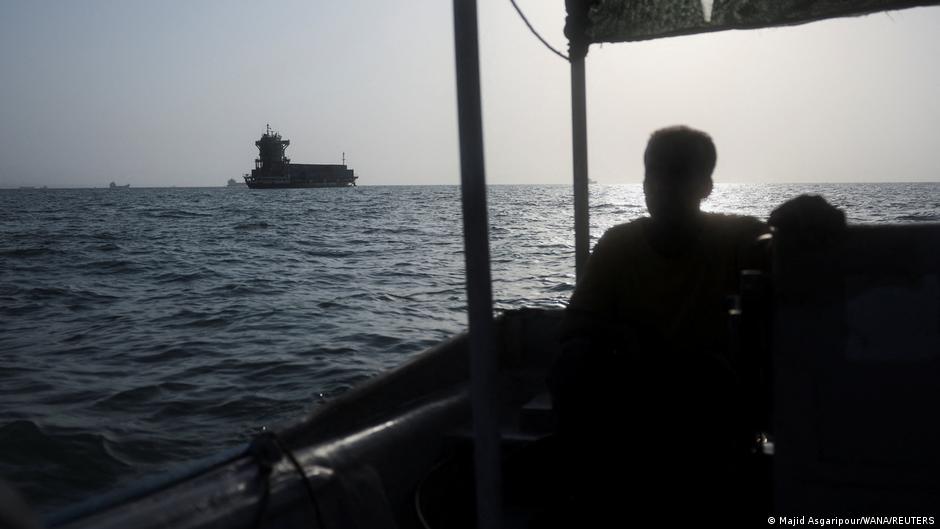
Iran is redirecting some trade towards northern ports and overland corridors as a reported US-led maritime blockade disrupts shipping through its southern ports. Economy Minister Ali Madanizadeh has called for greater use of the country’s northern borders and a significant shift in imports and exports away from southern maritime routes.
Potential alternatives include the Caspian Sea, Turkey, Turkmenistan, Pakistan, Iraq and the International North-South Transport Corridor. Deutsche Welle reported that Iranian authorities estimate northern ports have more than 30 million tonnes of nominal annual capacity, with less than one-third in use.
Existing infrastructure remains uneven. The Astara freight terminal, part of the route towards Azerbaijan and Russia, is designed to handle 3.5 to 4 million tonnes annually but reportedly processed about 345,000 tonnes in the first five months of 2026. The unfinished Rasht-Astara railway is another major bottleneck.
The routes are better suited to grain, food, medicines, industrial inputs and regional trade than to crude oil. Jafar Ghaderi, a member of Iran’s parliament Economic Commission, said 83 per cent of the country’s 210 million tonnes of imports had traditionally moved through southern maritime borders, a figure not independently established in the supplied material.
Costs would also rise sharply. Majidreza Hariri, head of the Iran-China Chamber of Commerce, said a container shipped overland from China to Iran costs roughly $12,000, compared with about $3,000 through southern ports. He estimated that shifting about two million annual container movements to land routes could add around $18 billion to trading costs.
Analysts cited by Deutsche Welle said the strategy could reduce Iran’s exposure and keep essential goods moving, but would not replace maritime trade in capacity, speed, cost or scale. The Goreh-Jask pipeline offers another route for crude, although its usable capacity is reportedly below its original ambition. The shift is therefore more likely to function as a resilience measure than as a substitute for southern ports and seaborne energy exports.