Iran to Join BRICS Development Bank Amid US Conflict and Oil Market Volatility
The announcement comes as oil prices rise on supply disruption fears and an worsening spill near Oman complicates regional stability.
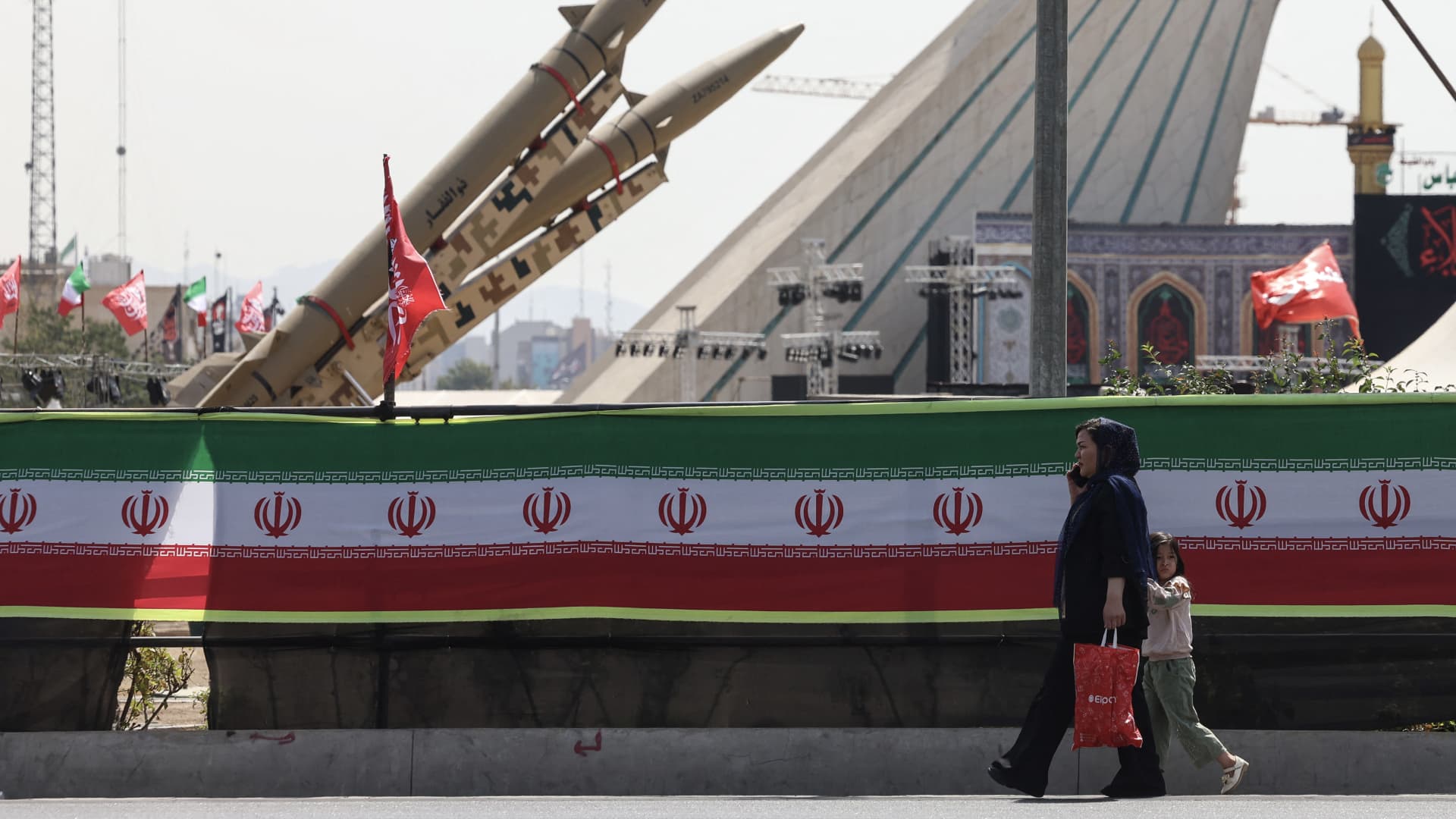
Iran’s central bank chief announced on Thursday that the country is set to join the BRICS New Development Bank, a move designed to bolster economic alliances as tensions with the United States persist. The declaration marks a significant step in Tehran’s efforts to diversify its financial partnerships amid an ongoing conflict with Washington.
The decision to align more closely with the BRICS bloc comes against a backdrop of heightened military activity. Iran and the Houthis have recently struck tankers while US bombing campaigns continue in the region, underscoring the severity of the geopolitical standoff. This strategic realignment aims to provide Iran with alternative economic channels as it navigates the complexities of the dispute.
Financial markets have reacted sharply to the deteriorating security situation. Oil prices have risen following attacks on vessels in the Red Sea and the Gulf of Oman, driven by growing fears of supply disruptions. The volatility reflects investor concern over the stability of key energy transit routes in the Middle East.
Compounding the market unease is a worsening oil spill near Oman. Response efforts to the environmental crisis are being hindered by a lack of clarity regarding the vessel’s origin and the specific cause of the breach. The incident adds another layer of uncertainty to an already fragile regional landscape.
While the central bank chief confirmed Iran’s intention to join the development bank, the specific timeline for formal accession was not detailed in the announcement. The move is framed by Iranian officials as a means to strengthen economic resilience, though the immediate impact on global capital flows remains to be seen as the conflict drags on.