Iran targets Gulf infrastructure to pressure Washington while avoiding direct US confrontation
As the United States escalates strikes on Iranian infrastructure, Tehran has adopted a strategy of hitting civilian and military targets in neighbouring states while deliberately avoiding US naval assets and Israeli positions.
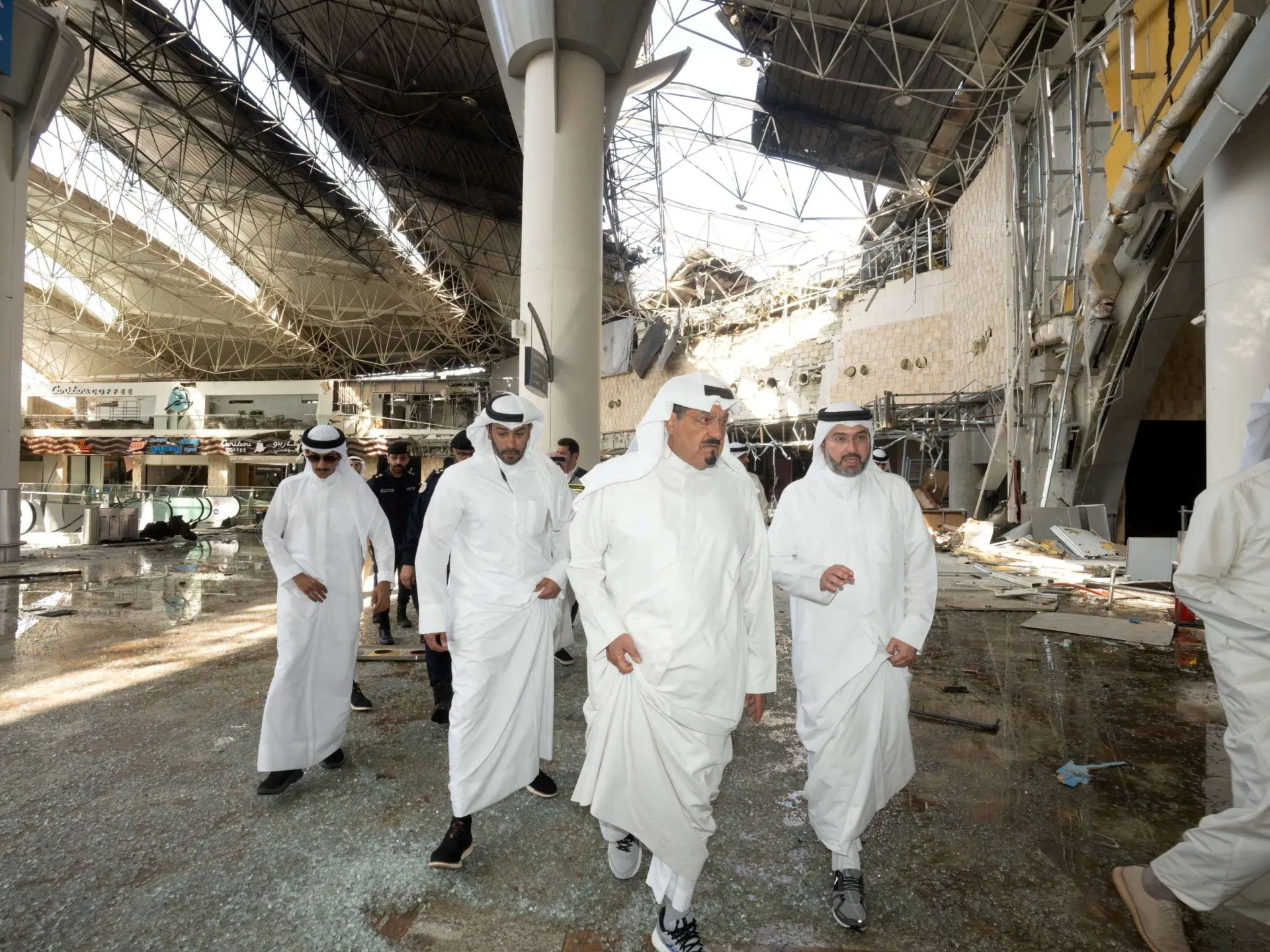
Iran has launched attacks on military and civilian infrastructure in Gulf states, specifically Kuwait and Bahrain, as well as Jordan, while deliberately avoiding direct strikes on US naval assets and Israeli targets. This strategy is occurring amidst an ongoing conflict that began in late February 2026, following joint US-Israeli strikes on Iranian nuclear and missile programmes. The US has escalated strikes on Iranian infrastructure, including railway stations, power facilities, telecommunications networks, and drinking-water systems. A memorandum of understanding (MoU) agreed upon in June between the US and Iran, aimed at extending a ceasefire, is reportedly being violated by both sides.
Analysts state that Iran is deliberately targeting these areas to pressure the United States through regional pressure while avoiding direct attacks on US naval assets and Israel to prevent a wider war. Retired Lebanese Brigadier General and military analyst Elias Hanna told Al Jazeera that targeting US naval assets would bring a devastating US response and is militarily difficult due to sophisticated air defence systems. Iran fears the consequences of attacking US forces and aims to influence Washington through regional pressure, though this approach risks further isolating Tehran and escalating tensions.
Tehran argues it is retaliating against Gulf states allegedly used for US operations, a claim dismissed by Gulf officials and experts as propaganda. Atifeh Taghiani, a professor of political science at the University of Tehran, argued that international law gives Iran the right to retaliate against any country from which attacks are launched. However, Abdullah al-Shayji, a professor of political science at Kuwait University, dismissed these remarks as recycled Iranian propaganda. He noted that all US strikes originate from the aircraft carriers George W Bush and Abraham Lincoln, positioned approximately 150km from the Iranian coast, and that Gulf states have insisted their territories will not be used to launch attacks against Iran.
The hostilities have resulted in 17 US military deaths and over 420 wounded, alongside a significant decline in Iran’s currency due to port blockades and the Strait of Hormuz crisis. Iran’s currency has suffered a significant decline following the escalation of military hostilities between the United States and Iran. The immediate catalyst for this economic instability is the US imposition of port blockades and targeted strikes on infrastructure, actions attributed to President Donald Trump’s strategy to compel Tehran to alter its stance on the Strait of Hormuz.
Abdullah Bandar al-Otaibi, an assistant professor in the Department of International Affairs at Qatar University, shared the assessment that neither the US nor Iran wants a full-scale war. He attributed Iran’s reluctance to target US refuelling aircraft operating from Israel’s Ben Gurion Airport to Tehran’s desire to avoid widening the conflict. Al-Otaibi noted that an Iranian attack on Oman just one day after Foreign Minister Abbas Araghchi visited Muscat highlights the failure of Iranian-Omani negotiations and reflects Tehran’s desire to establish full control over the strait.