Iran Supreme Leader rejects US naval blockade warning as diplomatic tensions escalate
In an interview with FRANCE 24, Iran's supreme leader declared the United States had suffered a shameful defeat, a stance supported by conflict resolution expert Oliver McTernan who warns of a significant miscalculation in US strategy.
Iran's supreme leader has issued a defiant rejection of a warning from President Donald Trump regarding the enforcement of a prolonged and economically punishing naval blockade. Speaking to FRANCE 24's Sharon Gaffney on Thursday, the supreme leader declared that the United States had suffered a shameful defeat, directly countering the American administration's threat to halt Iranian oil exports.
This diplomatic standoff centres on a US strategy designed to cut off crucial revenue streams for Tehran by targeting Iranian oil tankers. The supreme leader's comments underscore a hardline posture, with the statement framed as a direct response to the perceived illegitimacy of the proposed blockade measures.
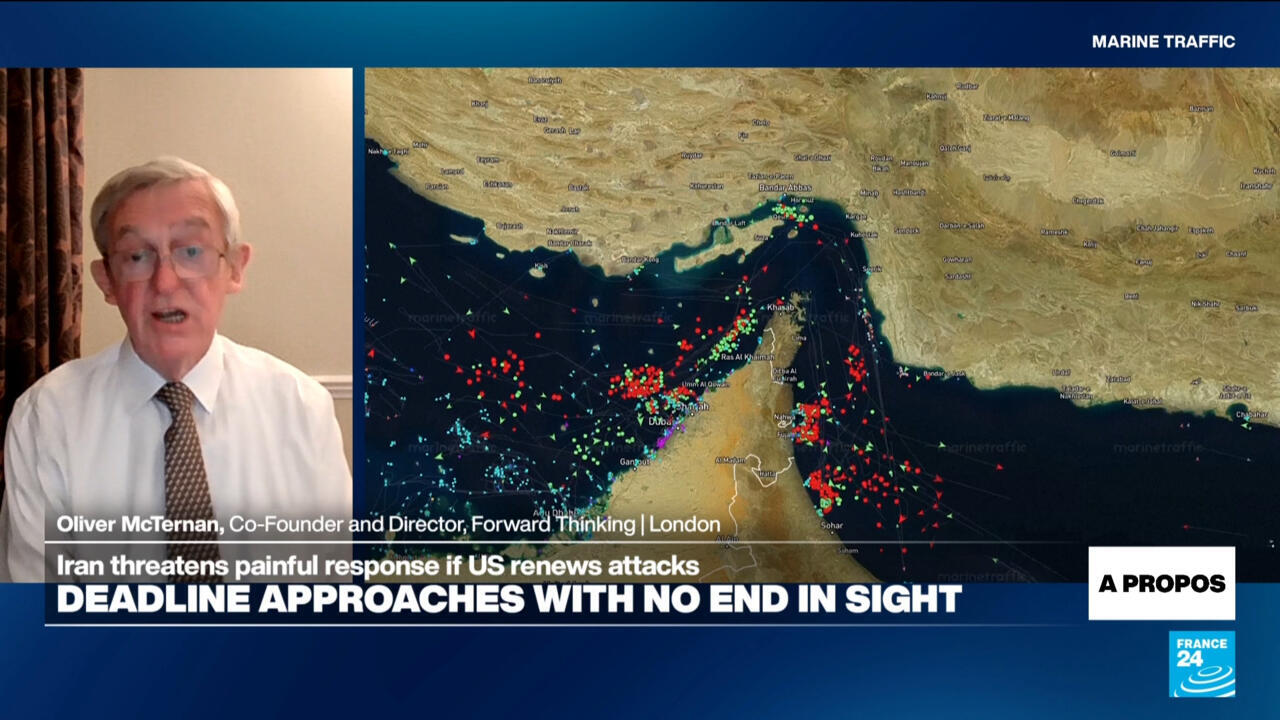
Conflict resolution expert Oliver McTernan, director and co-founder of Forward Thinking, has aligned with this defiant stance. In his assessment, McTernan stated that Iran will not capitulate to US pressure, characterising the current situation as a miscalculation involving illicit aggression against Iran. His analysis suggests that the US approach has failed to account for Tehran's resolve in the face of such economic coercion.
The geopolitical ramifications of this confrontation are already being felt in global markets. Brent crude is trading as high as $126 a barrel, driven by supply concerns stemming from the escalating tensions. This price volatility highlights the fragility of energy supplies in the region and the potential for further disruption if the blockade were to be fully implemented.
Diplomatic channels remain active despite the rhetoric, with Pakistan facilitating indirect talks between the United States and Iran. However, the immediate future of the Strait of Hormuz remains uncertain, a concern shared by Gulf Arab nations who are closely monitoring the stability of the waterway. President Trump is reportedly weighing a new plan to reopen the strait, adding another layer of complexity to the ongoing negotiations.
While the supreme leader's rhetoric paints a picture of American failure, the specific timeline and scope of the proposed naval blockade remain undefined in available reports. The extent to which this hardline messaging will translate into concrete military or economic actions by Iran is not yet clear, leaving the international community to watch the unfolding crisis with caution.