Iran squad navigates geopolitical conflict and visa hurdles ahead of World Cup
The Iranian national team has relocated its training base to Mexico after securing visas, with key figures citing the burden of competing while their nation remains in a state of war.
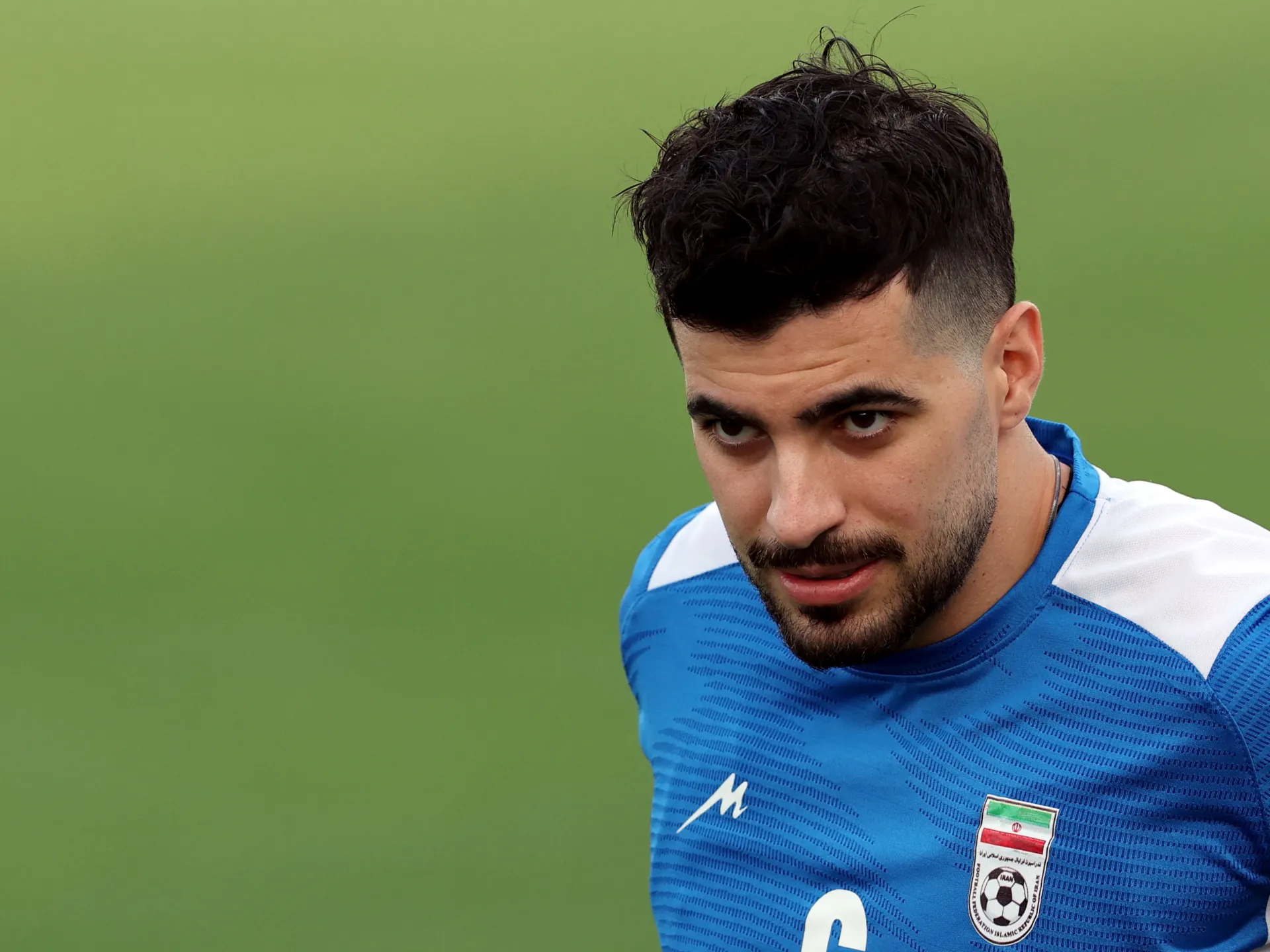
The Iranian national football team is preparing to compete in the 2026 FIFA World Cup under conditions that are unprecedented in the tournament’s history, as the squad navigates an ongoing conflict with the United States and Israel. With the country at war, players have described the significant psychological pressure of representing their nation while hostilities persist, even as an uneasy ceasefire has been in place since April.
Visa processing difficulties initially forced the team to relocate its training base from Tucson, Arizona, to Tijuana, Mexico. The squad has since spent more than two weeks in Turkiye, where members submitted applications at the US embassy in Ankara. According to the team, entry permits have now been finalised for all squad members, allowing them to travel to Mexico before proceeding to the United States and Canada for the tournament.
Saeid Ezatolahi, a 29-year-old midfielder participating in his third World Cup, acknowledged the unique challenges facing the squad. Speaking to The Associated Press, he noted that while his experience helps manage the situation, the political climate inevitably affects the players’ minds. Ezatolahi stated that the team is closely following news from home and recognises the difficulty of maintaining focus while their country remains in a state of conflict.
The logistical uncertainty has been compounded by the geopolitical backdrop. The United States and Israel launched attacks on Iran on 28 February, resulting in the death of Iran’s supreme leader and other top officials. Iran responded with strikes on Israel, US forces, and Gulf Arab states, while maintaining a blockade on the Strait of Hormuz. Although a ceasefire was established on 8 April, hostilities occasionally flare up, and no permanent end to the conflict has been negotiated.
Iran is scheduled to play its first two group stage matches near Los Angeles, where a large Iranian diaspora resides, many of whom oppose the current government. Ezatolahi expressed concern about the high expectations from fans in the stadium, stating his desire to make them proud and demonstrate national resilience. The team faces New Zealand on 14 June at the Los Angeles Rams’ stadium in Inglewood, Belgium on 21 June in the same location, and Egypt on 26 June in Seattle.
Mohammad Ghorbani, a 24-year-old player making his World Cup debut, emphasised the team’s unity and purpose. He stated that the squad aims to bring joy to the Iranian people during difficult times and to show the world the strength of Iranian players and citizens. Ghorbani described the team as a unified entity under one flag, determined to perform despite the extraordinary circumstances surrounding the tournament.
The FIFA World Cup begins on 11 June, with Iran’s campaign set to commence shortly after. The team’s participation highlights the intersection of sport and international relations, as players strive to separate their athletic duties from the broader geopolitical tensions affecting their homeland.