Iran signals imminent digital ceasefire deal with US as France reaffirms two-state commitment
Foreign Minister Abbas Araghchi confirms remote signing of a memorandum of understanding, while French officials urge the international community to uphold Palestinian statehood amid intensifying regional conflict.
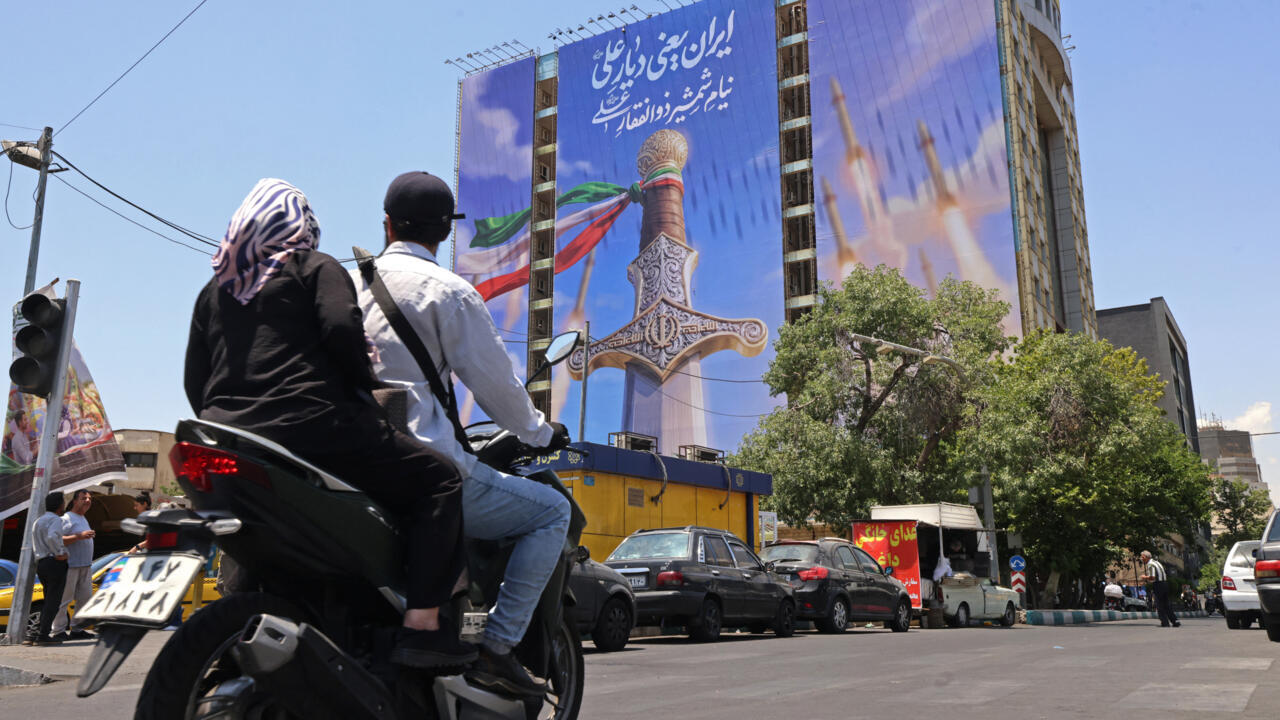
Iranian Foreign Minister Abbas Araghchi stated on Friday that a draft agreement to end the war with the United States could be signed digitally within the coming days, marking a significant shift in diplomatic engagement as negotiations reach their final stages. The proposed framework addresses the US naval blockade and the future administration of the Strait of Hormuz, with Tehran seeking to maintain a toll system for ships transiting the waterway.
Araghchi confirmed that the initial signing would take place remotely, with each side executing the document digitally before a joint announcement that the memorandum of understanding had been signed. Speaking to state television, the foreign minister expressed hope that the process would conclude shortly, stating, "As soon as the final stages of our negotiations are completed, this agreement will be signed and announced."
The Iranian position on the Strait of Hormuz remains a central point of contention. Araghchi argued that costs must be paid for "services rendered" by Iran, which has imposed a toll system during the war. This stance contradicts the position of the US and other nations, which maintain that the toll violates international law. Iranian media has reported potential terms for the ceasefire, including a 60-day negotiation period for a nuclear deal, the release of frozen Iranian assets, and a permanent cessation of hostilities on all fronts, including Lebanon.
The diplomatic activity in Tehran coincides with heightened military tensions. Recent escalations include US forces striking Iran with 49 Tomahawk missiles and Israeli strikes on military targets in western and central Iran, including Tehran, Tabriz, and Isfahan. In retaliation for an attack on Beirut’s southern suburbs, Iran has fired missiles at Israeli targets. Despite Iran’s military command declaring the Strait of Hormuz closed to all vessel traffic, US Central Command has denied the closure, stating that commercial ships continue to transit.
In a parallel development, Israeli and Palestinian civil society groups delivered an appeal in France urging the international community to uphold the two-state solution. French Foreign Minister Jean-Noël Barrot reaffirmed Paris's commitment to peace, telling 250 representatives from both sides that France refuses to let the side of war prevail. The meeting marked one year since the UN-backed New York Declaration, which prompted around a dozen countries to recognise a Palestinian state.
The potential deal has drawn sharp reactions from US leadership. President Donald Trump posted a message criticising "very dishonourable" Iranians in response to reports of the alleged agreement. Meanwhile, cyber tensions have escalated, with an Iran-linked hacker group called Handala claiming to have breached FBI drones and threatening to target the 2026 World Cup.