Iran sets preconditions for Strait of Hormuz reopening as regional defence pact expands
Amidst escalating hostilities, Iran has outlined specific requirements for restoring navigation through the Strait of Hormuz, while Turkey, Pakistan, and Saudi Arabia formalise a mutual defence alliance.
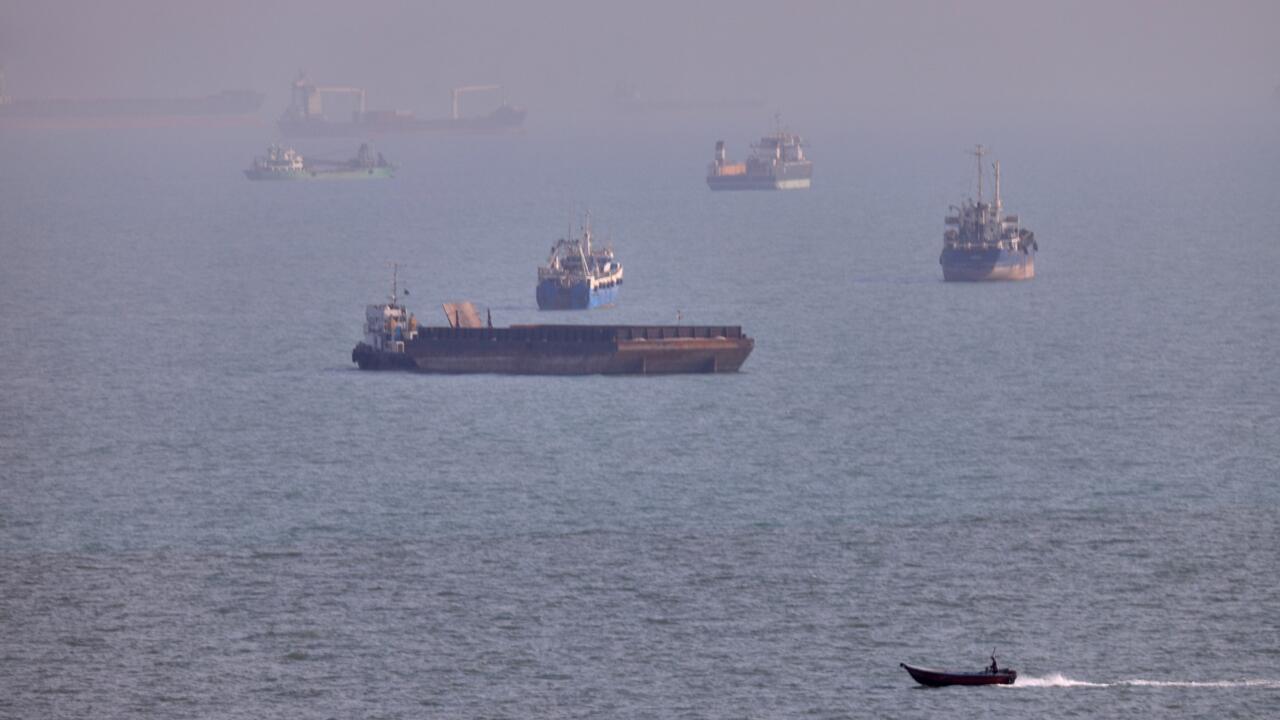
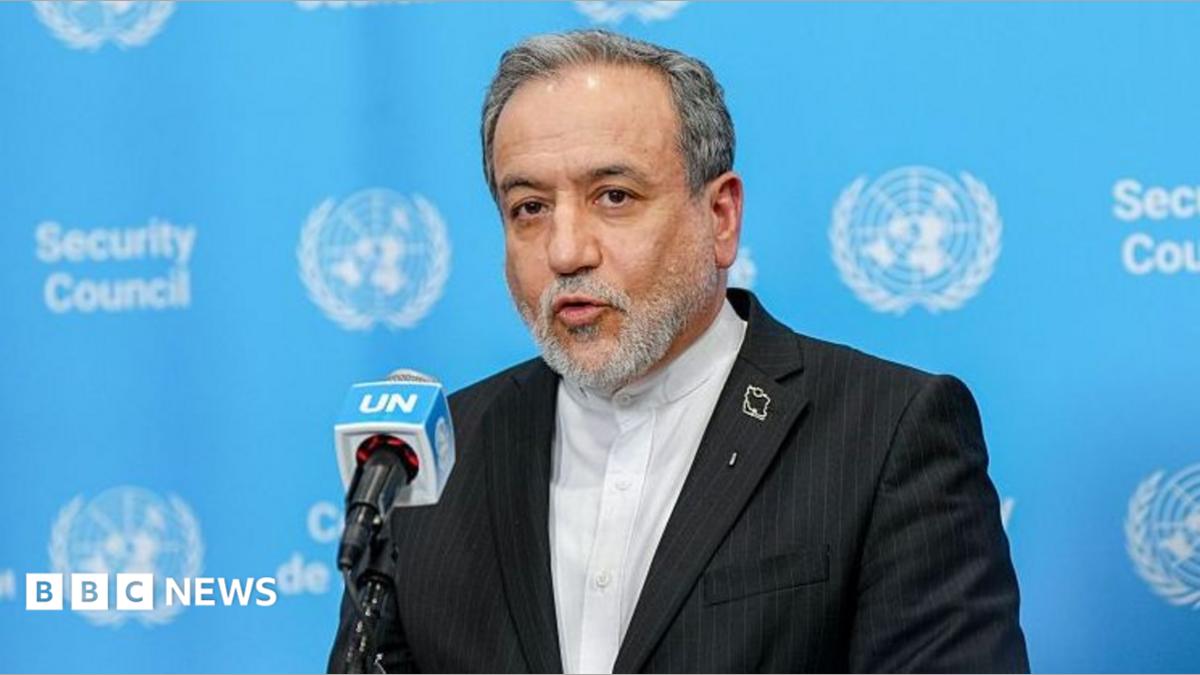
Iran has issued a comprehensive list of preconditions for the reopening of the Strait of Hormuz, complicating diplomatic efforts to restore navigation through the vital waterway. Iranian Foreign Minister Abbas Araghchi confirmed that discussions with Oman regarding the transit and management of the strait are approaching final stages, but insisted that any agreement remains subject to Tehran’s demands. These conditions include compensation for war damages, the lifting of international sanctions, the release of frozen assets, and an end to what Iranian officials describe as a US naval blockade.
The demands were further detailed by Iranian security chief Mohammad Bagher Zolghadr, who stated that the strait’s reopening is contingent on an end to hostilities against Iran and its allies in Lebanon, Palestine, Yemen, and Iraq. The Iranian Revolutionary Guards reinforced this stance, asserting that the reopening is not linked to negotiations with Oman and that external powers are forced to accept Iran’s conditions. Araghchi added that the demands also address the violation of a June agreement with the United States.
In a parallel development shaping the region’s security architecture, Turkish Foreign Minister Hakan Fidan described the Mecca Joint Defence Agreement, signed on Friday by Turkey, Pakistan, and Saudi Arabia, as technically equivalent to NATO’s Article 5 mutual defence pact. Fidan told state-run Anadolu news agency that the alliance would feature a committee of ministers and a general secretariat based in Saudi Arabia. He clarified that the accord was not targeting Iran but was designed to stabilise a region grappling with widespread conflict.
Fidan expressed expectation that Egypt would join the alliance, citing the country as a "natural partner" and noting that only technical issues remain to be resolved. The signing of the pact occurred against the backdrop of the US-Israeli war on Iran, which has drawn in surrounding nations and disrupted shipping through both the Strait of Hormuz and the Red Sea. The agreement signals a significant shift in regional defence cooperation as neighbouring states seek to mitigate the spillover effects of the broader conflict.
Meanwhile, Saudi Aramco reported that firefighters had extinguished a fire at its Jazan refinery in southwestern Saudi Arabia, with no injuries reported. The refinery, which processes 400,000 barrels of crude oil per day, had been shut down on July 27 following attacks by Yemen’s Houthi militants that damaged the plant’s Integrated Gasification Combined Cycle complex and tank farm area. The incident underscores the ongoing threats to Saudi energy infrastructure and the potential for wider disruption to global oil supplies as regional tensions persist.