Iran secures immediate sanctions relief in US-Iran memorandum of understanding
Following a four-month conflict with the United States and Israel, Tehran has gained access to critical banking and shipping channels, though analysts warn that long-term economic recovery hinges on a complex "pay-for-performance" framework.
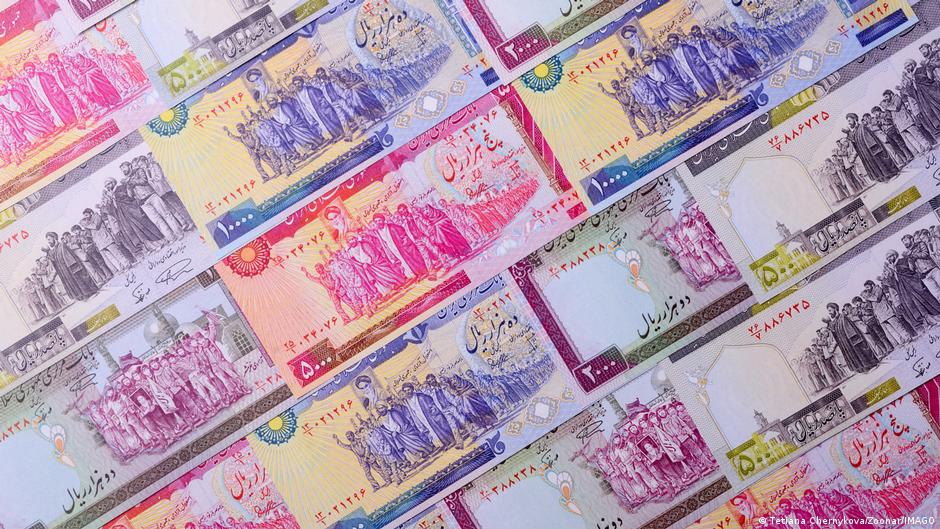
The Trump administration and Iran have finalised a memorandum of understanding (MOU) following a four-month conflict involving the United States and Israel. Agreed on June 17, the deal grants immediate 60-day waivers on US sanctions, enabling Tehran to resume crude oil and refined petroleum exports, as well as associated shipping, insurance, and banking transactions. This agreement marks a significant shift from the previous period of isolation, where Iran’s economy had contracted by an estimated 10% due to the war and pre-existing sanctions.
Data from maritime tracking firm TankerTrackers indicates a rapid rebound in Iranian oil exports since the waivers took effect. More than 36 million barrels have left the Strait of Hormuz since June 15, equating to over 5 million barrels per day, with a further 36 million barrels waiting on tankers to transit. Prior to the conflict, exports had plummeted to approximately 64,000 barrels per day under a US naval blockade. The new waivers allow Iran to secure better prices for its oil, which was previously sold to independent Chinese refiners at discounts of up to $15 per barrel below Brent crude.
The inclusion of banking transactions in the waivers addresses a critical bottleneck for the Iranian economy. Historically, revenue from oil sales was stuck in escrow or clearing accounts, preventing the government from importing vital goods or funding state operations. Richard Nephew, a senior research scholar at Columbia University, told The Wall Street Journal that Iran could generate approximately $8 billion in oil revenue during the initial 60-day waiver period. Ali Vaez, Iran Project Director at the International Crisis Group, noted that while the regime was already struggling to maintain basic services before the conflict, the MOU provides desperately needed immediate economic relief.
Beyond the initial waivers, the MOU outlines provisions for the unfreezing of over $100 billion in Iranian assets held in banks across China, Qatar, India, Iraq, and Japan. While Iran seeks phased releases of approximately $24 billion, US officials have insisted on a "pay-for-performance" approach, tying the availability of these funds to Tehran’s compliance with nuclear and regional security requirements. Vaez cautioned that even if the full amount were released, it would offer only limited relief for the regime and provide minimal assistance to ordinary Iranians recovering from the conflict.
A proposed $300 billion reconstruction fund, included in the second phase of the agreement, remains highly conditional. The fund is expected to be backed by Gulf states, including Qatar, Saudi Arabia, and the UAE, and would be linked to specific infrastructure projects such as desalination plants and port repairs, rather than direct cash transfers. Analysts describe the fund as uncertain, noting that Gulf leaders have expressed deep reservations about committing large sums without significant behavioural changes from Tehran. The success of the agreement ultimately depends on whether Iran can demonstrate compliance and whether the Trump administration can effectively rein in Israeli Prime Minister Benjamin Netanyahu, a key concern for Tehran as it evaluates the long-term viability of the deal.