Iran restores internet access after 88-day blackout, but restrictions persist
President Masoud Pezeshkian orders end to longest recent shutdown, yet cybersecurity experts warn that data manipulation and selective access policies continue to stifle digital freedom and economic recovery.
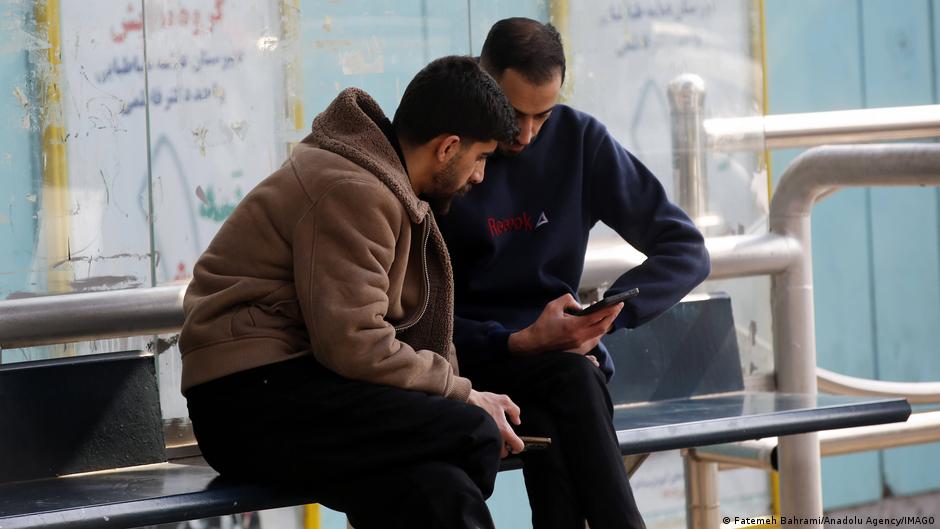
Iran has partially restored internet access following an 88-day nationwide blackout, the longest disruption in recent history, which was triggered by US-Israeli attacks on 28 February. While web traffic has increased significantly compared to recent weeks, real-time data from NetBlocks and Cloudflare indicates that usage remains approximately 50% lower than pre-January levels. The restoration was ordered by President Masoud Pezeshkian on Monday, marking a shift from the total blackout that authorities cited as a security measure.
Cybersecurity expert Amir Rashidi, director of the US-based Miaan Group, noted that while the connection is technically intact, data traffic is being actively manipulated to restrict information flow. Rashidi stated that the goal appears to be ensuring the internet functions in principle while making normal, unrestricted use difficult. This manipulation prevents data from leaving the country and hinders the free dissemination of information regarding the war and protests, continuing a pattern of severe disruption that began with the crackdown on nationwide demonstrations in January.
The administrative approach to digital control has also been streamlined. Prior to the restoration, a crisis management team led by Vice President Mohammad Reza Aref was established to reduce overlapping responsibilities among agencies such as the National Security Council and the Supreme Council for Cyberspace. Despite this consolidation, the "Internet Pro" policy remains in effect. Approved during the blockade by the National Security Council, this scheme offers paid access to vetted groups, including members of the Chamber of Commerce, start-ups, and technology companies, with promotional messages still being sent to encourage package purchases.
Essential communication tools remain largely inaccessible to the general public. Apps such as WhatsApp are still blocked, even when users attempt to access them via virtual private networks (VPNs). Iran’s internet is subject to strict censorship even in peacetime, with many websites and apps blocked. For those requiring access to social media platforms like Instagram, TikTok, and YouTube, expensive local VPN services remain a necessity for daily life, though the blackout has severely limited their utility for broader communication.
The economic and social consequences of the blackout have been severe, particularly for small businesses and women-led ventures. Solmaz Eikder from Filterbaan, an Iranian digital rights organisation, reported that many women from small towns and villages relied on the internet to sell goods such as dried fruit, handmade clothing, and food. This income source has been destroyed by the disruption, leaving millions cut off from the digital economy. With the landline network emerging as the primary alternative communication method, users must enter automated codes before calls are established, raising suspicions of surveillance during this period.