Iran restores gas output at South Pars following Israeli strikes
Tehran reroutes production to regional plants as repairs continue on damaged infrastructure, amid stalled US-Iran negotiations and port blockades.
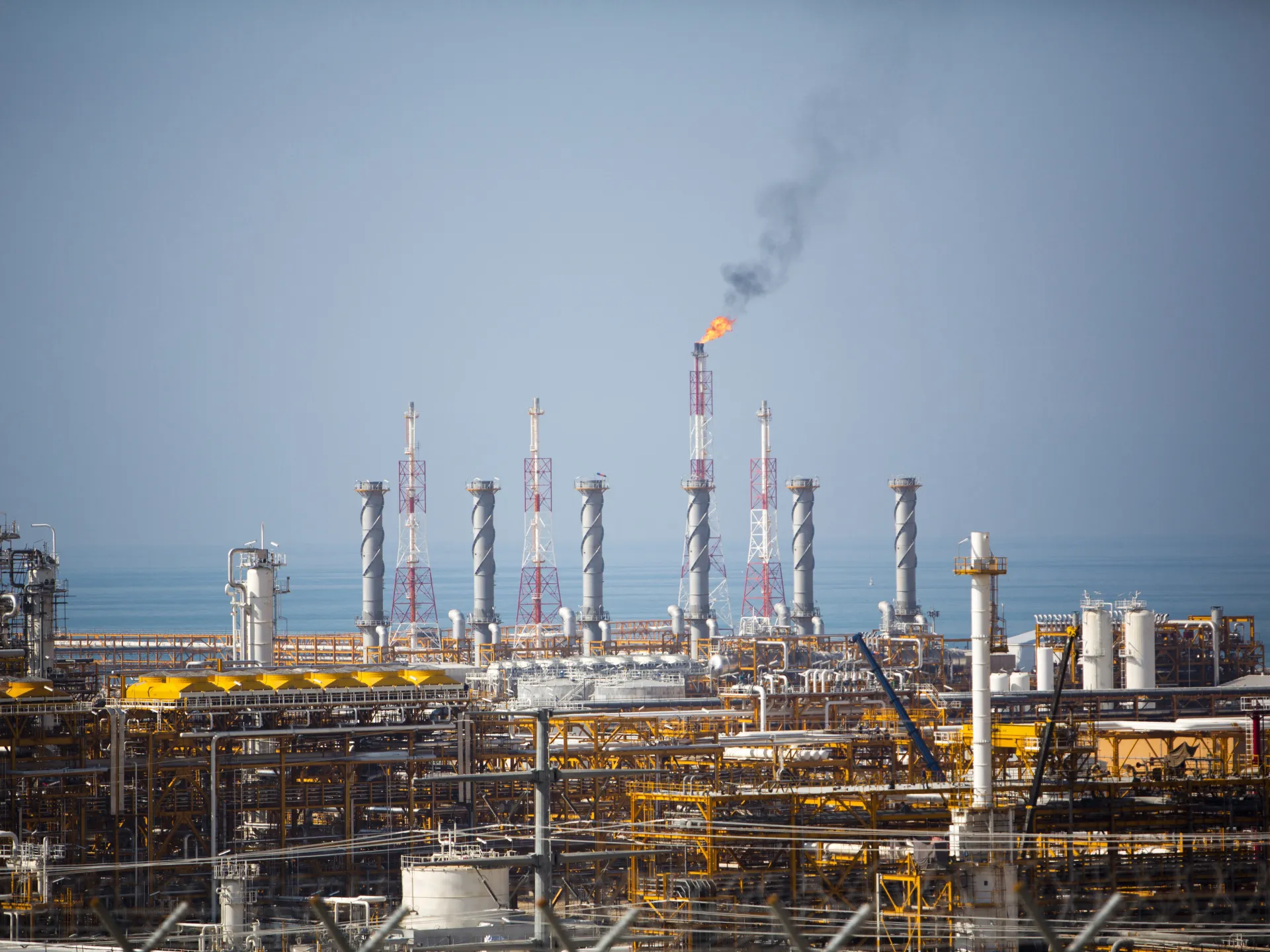
Iran has resumed gas production at three offshore platforms within the South Pars gasfield, marking a significant operational milestone following Israeli military strikes in March. Touraj Dehqani, chief executive of the Pars Oil and Gas Company, confirmed to state media that the specific platforms involved sustained no damage during the attacks. Consequently, production from these sites is currently being diverted to other regional processing facilities while repairs are undertaken on damaged infrastructure elsewhere in the complex.
The South Pars gasfield, located off the coast of Bushehr province, is Iran’s largest domestic energy source and is shared with Qatar, where it is known as the North Field. Spanning 9,700 square kilometres, the facility is considered one of the most critical energy assets in the country. Its restoration is viewed by analysts as both a symbolic and practical step for Tehran, which has faced extensive infrastructure damage from US-Israeli air strikes, including attacks on oil depots in the capital.
Reporting from Tehran, Al Jazeera’s Tohid Asadi described the resumption of production as a signal that Iran is attempting to rebuild targeted facilities. However, he noted that while the reopening is an important first step, the long-term success of Iran’s energy sector will depend on its ability to export gas, a challenge compounded by ongoing geopolitical tensions.
The diplomatic backdrop to this industrial development remains strained. US President Donald Trump’s administration has maintained a blockade of Iranian ports as part of a pressure campaign aimed at securing a deal to end the wider conflict. President Trump has signalled no urgency for a resolution, indicating the US is willing to let the negotiation process unfold without immediate pressure.
Negotiations between Washington and Tehran continue, but Tehran remains firm on its demands. Iran’s chief negotiator stated on Sunday that Tehran would not agree to any deal with Washington unless it secures Iran’s full rights. This stance comes as Iran continues to navigate the aftermath of retaliatory missile and drone strikes launched in response to the initial Israeli attacks on the South Pars complex and the petrochemical facility in Asaluyeh in early April.