Iran rejects US claims of nuclear inspection deal following diplomatic talks
Tehran denies making new commitments on IAEA access despite US sanctions waiver and 60-day roadmap for a final agreement
Iran’s foreign ministry has firmly rejected assertions by US Vice-President JD Vance that Tehran agreed to allow nuclear inspectors back into the country, casting doubt on the immediate outcome of recent diplomatic negotiations. The denial comes shortly after Vance claimed that discussions with the International Atomic Energy Agency (IAEA) could commence as early as Monday, following the first round of talks in Bürgenstock, Switzerland.
The dispute highlights a significant divergence in interpretation between the two sides. While US officials, including Treasury Secretary Scott Bessent, stated that Iran had committed to facilitating IAEA access in exchange for a temporary sanctions waiver, Iranian officials maintained that no new obligations were undertaken. Foreign ministry spokesman Esmail Baqai told state media that any engagement with UN inspectors would proceed strictly under existing procedures set by Parliament and the Supreme National Security Council.
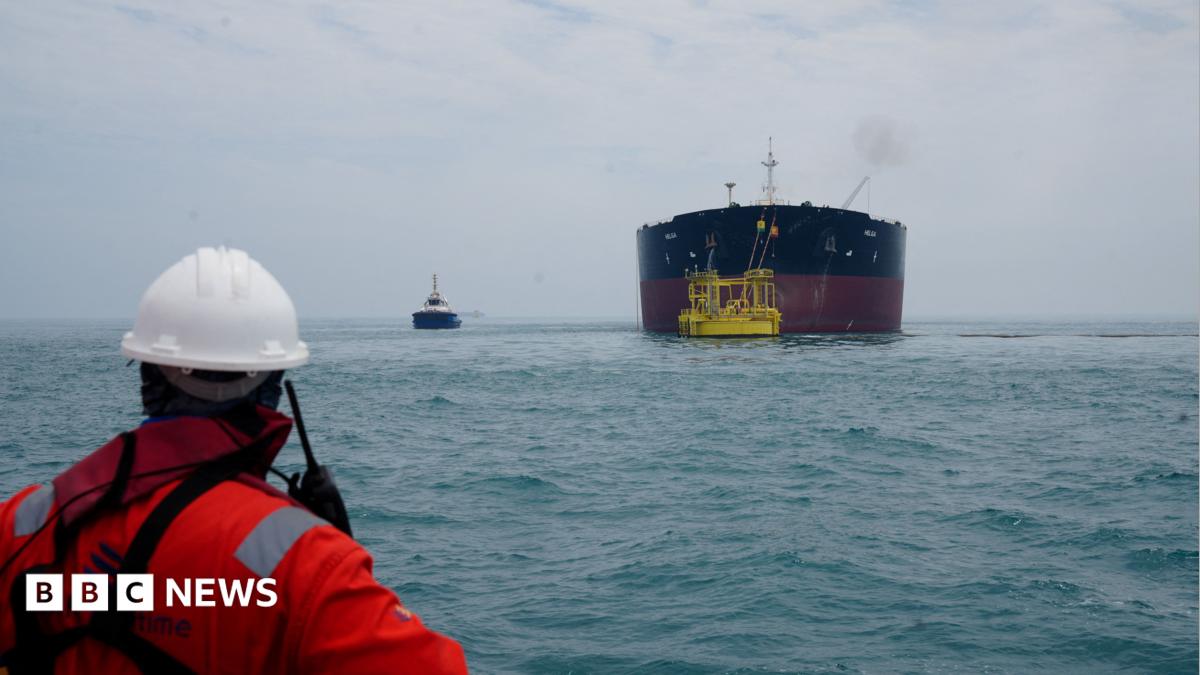
The diplomatic efforts, mediated by Qatar and Pakistan, resulted in a joint statement outlining a 60-day roadmap towards a final deal. The mediators confirmed that the US and Iran had agreed to establish a communication line to ensure the safe passage of commercial vessels through the Strait of Hormuz and create a de-confliction cell involving the US, Iran, and Lebanon to support a fragile ceasefire.
Concurrently, the US Treasury issued an emergency licence dismantling key pillars of the long-running embargo. The waiver, valid until 21 August, permits Iran to sell crude and petrochemicals in US dollars and import crude directly into the United States. This measure unlocks banking transactions and insurance services that had previously forced Tehran to rely on complex networks to conduct trade.
Tensions remained high throughout the process, with Vice-President Vance reporting that Iranian negotiators threatened to walk out of talks after President Donald Trump posted warnings on social media that the US could “hit Iran very hard again.” Vance described the president’s comments as a response to Iranian “trash talk,” while President Trump issued a fresh warning from the Oval Office that he would act if Iran failed to live up to its agreement.
Iranian Foreign Minister Seyed Abbas Araghchi identified the situation in Lebanon as the “first real test” of the emerging agreement. With fighting between Israel and Hezbollah abating, negotiators are now set up to address nuclear issues and sanctions as the 60-day period begins. The US president reiterated that any failure to comply with the terms would result in further action, underscoring the precarious nature of the current diplomatic framework.