Iran readies stock exchange for volatile reopening after 80-day war suspension
The Tehran Stock Exchange is set to reopen this week following a suspension triggered by conflict with the United States and Israel, though analysts warn that price controls may trap selling pressure rather than resolve it.
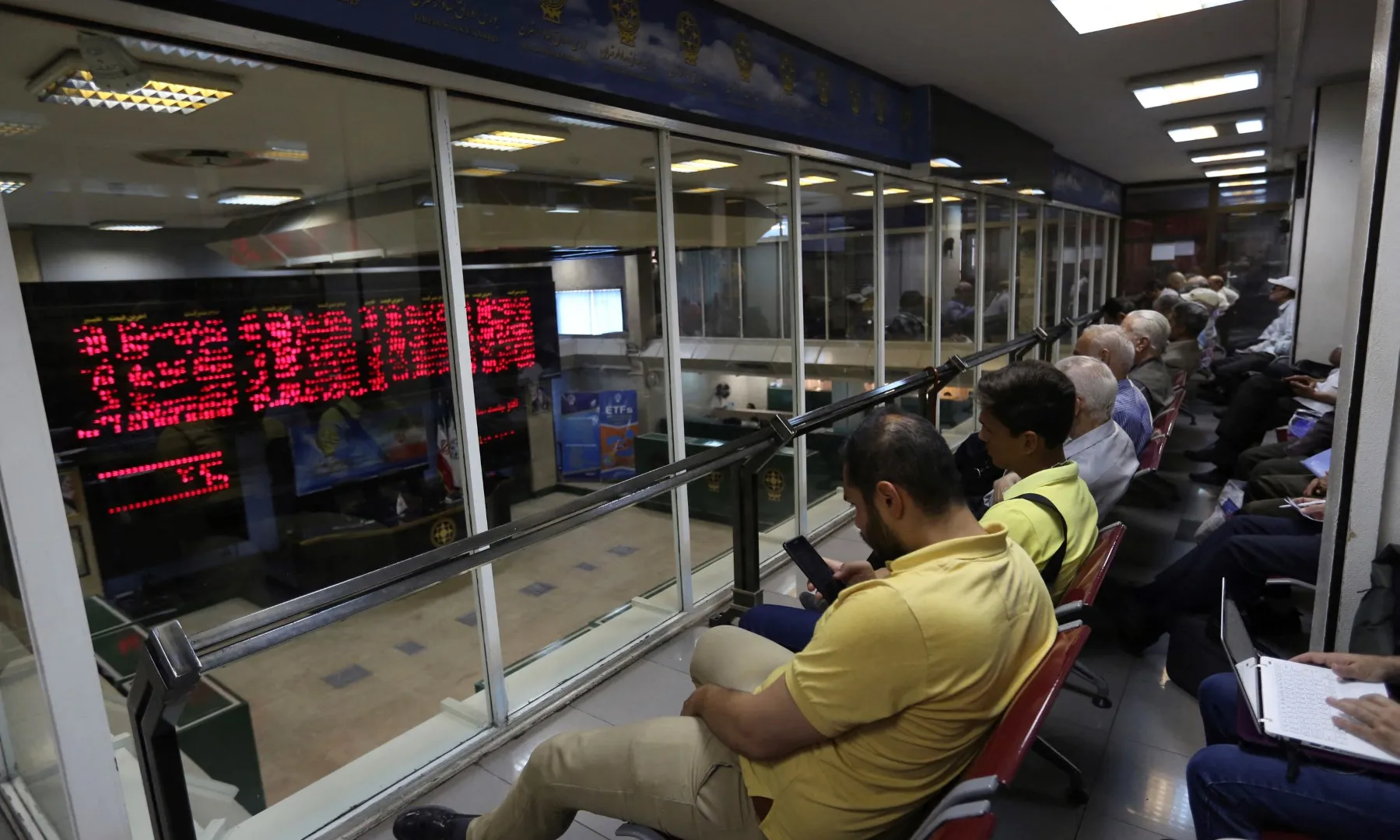
The Tehran Stock Exchange is scheduled to resume trading this week after an 80-day suspension caused by the war with the United States and Israel. The Securities and Exchange Organization (SEO) has implemented a three percent daily price fluctuation limit to curb volatility, while extending operations by one hour to allow firms damaged during the conflict to release critical data. Authorities categorised companies into three groups for the reopening: those with direct damage, those affected via supply chains, and those impacted by the general economic environment.
Trading will begin on Tuesday and Wednesday, with operations extended by one hour to facilitate the disclosure of critical information by firms damaged during the conflict. The Securities and Exchange Organization (SEO) has categorised companies into three groups for the reopening: those with direct damage, those affected via supply chains, and those impacted by the general economic environment. Authorities have maintained a three percent daily price fluctuation limit to curb volatility, although experts warn this may trap selling pressure rather than resolve it.
The stock market had been closed since February 28, following missile attacks by the US and Israel on Tehran and other regions. TEDPIX, the main index of the Tehran Stock Exchange, fell from an all-time high of nearly 4.5 million points at the start of 2026 to approximately 3.7 million points at the last pre-closure snapshot. The decline was exacerbated by nationwide protests peaking on January 8 and 9, a subsequent 20-day state-imposed internet shutdown, and growing expectations of war.
US and Israeli fighter jets extensively bombed Iran’s economic infrastructure, including petrochemical companies, steel producers, and mining and transport-linked firms. A US naval blockade on Iran’s ports was imposed on April 13, despite a tenuous ceasefire agreed five days earlier. Some companies may classify sensitive data, such as production maps and designs, as “commercial secrets,” submitting them to the SEO rather than disclosing them publicly online.
Bijan Khajehpour of Eurasian Nexus Partners warned that investors might engage in panic selling to generate liquidity, urging the government to develop support measures. The reopening comes as the exchange remains isolated from global indexes due to Western sanctions, with the state and banks continuing to serve as the primary financiers of economic activity in a country grappling with chronic inflation and harsh sanctions.