Iran proposes Strait of Hormuz reopening deal while deferring nuclear talks
Foreign Minister Abbas Araghchi has launched a high-stakes diplomatic sprint across Pakistan, Oman and Russia to secure a proposal for reopening the Strait of Hormuz, explicitly separating the issue from negotiations on Tehran's nuclear programme.
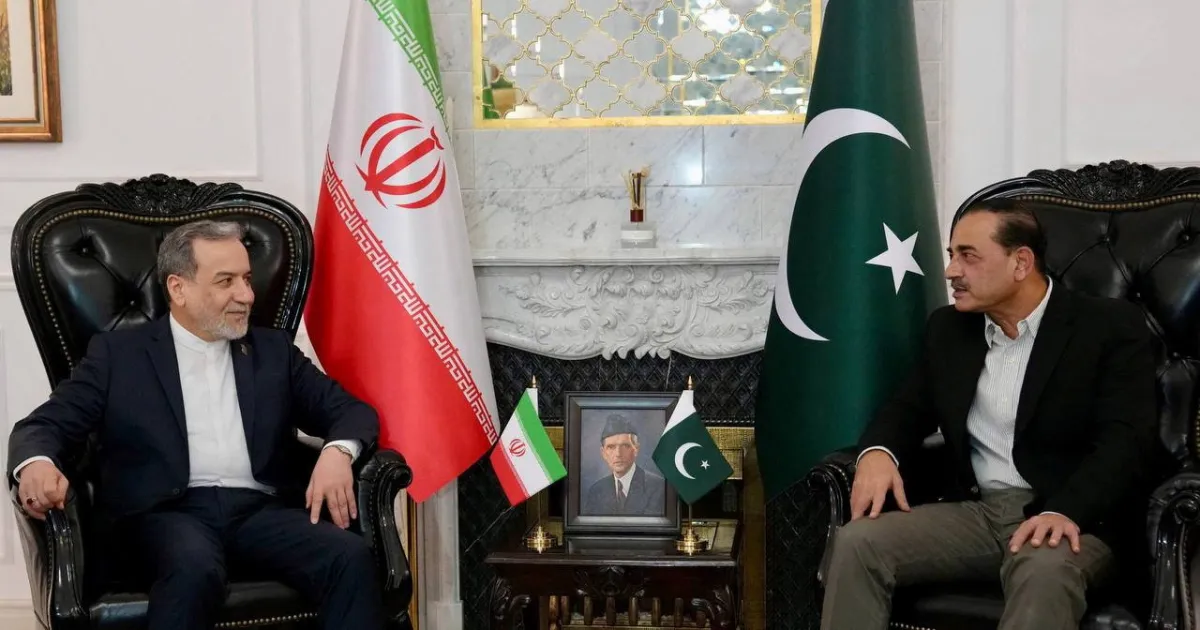
Iranian Foreign Minister Abbas Araghchi has initiated a concerted diplomatic campaign to secure a deal reopening the Strait of Hormuz, explicitly decoupling this issue from negotiations regarding Tehran's nuclear programme. Following direct talks in Islamabad and Muscat, Araghchi met with Russian President Vladimir Putin in Saint Petersburg to garner broader international support for the initiative.
The diplomatic push coincides with a looming May 1 deadline under the War Powers Resolution, which requires the United States to seek congressional authorisation for military operations against Iran. While Pakistan continues to facilitate indirect communications between Tehran and Washington, the US administration has not confirmed the specifics of Iran's proposal but maintains its core demand that Iran must not possess nuclear weapons.
Discussions in Muscat focused on the Strait of Hormuz, regional security guarantees, and a settlement framework, with nuclear issues set aside for a later stage. Senior intelligence officials were reportedly present at talks in Oman, underscoring the gravity of the engagement as Tehran attempts to build a wider constituency against escalation.
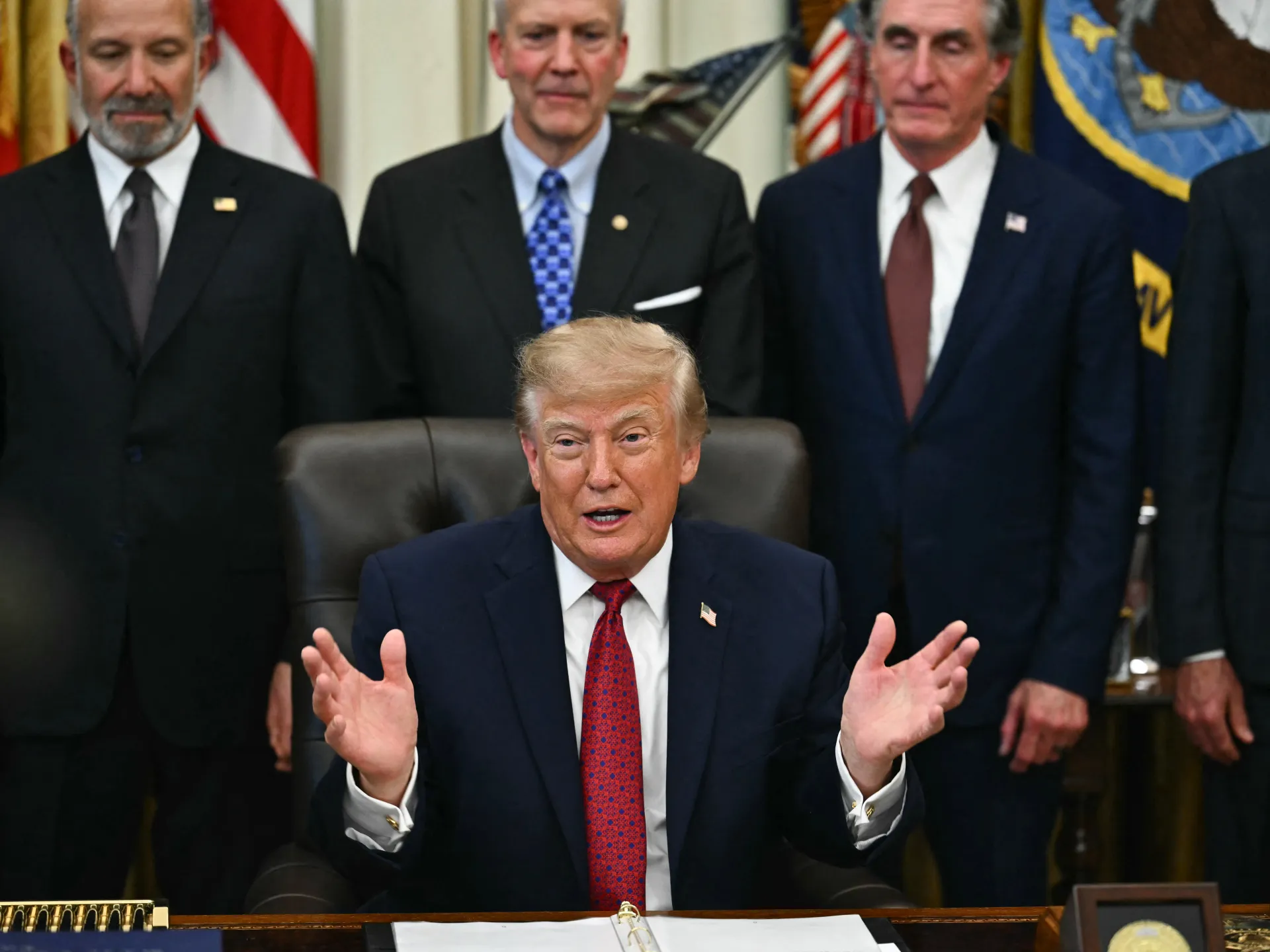
The United States has stated it will not negotiate through the press and insists that any agreement must ensure Iran does not acquire nuclear capabilities. President Donald Trump indicated that Iran already knows the requirements, noting that direct lines of communication exist, though he previously cancelled a planned visit by US envoys to Islamabad, stating Iran had offered "a lot, but not enough".
Regional leaders, including Qatar's Prime Minister and Saudi Foreign Minister, have engaged via telephone, emphasising that sea lanes must not be used as bargaining chips and calling for practical solutions to ensure freedom of navigation. The closure of the Strait of Hormuz has effectively choked a bulk of Gulf energy exports, making maritime security a paramount concern for the region.
Analysts suggest Tehran is employing a hedging strategy to build diplomatic insulation and reassure neighbours, drawing lessons from the collapse of the 2015 nuclear deal. However, the success of this outreach remains contingent on whether the United States agrees to a deal that addresses Tehran's red lines while satisfying Washington's non-nuclear conditions.