Iran proposes licensing fees for undersea internet cables in Strait of Hormuz
Experts warn the legal basis for the proposal is weak, but enforcement through coercion could disrupt connectivity in the Gulf states.
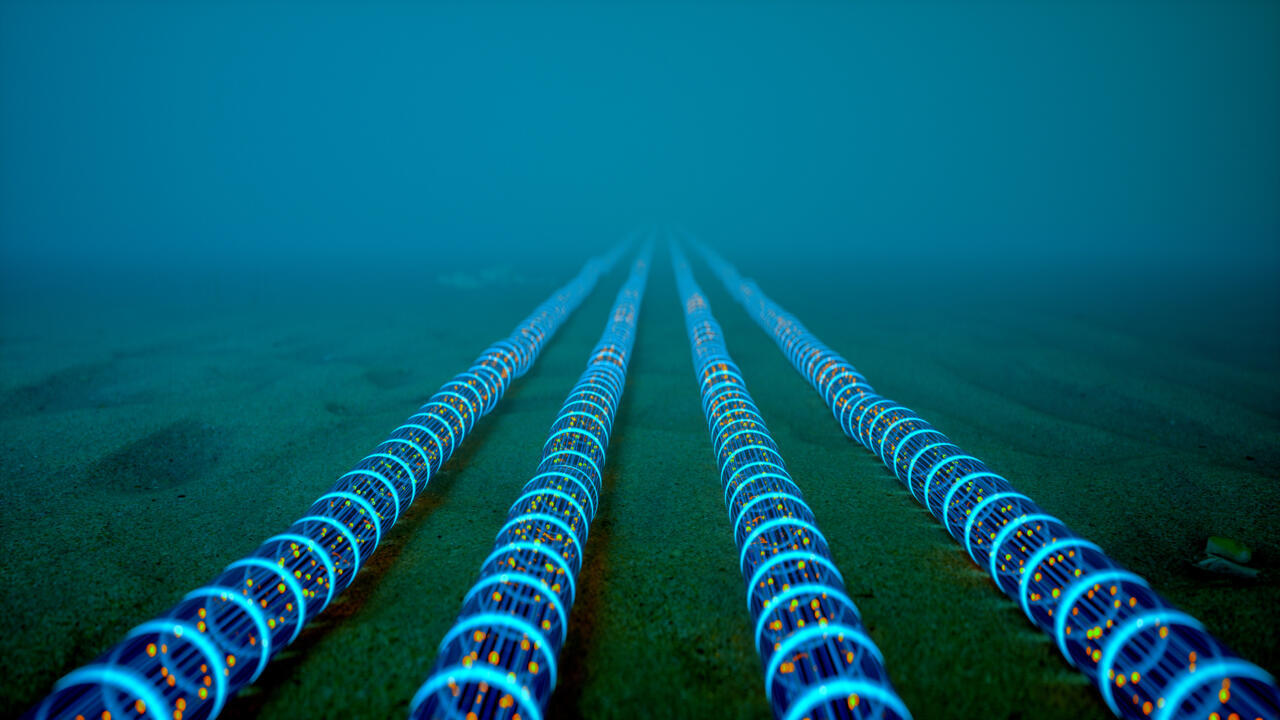
Tehran has floated a proposal to charge major technology companies, including Google, Meta, Microsoft, and Amazon, licensing fees for the use of undersea internet cables crossing the Strait of Hormuz. The initiative, reported by Iranian state-affiliated media, aims to extend the Islamic Republic’s wartime control over the critical waterway by monopolising cable maintenance and enforcing compliance with local laws.
The proposal follows Iran’s successful blockade of commercial shipping in the region. Iranian state media have described the cables as a "treasure at the bottom of the Strait," asserting that no part of the waterway constitutes high seas due to territorial boundaries extending 12 nautical miles from the shores of Iran and Oman. However, experts note that only two of the seven known operational cables, Falcon and Gulf Bridge International, lie within Iranian territorial waters.
International law experts have characterised the legal basis for the fees as "very weak." Jonas Franken from the Technical University of Darmstadt and Basil Germond from Lancaster University highlighted that states retain the freedom to lay and maintain cables under the United Nations Convention on the Law of the Sea. While Iran may attempt to exploit legal grey zones regarding duties in exclusive economic zones, Germond stated that Tehran cannot arbitrarily restrict maintenance under current international frameworks.
Despite the weak legal standing, the regime may resort to coercion to enforce payments. Christian Bueger of the University of Copenhagen noted that Iran could interfere with data traffic, threaten disruption, or damage cables to compel compliance. Such actions would primarily impact internet access in Saudi Arabia, the United Arab Emirates, and Qatar, rather than affecting the United States or Europe.
The feasibility of such sabotage faces significant practical hurdles. Franken pointed out that the sandy and muddy seabed in the Strait facilitates the burial of cables, making them more resilient to damage than those in the Baltic Sea. Furthermore, vessels engaged in such operations would be easily identifiable and potentially targetable by the US military. Additionally, US sanctions may prevent American tech firms from engaging in any financial transactions with Iran, complicating the collection of fees.