Iran orders restoration of international internet access following three-month blackout
Paymon Azmoudeh of France 24 International scrutinises Tehran’s directive to reopen global connectivity, noting uncertainties regarding the scope and timing of the restoration.
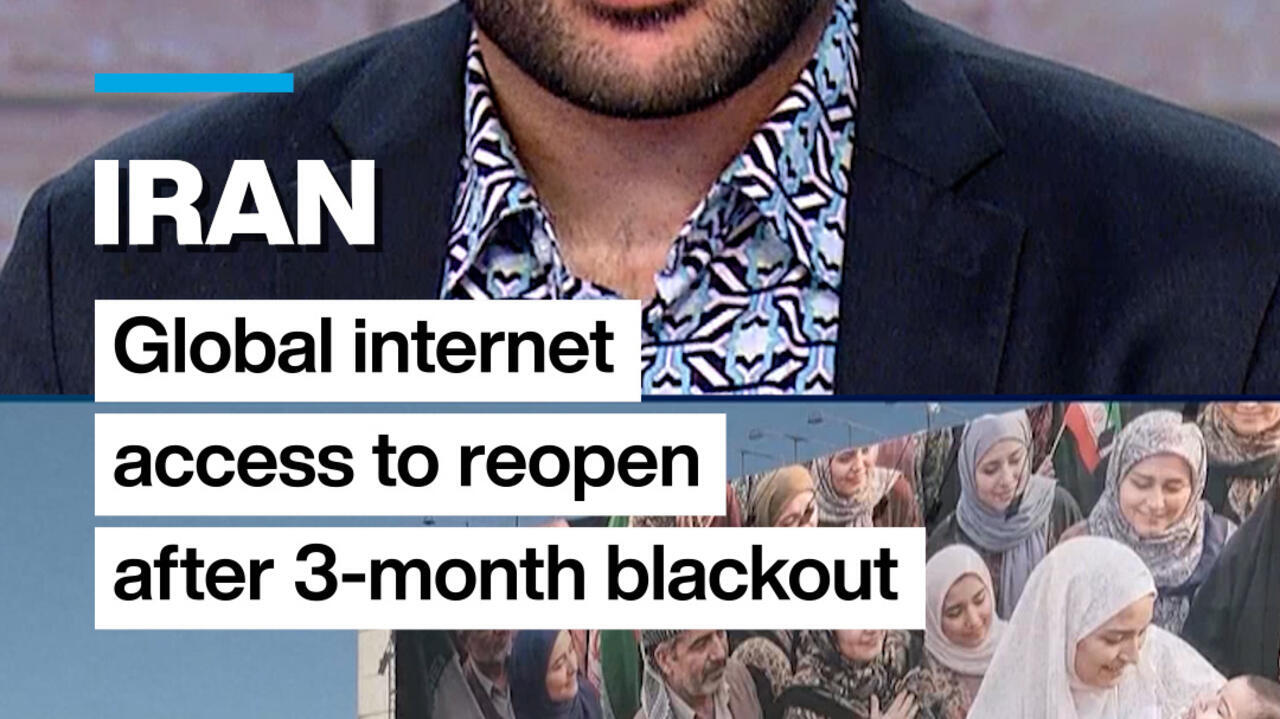
Iran has issued an order to reopen international internet access, concluding a three-month period of nationwide blackout. The directive marks a significant shift in the country’s digital governance strategy, though details regarding the operational implementation remain sparse. The move has immediately drawn scrutiny from policy analysts regarding its practical implications and political motivations.
Paymon Azmoudeh, providing commentary for France 24 International, has questioned whether the restoration of connectivity constitutes a substantive policy adjustment or merely an empty gesture. His assessment highlights the skepticism surrounding the government’s intent, suggesting that the reopening may be more symbolic than functional in its immediate effect.
The specific timeline for the restoration has not been explicitly confirmed in the available reporting, although contextual references from the source material point to a timeframe around May 2026. This ambiguity leaves the public and international observers uncertain about when, or to what extent, full global connectivity will be reinstated for Iranian users.
Uncertainties persist regarding the exact scope of the reopening. It remains unclear whether the order mandates a full restoration of international services or permits only partial access. The lack of detailed operational guidelines from Iranian authorities has fueled debate over the durability and reliability of the restored network.
The announcement comes amid broader discussions on digital sovereignty and state control over information infrastructure. Analysts are monitoring the situation closely to determine if this move signals a broader liberalisation of Iran’s internet policies or a tactical adjustment to external pressures.
Verification of the specific claims made by Azmoudeh and the precise nature of the government’s directive requires reference to the full France 24 report. Until further details are released, the international community remains cautious about the long-term impact of this digital policy reversal.