Iran medicine shortages deepen as sanctions and conflict disrupt supply
About 800 pharmaceutical products are reportedly in short supply, including 90 essential medicines, as damaged manufacturers, inflation and disrupted imports raise costs.
Iran is facing reported shortages of about 800 pharmaceutical products, including 90 considered essential or life-saving, according to Hadi Ahmadi, a spokesman for the Iranian Pharmacists Association. Local media have reported growing difficulty accessing medicines for cancer and other serious illnesses.
Prices have also risen sharply. State-run Mehr News Agency reported increases over the past year of 220 per cent for gabapentin, 375 per cent for acetaminophen, 285 per cent for amoxicillin and 100 per cent for fluoxetine. Insulin was reported to cost up to six times more than a year earlier.
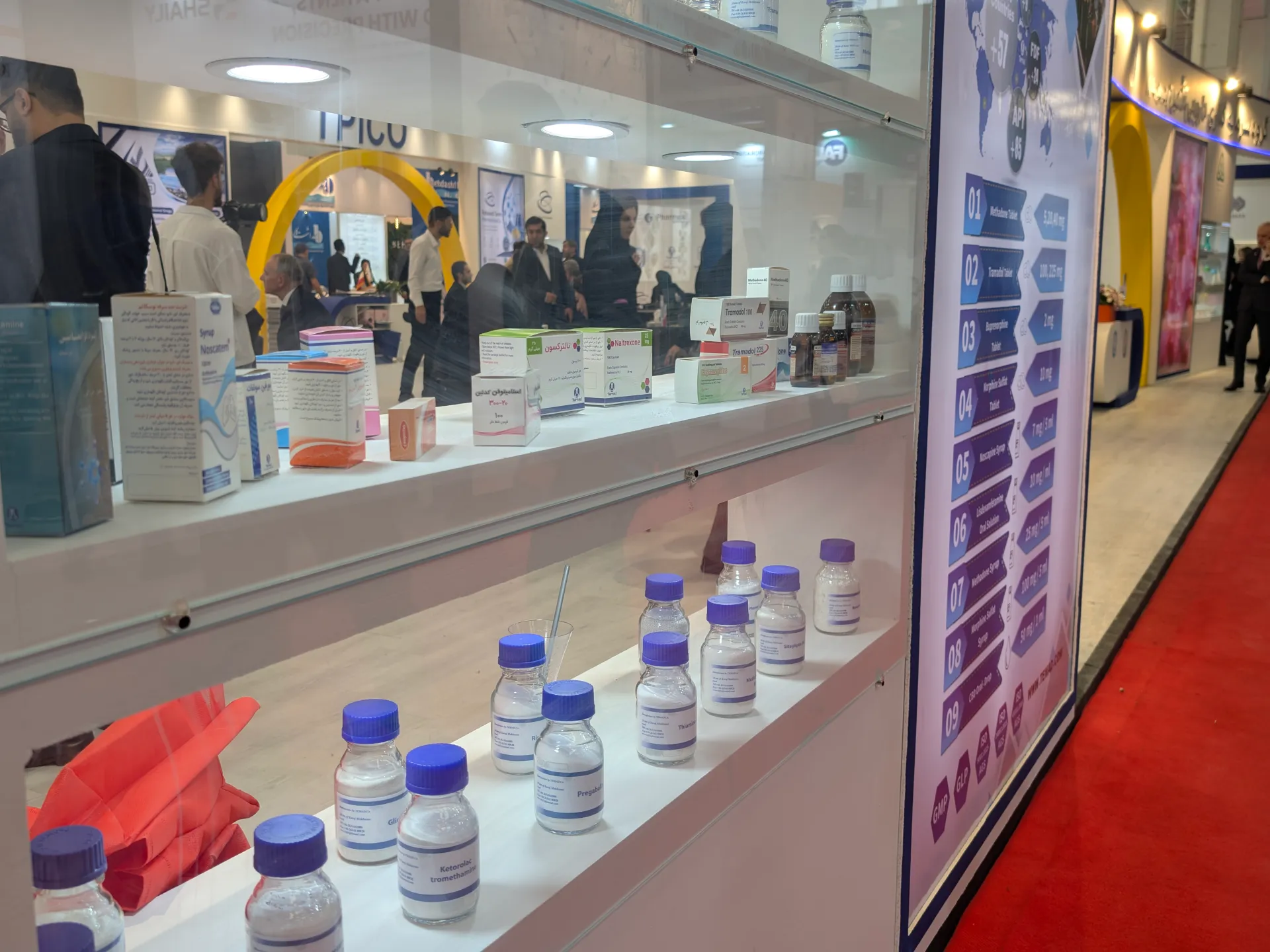
Iran has expanded domestic medicine production but remains reliant on imports for some ingredients, equipment and rare medicines. Iranian officials and local media attribute the disruption to US sanctions, a reported naval blockade, inflation and damage to pharmaceutical and medical-equipment companies. Iranian officials say about 44 companies were damaged or destroyed and about 50 industry workers were killed or wounded.
Tofigh Daru, a major pharmaceutical firm, was reportedly extensively damaged in Israeli air strikes. Its sales director, Maryam Farahani, said the company had rented an alternative production line but estimated partial rebuilding would take at least two years and cost tens of millions of dollars. Israel said the company was linked to fentanyl supplied for chemical-weapons research; Tofigh Daru disputes that account and says its production was for approved medical uses.
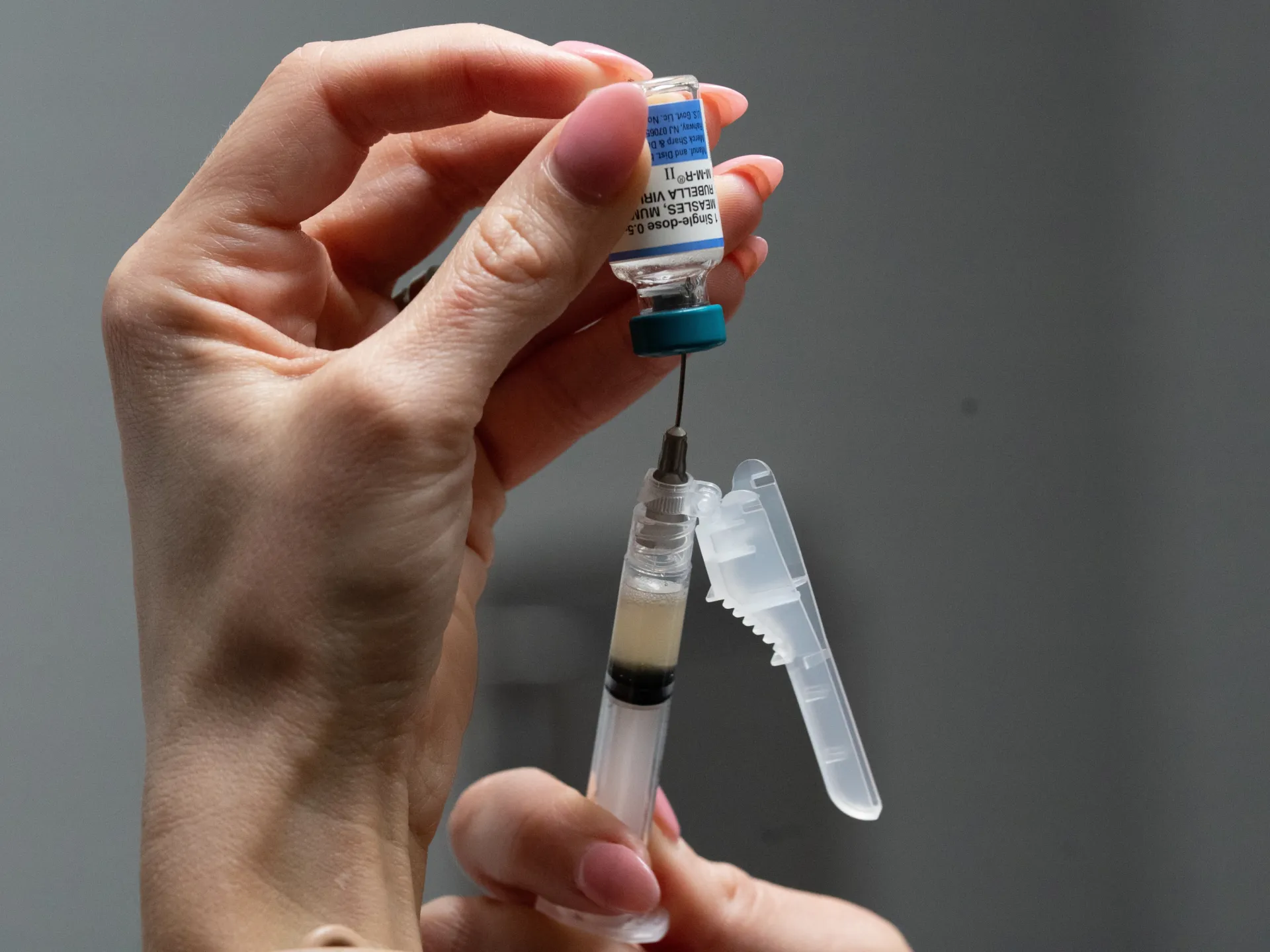
Doctors in Tehran have warned that rising prices could put treatment beyond the reach of people with cancer, chronic illnesses and other vulnerabilities. A doctor who spoke anonymously also reported that rotavirus vaccine imports had halted and warned influenza vaccines could face shortages, though those claims have not been confirmed nationwide.
Iran’s Food and Drug Administration head, Mahdi Pirsalehi, said the pharmaceutical sector would not collapse and that shortages were fewer than last year, without providing supporting figures. The shortage estimates, damage reports and alleged blockade effects have not been independently verified.