Iran introduces subsidised meat scheme as inflation eclipses 73 per cent
As Tehran municipality bodies sell sacrificial meat at 7.4 million rials per kilogramme, officials leverage Eid al-Adha to condemn American demands while households face a 50 per cent drop in red meat demand.
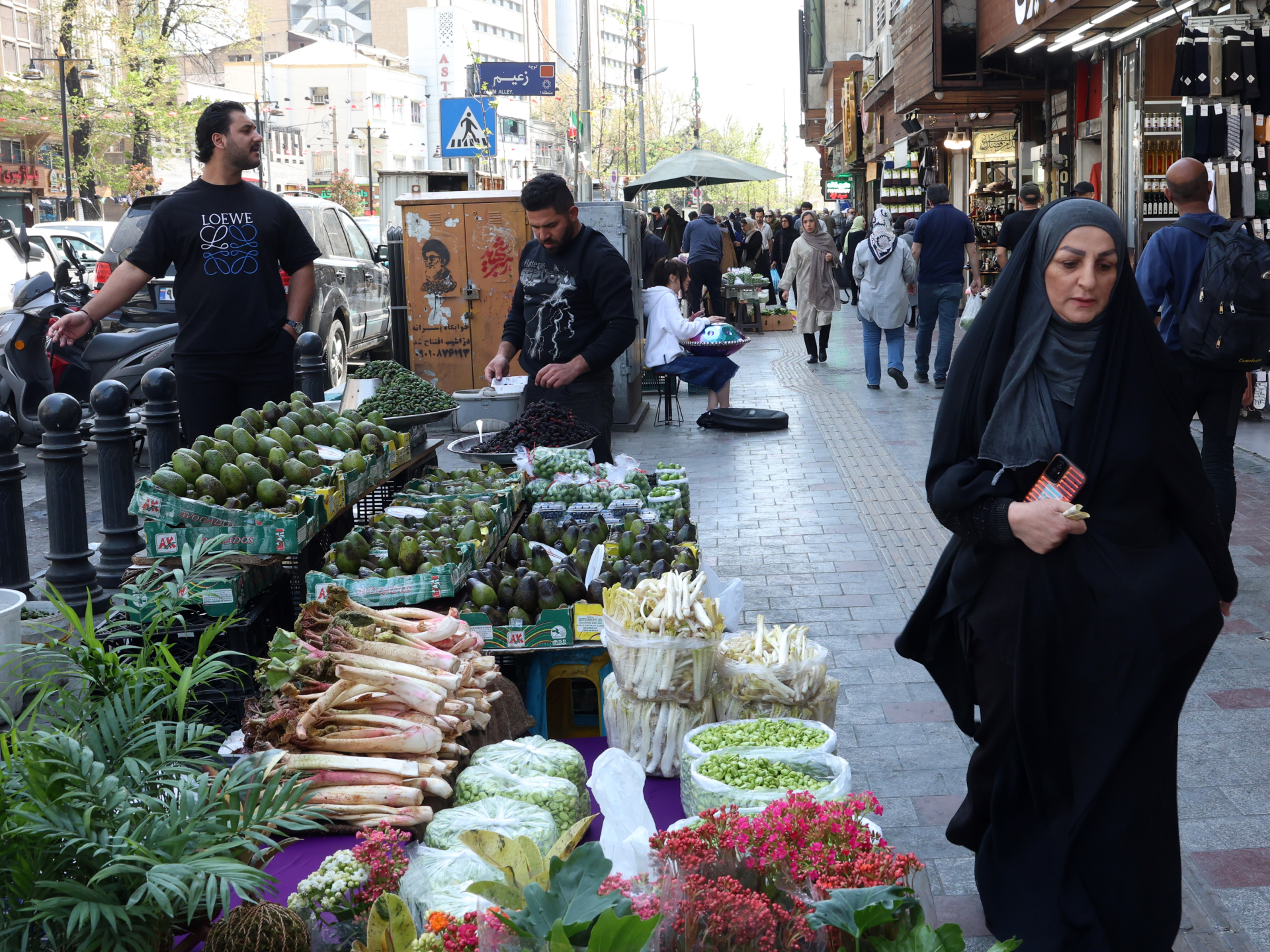
The Iranian government has initiated a subsidised meat distribution programme for Eid al-Adha, selling sacrificial meat at 7.4 million rials ($4.30) per kilogramme at designated shops. This price point, established by a Tehran municipality body, is significantly below market rates, which currently exceed three times the subsidised amount for similar cuts. The initiative is designed to provide a measure of relief for households grappling with runaway inflation and the economic strain of a US-imposed blockade and sanctions.
The scale of the economic pressure is evident in recent data from the Statistical Center of Iran, which recorded year-on-year inflation at more than 73 per cent in the first month of the Persian calendar year, ending in late April. Specific commodity spikes were severe, with rice prices rising by 173 per cent, chicken by 191 per cent, and liquid cooking oil more than quadrupling. The subsidised meat price is equivalent to the cost of a 50kg live sheep ten years ago, highlighting the erosion of purchasing power over the decade.
Market demand has contracted sharply in response to these conditions. Masoud Rasouli, a representative of the meat-packing industry, reported that demand for red meat has fallen by 50 per cent compared to the previous year. While some meat imports have been utilised to counter the effects of the blockade, Rasouli noted that current local demand is so low that existing livestock populations are sufficient to meet market needs. The minimum wage in Iran remains below $100 per month, forcing many families to substitute red meat with cheaper staples such as chicken, eggs, and legumes, which have also seen significant price increases.
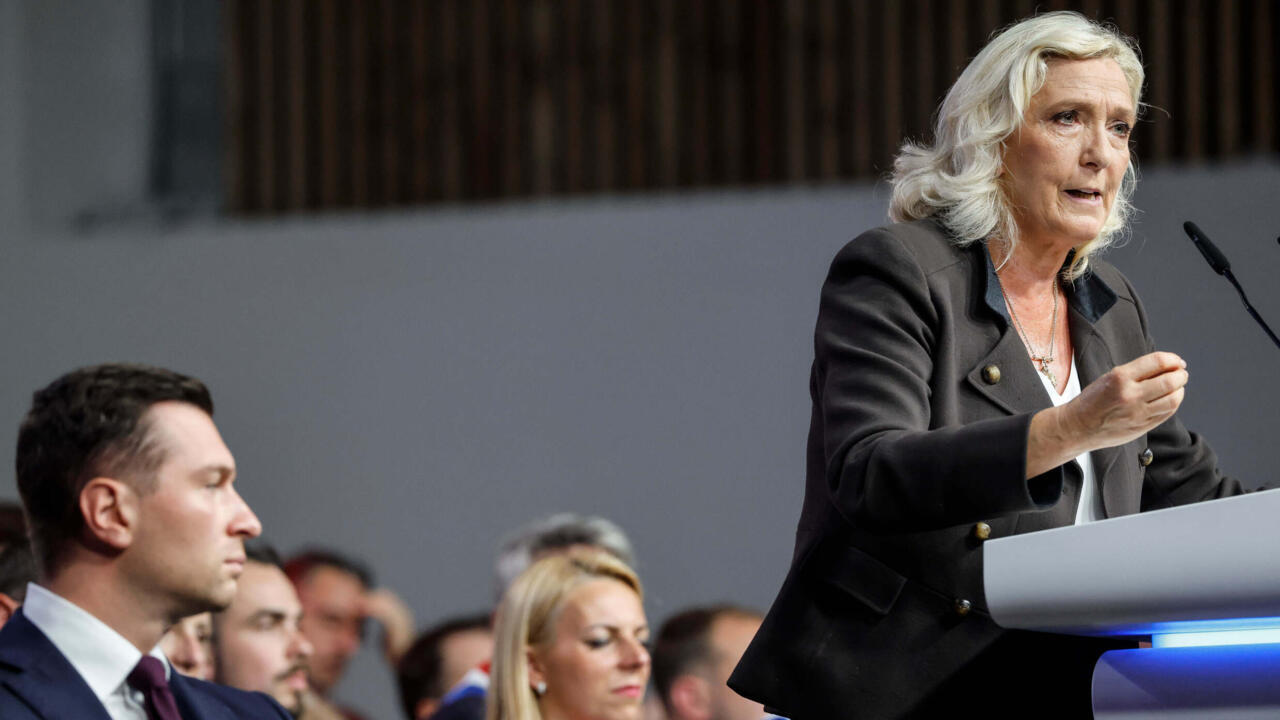
Beyond economic measures, Iranian authorities have utilised the festival to issue strong political rhetoric against the United States. Ayatollah Ahmad Khatami, a member of the Guardian Council, led a large prayer at the University of Tehran, describing US President Donald Trump as a "madman" and condemning any submission to American demands. Khatami characterised the current geopolitical stance as a rejection of humiliation, while also praising government supporters who have held nightly street protests for nearly three months.
President Masoud Pezeshkian adopted a slightly softer tone but maintained a focus on resistance against hegemonic powers. He described the current global climate as one where the "tyranny, occupation, and the arrogance of the hegemonic powers burns bright," framing Eid al-Adha as a symbol of dignity and fearlessness. Meanwhile, Foreign Minister Abbas Araghchi called for Islamic solidarity to confront war and discrimination in West Asia. These diplomatic and domestic messages coincide with ongoing negotiations between Iran and the US through regional mediators, where both sides claim a memorandum of understanding is largely negotiated, though no breakthrough has been achieved amid continued exchanges of fire.