Iran intensifies psychological warfare on Kuwait as desalination strikes continue
Analysts describe the campaign as a strategic effort to undermine the US security umbrella and challenge the habitability of the region, as Kuwait faces unprecedented pressure on its water and power supply.
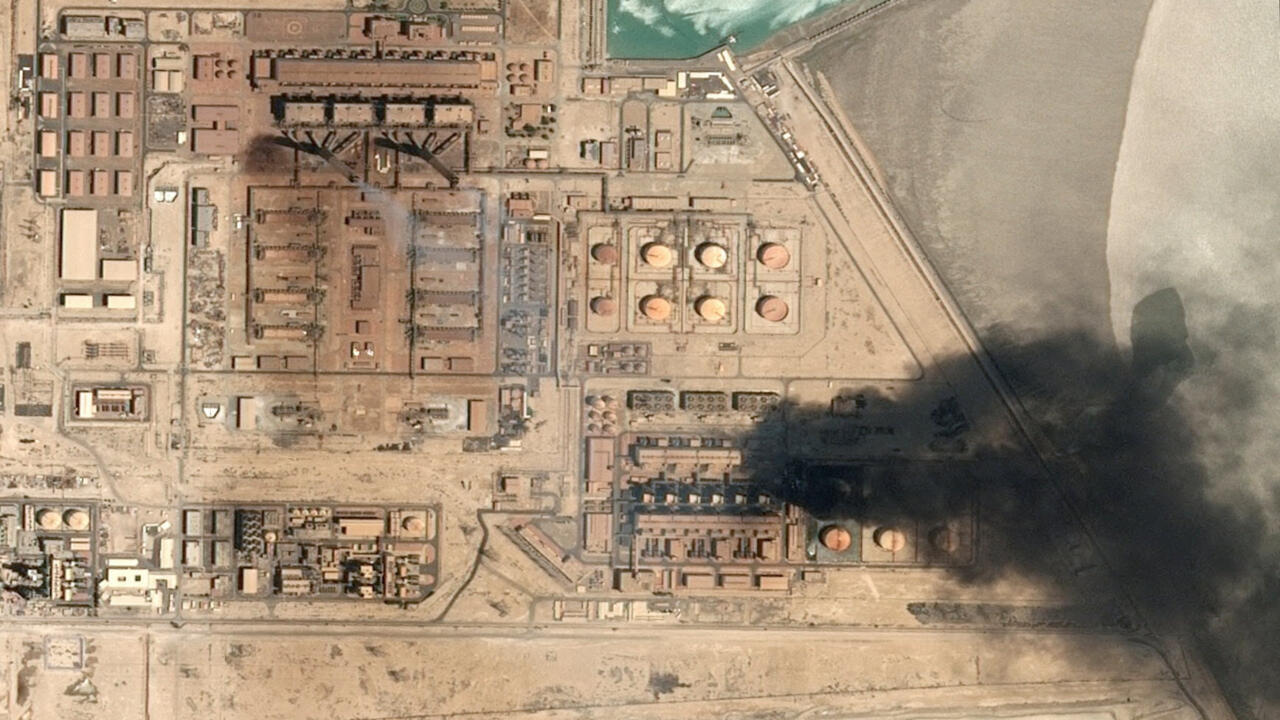
Iranian forces have struck Kuwait’s desalination and power plants for a fourth consecutive day, escalating pressure on the Gulf state which relies on desalination for 90 percent of its drinking water. The attacks, which sparked fires and disrupted electricity supply on Monday, have prompted Kuwaiti authorities to urge the public to reduce energy consumption, particularly the use of air conditioning, to maintain essential services.
The targeting of these facilities places Kuwait in a precarious position, as it depends on cogeneration plants to produce both electricity and desalinated water simultaneously. A single strike can therefore cut off both power and water supply. Experts characterise the campaign as a "psychological war" designed to demonstrate that the US security umbrella is neither total nor infallible, despite Kuwait hosting approximately 13,000 American troops.
Tehran justifies the strikes by citing the US military presence in the country and accusing Washington of employing similar tactics against Iranian desalination facilities. Iranian media reported that US strikes on 18 July destroyed the Bonji desalination plant near Djask and damaged a facility on Qeshm Island, affecting around 10,000 people. The United States has denied these accusations.
Kuwait has endured approximately 1,400 Iranian missile and drone attacks since February, making it the most targeted country in the region after the United Arab Emirates. Analysts note that Kuwait’s vulnerability stems from its lack of retaliatory military capabilities and its proximity to Iranian territory, allowing Tehran to inflict costs without facing direct military consequences.
The conflict represents a shift in regional warfare, with experts describing it as a war "fought through water" rather than a traditional struggle for water access. This strategy exploits the vulnerability of Gulf states that depend on hydrocarbon-powered technology for survival, effectively waging a war against the very habitability of the region.