Iran faces production cuts as Kharg Island storage nears capacity under US blockade
Analysts warn that halting output risks damaging underground reservoirs, though floating storage offers a temporary buffer for revenue.
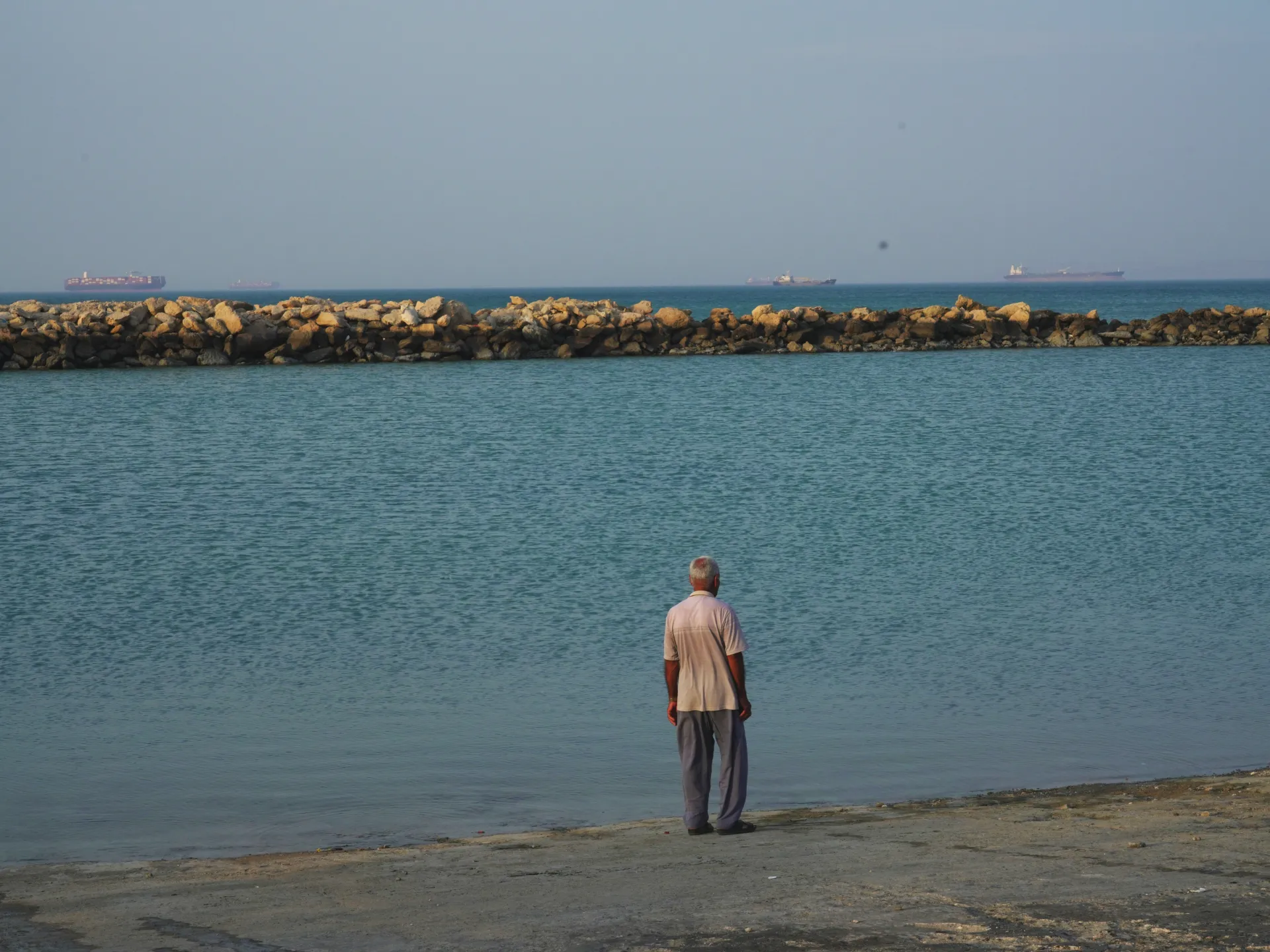
The United States naval blockade of Iranian ports and the Strait of Hormuz has created an imminent risk that Tehran will be forced to reduce oil production. Analysis indicates that crude storage at Kharg Island, the nation's primary export hub, is currently approximately 74 per cent full. Experts warn that if the blockade persists, onshore capacity could be exceeded within 12 to 22 days, compelling a gradual scaling back of output.
While Iran currently exports roughly 1.71 million barrels per day, the blockade has halted new shipments, causing stockpiles to rise sharply since the restrictions commenced on 13 April. Data from the Columbia Center on Global Energy Policy shows that between 17 and 21 April alone, reserves grew by 1.7 million barrels per day. United States Treasury Secretary Scott Bessent has stated that storage could reach full capacity in a matter of days, a timeline that analysts suggest may extend to late May depending on the duration of the maritime restrictions.
Iran retains some flexibility through floating storage capacity and oil already in transit. Officials estimate that between 160 million and 170 million barrels of oil are currently on ships around the world, allowing the nation to continue earning revenue from existing shipments despite the halt on new exports. Additionally, the country possesses roughly 127 million barrels of capacity in parked vessels, providing a temporary buffer against immediate physical limits on land.
Despite these buffers, the strategic choice to halt production remains a significant consideration for Tehran. Analysts note that Iran may choose to stop output fairly aggressively before tanks are completely full to preserve spare capacity for a smoother restart later. This approach would allow for ample storage space once the blockade is lifted, minimising adverse impacts on longer-term supply and avoiding the complexities of restarting corroded equipment.
However, officials caution that stopping production carries substantial risks to the nation's energy infrastructure. Halting output can damage underground reservoirs by reducing pressure, which may allow water or gas to encroach into producing layers and alter oil flow patterns. Restarting the process could involve costly repairs and unclogging of pipelines, potentially making future recovery of oil more difficult and expensive.
The Organisation of the Petroleum Exporting Countries (OPEC) member state remains the third largest oil producer globally, following Saudi Arabia and Iraq. With 90 per cent of its crude oil exported via Kharg Island, the stability of this export route is critical to the nation's economy. The current situation highlights the tension between immediate revenue preservation and the long-term integrity of the country's oil fields under sustained economic and military pressure.