Iran establishes Strait authority as peace talks stall over nuclear and reparations demands
Diplomatic exchanges mediated by Pakistan remain deadlocked as Tehran rejects US proposals on nuclear sites and war damages, while the Revolutionary Guards signal tighter control over regional infrastructure.
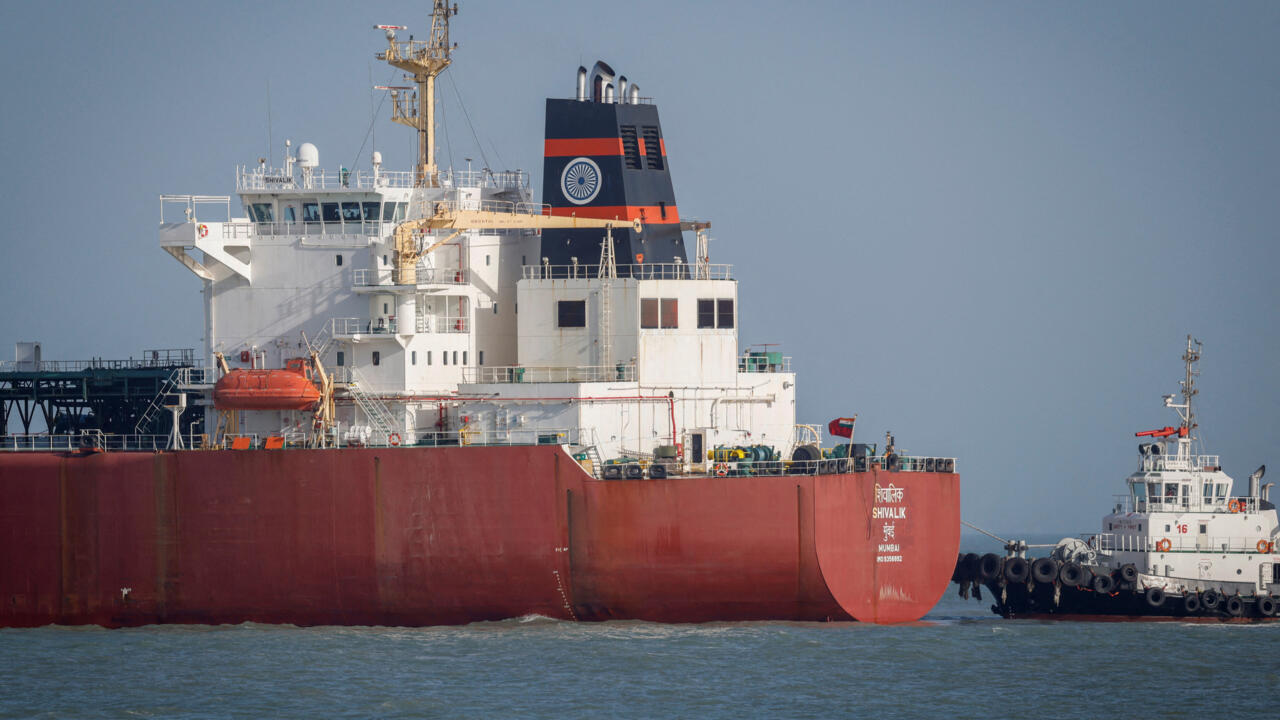
Iran has formally established the Persian Gulf Strait Authority (PGSA) to oversee maritime traffic and enforce tolls through the strategic waterway, a move that signals a consolidation of control amid stalled diplomatic efforts with the United States. The announcement, made by the Supreme National Security Council on Monday, coincides with a fragile ceasefire that has held since April 8 following the outbreak of conflict with the United States and Israel on February 28.
The new body will provide real-time updates on operations in the strait, which Tehran has effectively closed since the start of the war. According to earlier statements from state broadcaster Press TV, the PGSA is designed to exercise sovereignty over the waterway, with regulations for passing ships distributed via official channels. The Revolutionary Guards navy echoed the Supreme Council’s announcement, reinforcing the institutional backing for the new regulatory framework.
Diplomatic channels remain active but contentious. Foreign ministry spokesman Esmaeil Baqaei confirmed that Iran had responded to a new US proposal, with negotiations continuing through a Pakistani mediator. However, Iranian media reports, citing the Fars news agency, describe Washington’s demands as excessive. The proposed terms reportedly include restrictions on Iran’s nuclear programme, requiring the country to keep only one nuclear site operational and transfer its stockpile of highly enriched uranium to the United States.
Tensions over financial and territorial sovereignty further complicate the talks. Fars reported that the US refused to release even 25 per cent of Iran’s frozen assets or pay war reparations for damage caused during the conflict. Baqaei defended Iran’s position, stating that the demand for reparations was justified given what he termed the "illegal and baseless" nature of the war, while President Masoud Pezeshkian emphasised that dialogue would not come at the expense of national dignity or legal rights.
In a parallel move to assert control, the Islamic Revolutionary Guard Corps (IRGC) stated that internet fibre-optic cables passing through the strait could be subject to a permit system, citing Iran’s absolute sovereignty over the territorial sea’s bed and subsoil. The Guards also reported striking groups linked to the US and Israel in Baneh, in the western province of Kurdistan, alleging they were attempting to smuggle weapons into Iran from northern Iraq.