Iran establishes administrative body for Strait of Hormuz amid stalled US talks
The move coincides with a diplomatic impasse with Washington, though legal experts and international frameworks cast doubt on the feasibility of the proposed regulatory scheme.
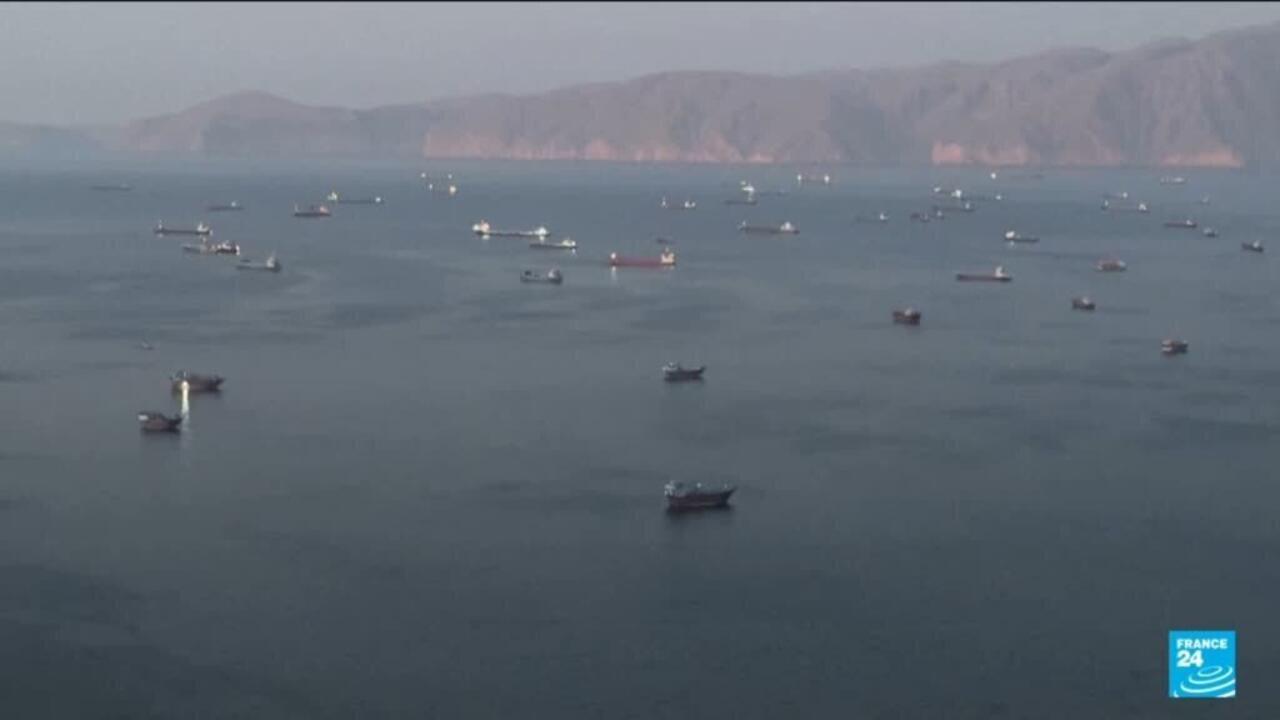
Iran has established a new administrative body tasked with managing the Strait of Hormuz, a strategic waterway that serves as a critical artery for global energy supplies. The formation of this entity was announced as peace negotiations between Tehran and the United States appear to have stalled, raising questions about the strategic intent behind the institutional restructuring.
According to Iranian media reports from earlier this month, the new body intends to implement a permit system for vessels seeking transit through the strait. Under the proposed framework, ship operators would be required to disclose sensitive commercial and operational data, including details regarding ownership, insurance coverage, crew composition, and cargo manifests.
However, the specific functions and operational scope of the new administrative body remain unclear. It is not yet evident how the entity will enforce its regulations or whether it possesses the legal authority to mandate such disclosures under existing international maritime law.
The proposal faces significant legal and practical hurdles. Legal experts note that the United Nations Convention on the Law of the Sea generally prohibits levies on ships sailing through international straits. Furthermore, US sanctions continue to restrict Iran’s access to global reinsurance markets, complicating any attempt to offer or mandate insurance schemes for transit.
Compounding these legal uncertainties is the ongoing security situation in the region. Since 13 April, the United States has implemented a naval blockade of all ships coming from or going to Iranian ports. This blockade casts doubt on the practical viability of the permit scheme, as it remains uncertain whether any vessel paying Iranian insurance premiums would be permitted to transit the strait under current US enforcement measures.
While some insurers have re-entered the market with government-backed support, such as Chubb’s participation in a US-supported programme, the divergence between Tehran’s regulatory ambitions and the realities of the naval blockade suggests the new body may face immediate operational constraints.