Iran emboldened by tit-for-tat strikes as Tehran seeks leverage in US negotiations
Following the first direct Israeli airstrikes on Iranian soil since April, Iranian President Masoud Pezeshkian argues the confrontation has reinforced Tehran’s negotiating hand with the United States, even as President Donald Trump pushes for a deal to reopen the Strait of Hormuz.
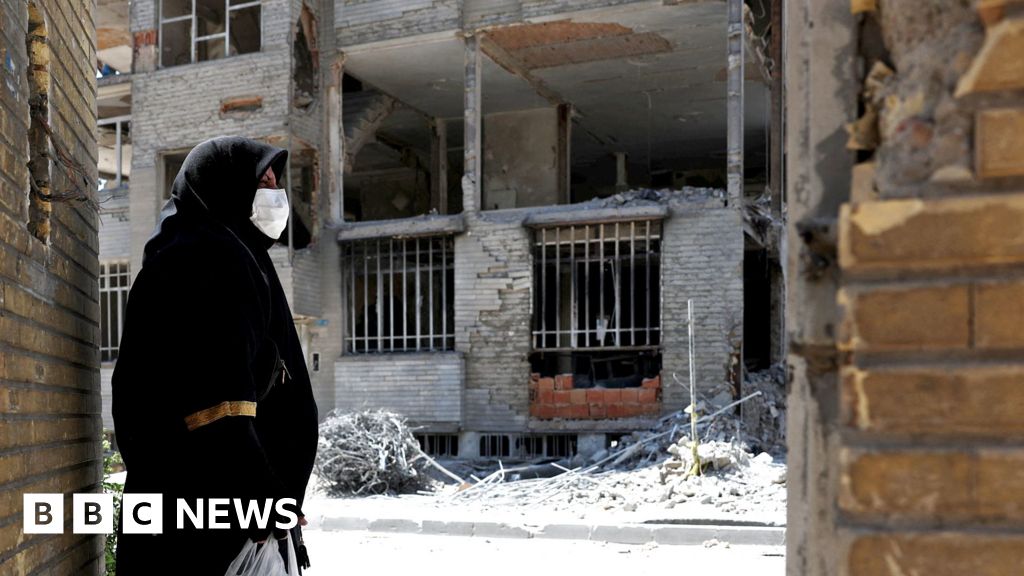
Iranian leaders appear emboldened by the outcome of the weekend’s military exchanges, with President Masoud Pezeshkian asserting that the confrontation has strengthened Tehran’s negotiating position with the United States. The strikes, which marked the first direct Israeli attacks on Iranian soil since a US-brokered ceasefire in April 2026, were carried out in retaliation for Iranian missile attacks on Israel. Pezeshkian described diplomacy and defence as the "two wings of national power," stating that Iran had neither abandoned the field nor the negotiating table.
The escalation occurred despite US President Donald Trump urging Israeli Prime Minister Benjamin Netanyahu to hold fire. Trump told journalists he intended to call Netanyahu to prevent retaliation, fearing it would jeopardise fragile diplomacy with Tehran. However, analysis suggests Washington provided tacit approval for the limited counterattack. Veteran US negotiator Aaron David Miller characterised Trump’s stance as a "blinking yellow light," indicating that while the president preferred restraint, he did not forbid the response.
The Israel Defence Forces confirmed "full co-ordination" with US Central Command during the operation, noting that US military assets assisted in intercepting Iranian missiles fired at Israel. The IDF stated that hundreds of US personnel in the region liaised with Israeli forces, making an uncoordinated attack logistically improbable. This alignment suggests that while Trump publicly distanced Washington from the strikes to maintain leverage with Tehran, US military infrastructure facilitated the Israeli response.
Iran’s decision to strike Israel was linked to recent Israeli attacks on Beirut, Lebanon, indicating a strategy to link the ceasefire in Lebanon with its own negotiations with the US. Tehran is prioritising two objectives: access to frozen oil revenues, valued at tens of billions of dollars, and limits on Israeli escalation against Hezbollah. The Iranian leadership believes that creating dispute between the US and Israel benefits its position, particularly as it senses Trump’s low appetite for further risk ahead of the US midterms.
Trump has indicated that a deal with Iran is "very close" and could be finalised within two or three days, with the immediate goal of reopening the Strait of Hormuz. The Strait remains closed due to Iranian actions, causing high oil prices that pressure the US economy. Indirect peace negotiations, mediated by Pakistan, continue as both sides navigate a fragile diplomatic landscape. While Trump denied being defied by Netanyahu, the incident highlights the complex interplay between military action and diplomatic strategy in the region.