Iran denies direct US talks on Strait of Hormuz as Houthis target Saudi refinery
Amidst escalating regional tensions, Iran’s foreign minister ruled out direct negotiations with the United States regarding the Strait of Hormuz, citing indirect diplomatic channels. Simultaneously, the Houthis claimed responsibility for an attack on a Saudi Aramco facility.
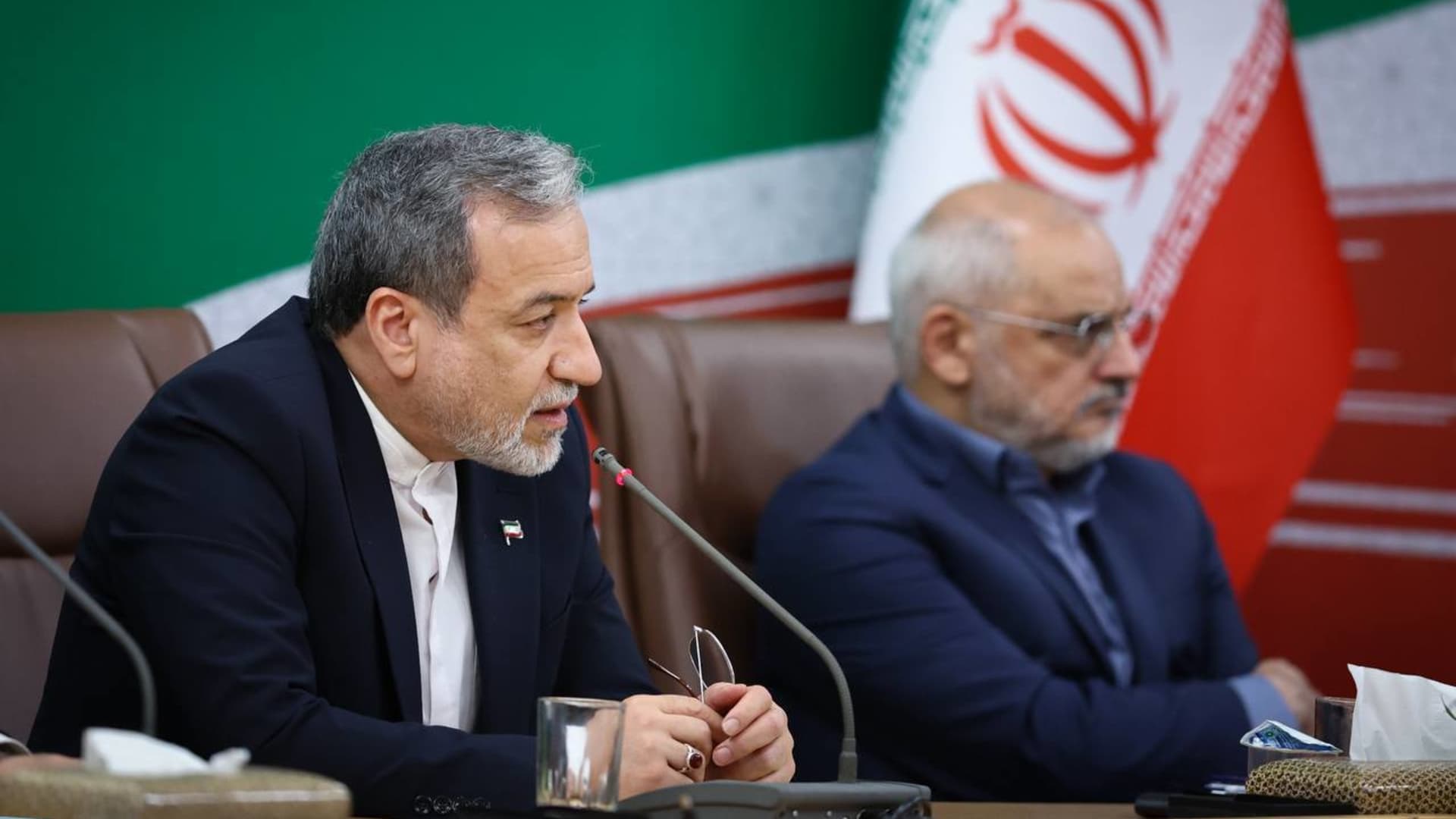
Iran’s foreign minister has stated that Tehran is not engaged in direct talks with the United States concerning the opening of the Strait of Hormuz. Despite this denial, the official confirmed that diplomatic messages are being exchanged through intermediaries, highlighting a complex backchannel approach to the escalating geopolitical crisis.
The statement comes against a backdrop of heightened military activity in the region. Iran’s Khatam al-Anbiya command previously declared the strategic waterway closed to all vessel traffic and threatened to target any ships attempting to transit. This declaration followed Iranian strikes on two vessels and recent US airstrikes in southern Iran.
US Central Command has contested Iran’s closure claims, maintaining that commercial ships continue to transit the Strait. The conflicting reports underscore the uncertainty surrounding the operational status of one of the world’s most critical energy chokepoints, with tensions rising after US forces launched a bombing raid on Iran using 49 Tomahawk missiles.
In a separate development, the Houthis claimed responsibility for an attack on a Saudi refinery. The group asserted involvement in the incident, which resulted in a fire at the facility. The specific extent of damage to the refinery was not detailed in the available reports.
Saudi Aramco, the state-owned oil giant, confirmed that it successfully extinguished the fire resulting from the attack. The incident adds another layer of volatility to the energy markets, occurring as diplomatic efforts continue through separate channels, including Oman, to manage the situation in the Gulf.