Iran demands compensation and ceasefire as Hormuz reopening stalls
Negotiations between Iran and Oman over transit management are nearing completion, yet the US opposes unilateral Iranian control over the vital waterway.
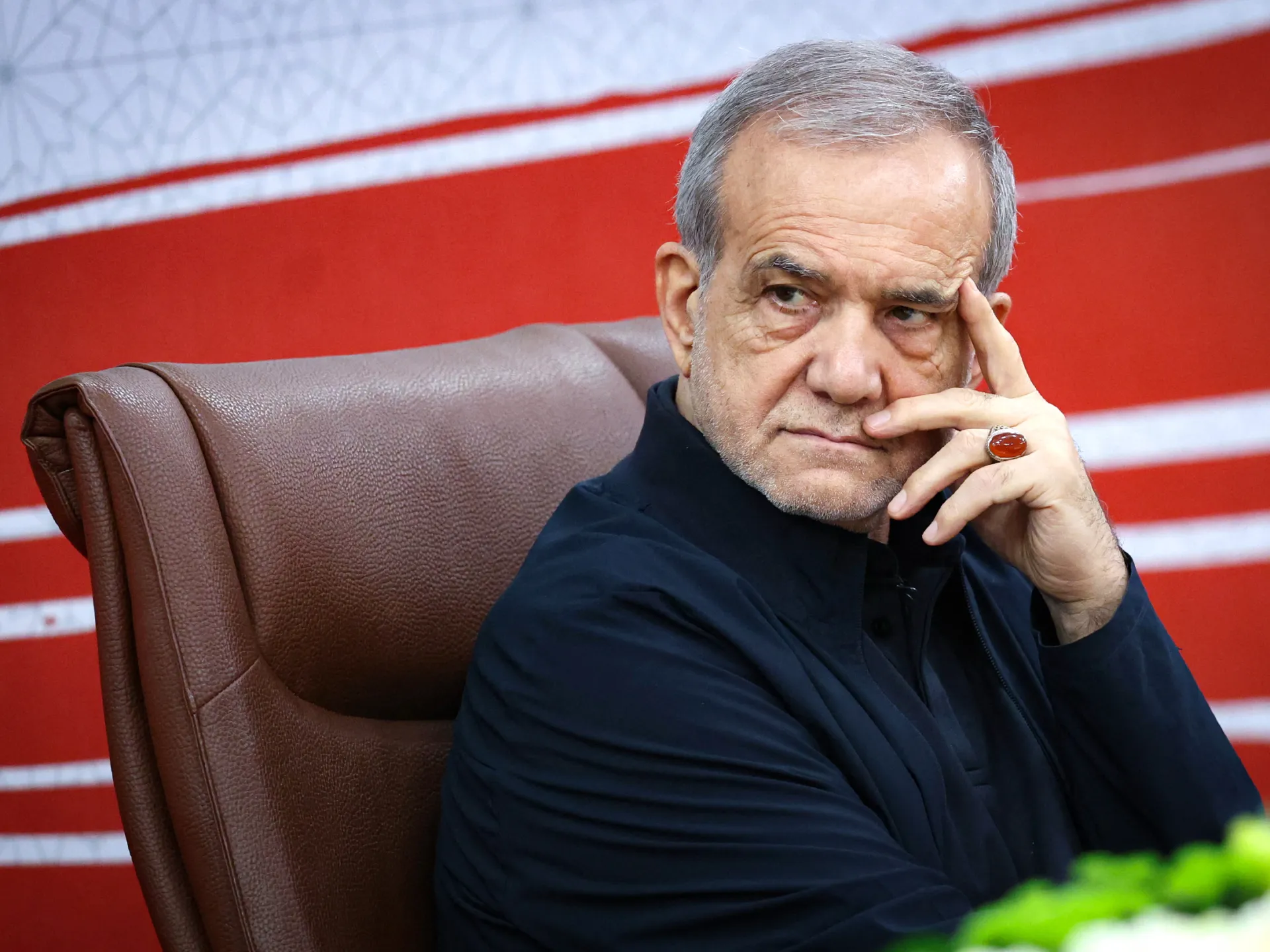
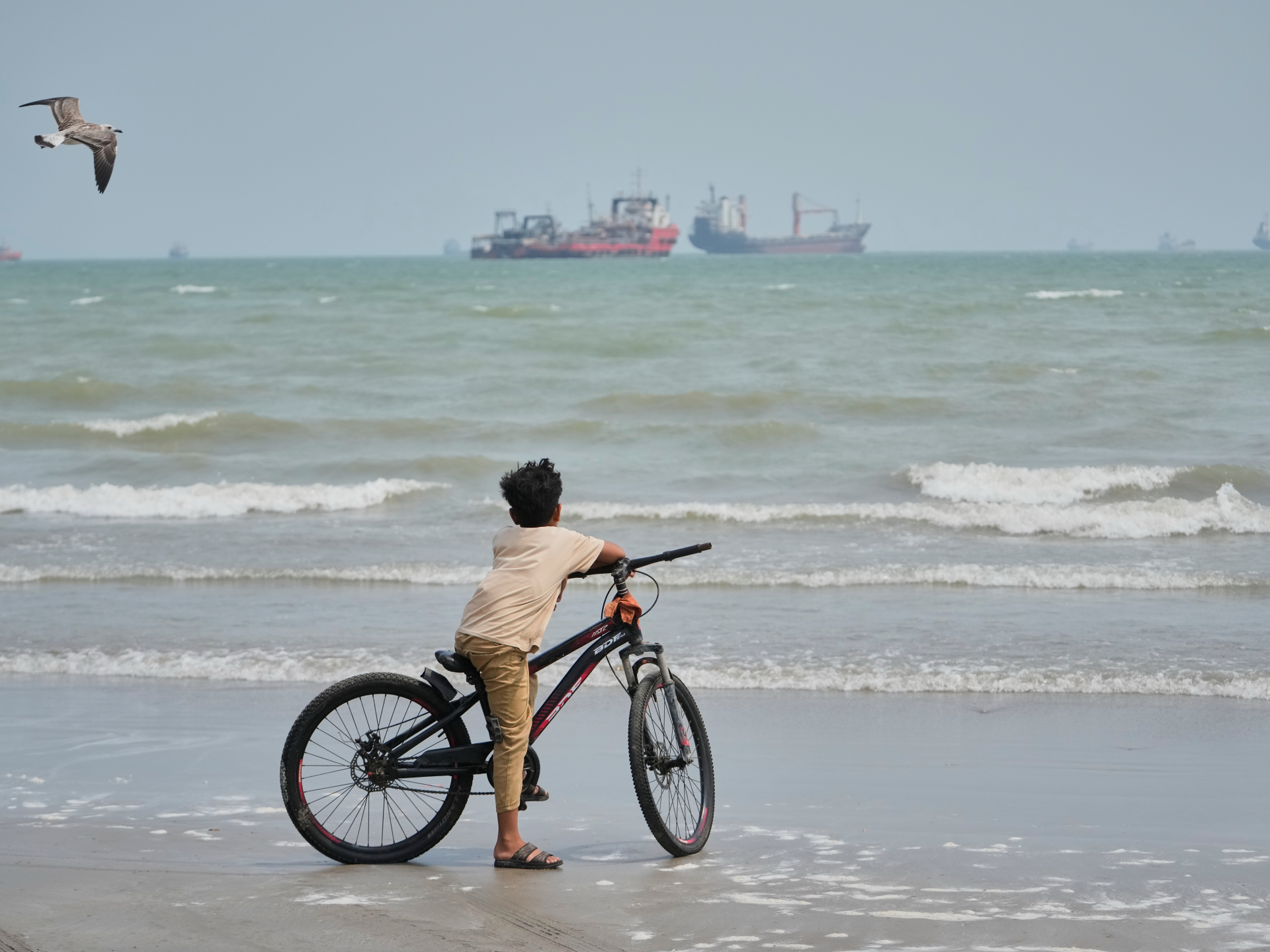
Iranian President Masoud Pezeshkian has declared that the period of “neither war nor peace” with the United States must end, asserting that Tehran is currently in a position of strength and that the time is ripe for a lasting agreement. The president’s comments coincide with advanced diplomatic efforts between Iran and Oman to reopen the Strait of Hormuz, a critical maritime chokepoint through which approximately one-fifth of global oil shipments transit in peacetime. The strait has been effectively blockaded since the United States and Israel initiated military operations against Iran on 28 February, a conflict that has resulted in more than 3,400 deaths.
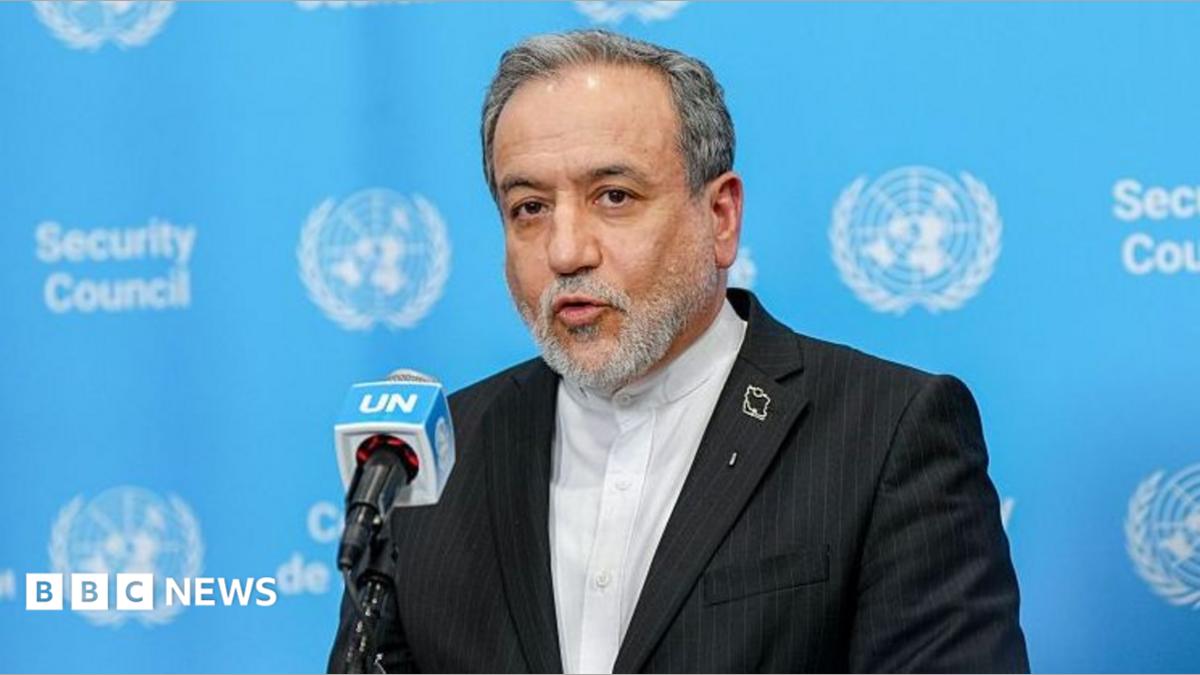
While Iranian Foreign Minister Abbas Araghchi stated that discussions with Oman regarding the transit and management of the strait are “approaching the final stages,” the path to reopening remains obstructed by a series of escalating demands from Tehran. Araghchi clarified that Iran is not negotiating directly with the US, describing the interaction as merely “exchanging messages” via intermediaries. He emphasised that any agreement is subject to specific conditions, including compensation for the violation of a June memorandum of understanding signed between the two nations.
The Iranian Supreme National Security Council, led by secretary Mohammad Bagher Zolghadr, has announced six new conditions for reopening the strait, significantly complicating diplomatic efforts. These demands include a permanent halt to attacks against Iran and its allies in Palestine, Yemen, Iraq, and Lebanon, an end to US threats against Iran’s national and religious values, and financial compensation for war damage. Zolghadr stated that the strait would remain closed until Washington “corrects its behaviour,” linking the waterway to a broader set of political and military grievances.
Tehran has reportedly agreed on coordinates for new shipping routes with Oman, proposing a temporary arrangement where Iran oversees vessels entering the Gulf while Oman manages traffic heading out. However, the Islamic Revolutionary Guard Corps (IRGC) reinforced that reopening the strait is contingent upon Washington accepting Iran’s conditions. IRGC spokesperson Hossein Mohebbi told Tasnim News Agency that the waterway would only reopen once the US accedes to these preconditions, framing control over shipping as a key bargaining tool for economic relief from sanctions.
The United States opposes any arrangement that grants Iran unilateral control over the waterway and has objected to proposed fees associated with the Iran-Oman proposal. Washington has indicated that it will lift its own blockade on Iranian ports only once commercial shipping through Hormuz is restored without impediments, tying its actions to Iran’s compliance. Meanwhile, security concerns persist; a UK Maritime Trade Operations report confirmed that a ship was hit by a projectile off the coast of Oman on Saturday, causing a fire but no casualties, with the perpetrator remaining unidentified.