Iran criticises US hosting obligations as World Cup visa impasse deepens
Abolfazl Pasandideh cites security conflict for training disruptions, while federation seeks multiple-entry visas for West Coast matches.
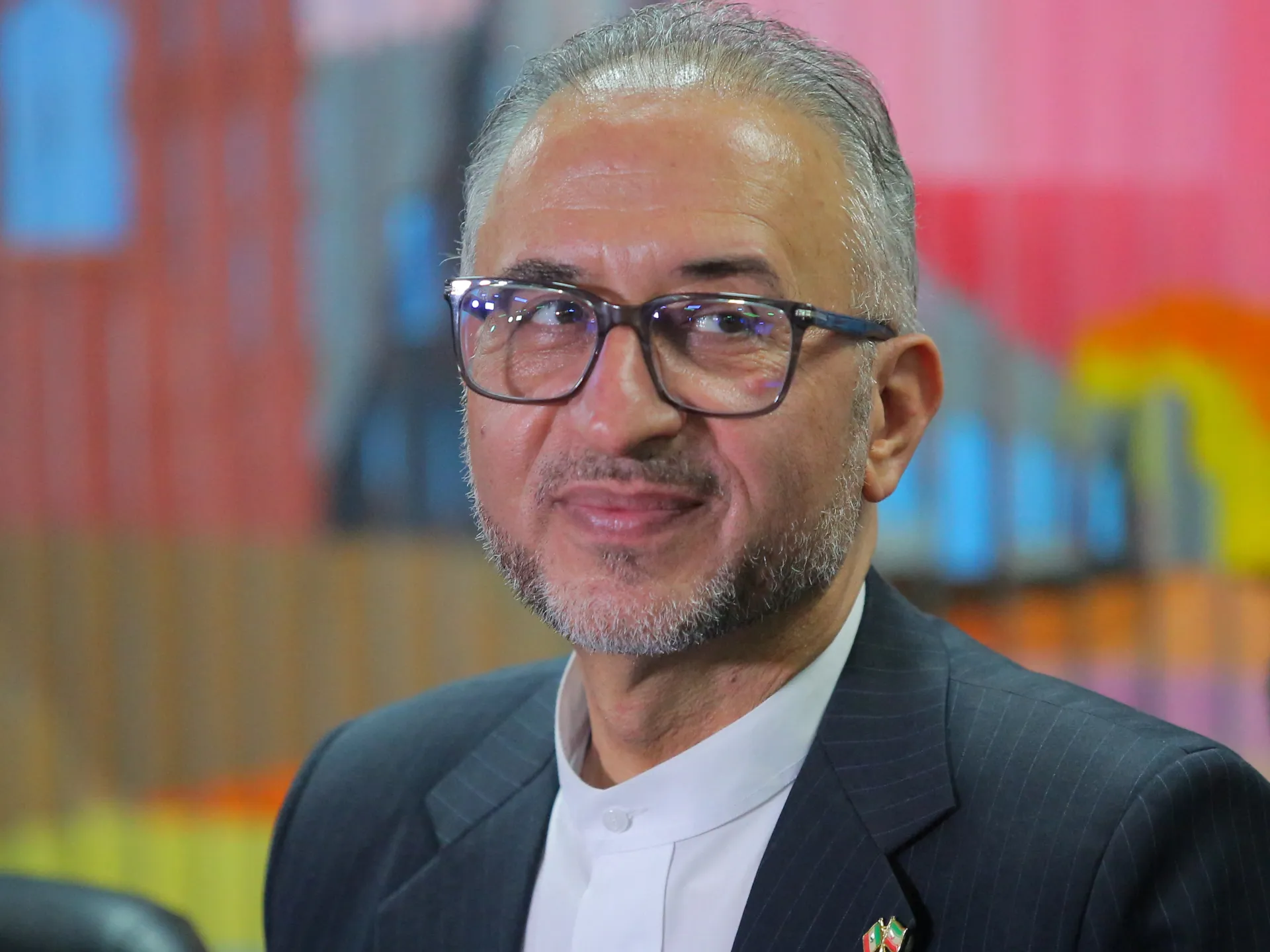
Iran’s ambassador to Mexico, Abolfazl Pasandideh, has formally criticised the United States for failing to uphold its hosting responsibilities, stating that the Iranian national football team is not competing on equal terms ahead of the 2026 World Cup. Speaking at a news conference in Tijuana on Thursday, Pasandideh highlighted the ongoing difficulties in securing US visas and establishing a proper training base, which have forced the squad to relocate from its planned location in Tucson, Arizona.
The ambassador attributed the logistical and diplomatic delays to the broader geopolitical conflict, describing them as a consequence of the “US-Israel war on Iran,” which he stated began on 28 February. Pasandideh noted that the team has been unable to prepare adequately due to these disruptions, expressing uncertainty over whether the players will eventually be granted the necessary travel documentation to participate in the tournament.
In response to the visa impasse, the Iranian Football Federation has expressed hope that players will be issued multiple-entry visas. This measure would be essential for facilitating travel between Mexico and the United States, allowing the team to return to the US for their scheduled group stage matches after training in Tijuana.
Diplomatic engagement continues on the ground, with Iranian officials visiting the stadium in Tijuana where the team is currently based. According to a source from Club Tijuana, Iranian diplomats met with local security officials on Wednesday to discuss arrangements, underscoring the operational challenges the delegation faces in the border city.
Iran is scheduled to play three group stage matches in the United States this June. The fixtures include a match against New Zealand in Los Angeles on 15 June, a game against Belgium in Los Angeles on 21 June, and a final group match against Egypt in Seattle on 26 June. The team’s inability to base itself in the US has shifted the primary hub of their preparation activities across the border.