Iran conflict strains India's generic drug supply chain as energy costs squeeze margins
India's pharmaceutical sector, a cornerstone of global generic supply, faces mounting pressure from regional instability affecting trade routes and energy markets.
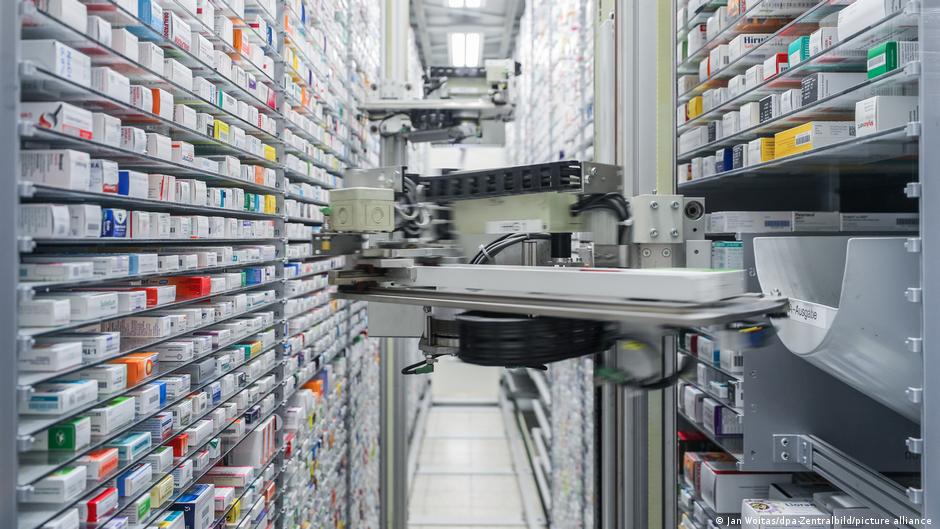
Ongoing conflict in the Middle East involving Iran is disrupting global energy markets and trade routes, placing significant pressure on India's pharmaceutical industry. As the world's largest producer of generic drugs, India faces rising costs for freight, insurance, and chemical solvents, which are squeezing the thin margins of manufacturers who rely heavily on imported active pharmaceutical ingredients (APIs) from China.
The strain on the healthcare manufacturing sector stems from a dual reliance on energy-intensive processes and foreign inputs. Rising oil prices linked to the conflict are driving up freight rates and the cost of key chemical solvents used in drug manufacturing, such as methanol and isopropyl alcohol. This pressure is rippling through the supply chain, increasing the price of producing even basic medicines like metformin and paracetamol, according to industry experts.
Indian manufacturers supply roughly 20 per cent of global generic drug volumes, with more than half of exports going to highly regulated markets including the United States and the European Union. The industry relies on imported APIs for 60 per cent to 70 per cent of its production, with China being the primary source. While domestic production exists, it is estimated to cost 20 per cent to 25 per cent more than imports, making it unviable for many smaller manufacturers currently.
Financial impact estimates from trade bodies suggest the disruption could cost Indian drugmakers between $300 million and $500 million. Industry executives warn that the real impact on production and prices could emerge as early as June if resupply uncertainties continue. While current inventory buffers of two to three months remain intact for most chronic medicines, the situation is more precarious for cold-chain products like vaccines and injectables, which face immediate vulnerability compared to stockpiled items.
The Indian government has implemented short-term relief measures, including waiving import duties on key inputs and allowing limited price increases on essential medicines. Commerce Secretary Rajesh Agrawal has noted that a prolonged conflict could begin to hurt India's exports not just to the region but also to other global markets, urging the industry to cut reliance on imports and push for greater domestic production.
However, structural risks remain high as generic drugmakers operate on thin margins under strict government price controls. Experts warn that this leaves little room to absorb cost increases of 30 per cent to 40 per cent, raising the risk of supply strain if pressures persist. Former World Health Organization chief scientist Soumya Swaminathan has highlighted the need for discussions with major purchasers about mitigation measures to prevent global shortages.