Iran conflict sparks ideological schism in Bangsamoro Muslim community
As the Philippines declares a state of emergency amid energy shortages, local scholars in the Bangsamoro Autonomous Region are polarised between pro-Iran solidarity and anti-Shia narratives imported from Gulf states.
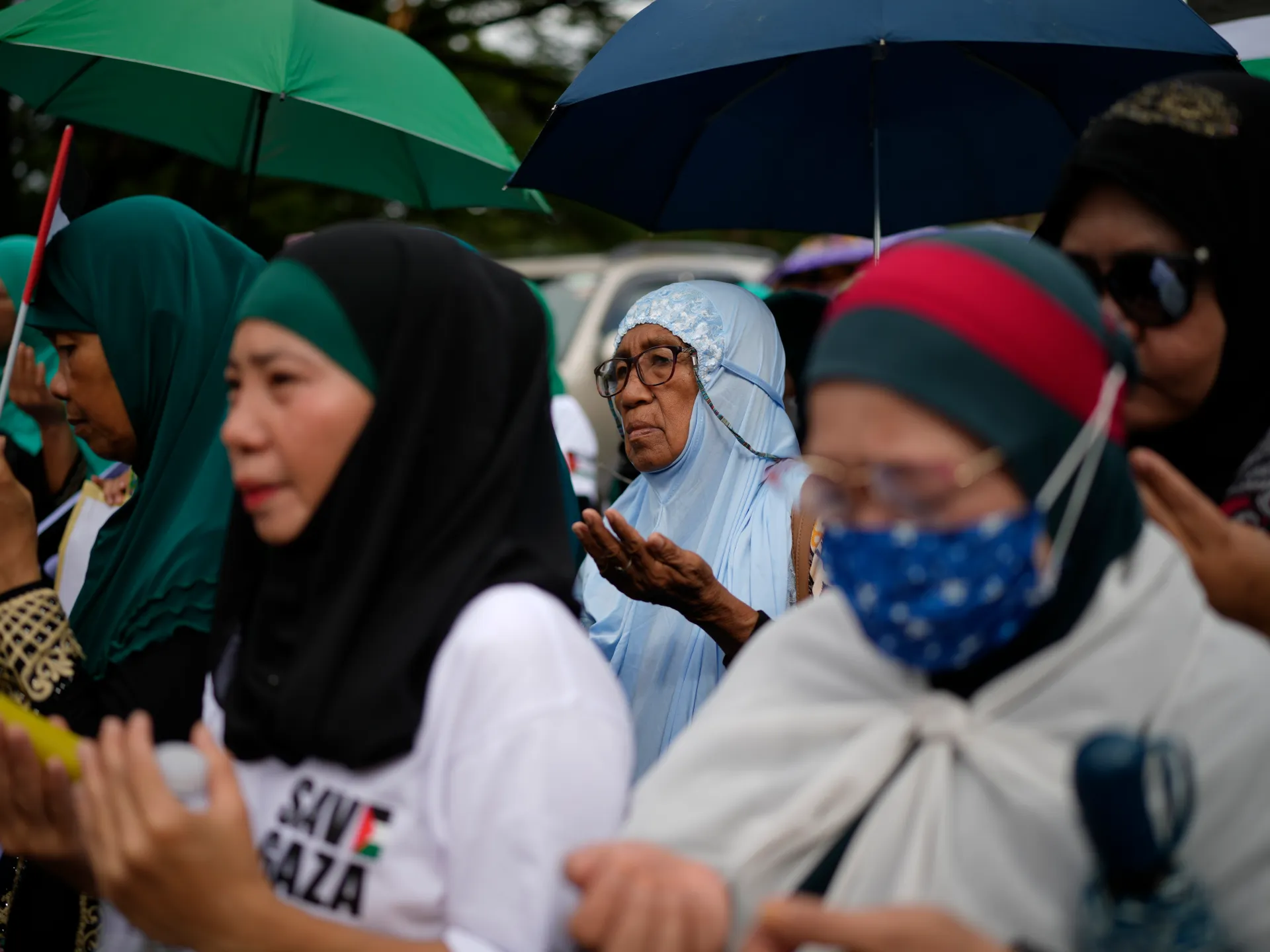
The ongoing US-Israeli military engagement with Iran and the subsequent closure of the Strait of Hormuz have precipitated a severe socioeconomic crisis in the Philippines, marking the first country to declare a state of emergency in response to the conflict. Persistent shortages of oil, liquefied petroleum gas, and other essential commodities have triggered widespread protests over rising costs. However, the repercussions extend beyond the economy, deeply fracturing the ideological landscape within the Bangsamoro Autonomous Region in Muslim Mindanao.
Islamic scholars in the region have split into two distinct camps regarding the conflict. One faction supports Iran’s retaliatory actions against the United States and Israel, viewing Tehran’s involvement as a restoration of Muslim dignity and a response to prayers for Gaza. Conversely, another group opposes Iran, citing Shia-Sunni tensions and characterising Shia Muslims as akin to Zionists. This latter camp, which includes scholars educated in Gulf countries, has described mobilisation for Palestine as an Iranian plot, aligning with pro-Zionist narratives that frame the October 7, 2023, Hamas attack as a singular event while ignoring decades of Palestinian oppression.
This polarisation represents a significant departure from the Philippines’ historical solidarity with Palestine, which has long seen regular demonstrations by both Muslim and non-Muslim activists. The division emerged more visibly following the Abraham Accords, which established diplomatic relations between Israel and several Arab nations. The current schism is not merely theological but reflects the importation of foreign politico-theological frameworks from Arab countries into local discourse, particularly by scholars trained in authoritarian-leaning educational systems.
Concerns have been raised that this entanglement of religion and politics, amplified by scholars with large social media followings, undermines the Quranic principle of seeking advice from those of knowledge. The labelling of opposing scholars as deviants contradicts the distributive nature of knowledge and risks radicalisation within a region navigating a fragile post-conflict transition. Since the 1970s, Muslims in the southern Philippines have struggled for self-determination, and this internal division threatens the formation of a cohesive identity necessary for future unity.
The conflict highlights the dangers of allowing external geopolitical narratives to dictate local religious discourse. Experts warn that divisive rhetoric on foreign issues could damage community cohesion and critical thinking. To preserve unity, there is a call for differences to be addressed on ethical grounds rather than through political lambasting, urging the community to ground its beliefs in its own history of fighting oppression rather than adopting imported ideological frameworks.