Iran conflict severs India-Africa pharmaceutical lifeline as Strait of Hormuz closes
War in Iran has closed the Strait of Hormuz, disrupting the primary route for Indian generic drugs to Africa and exposing structural vulnerabilities in the region’s health supply chains.
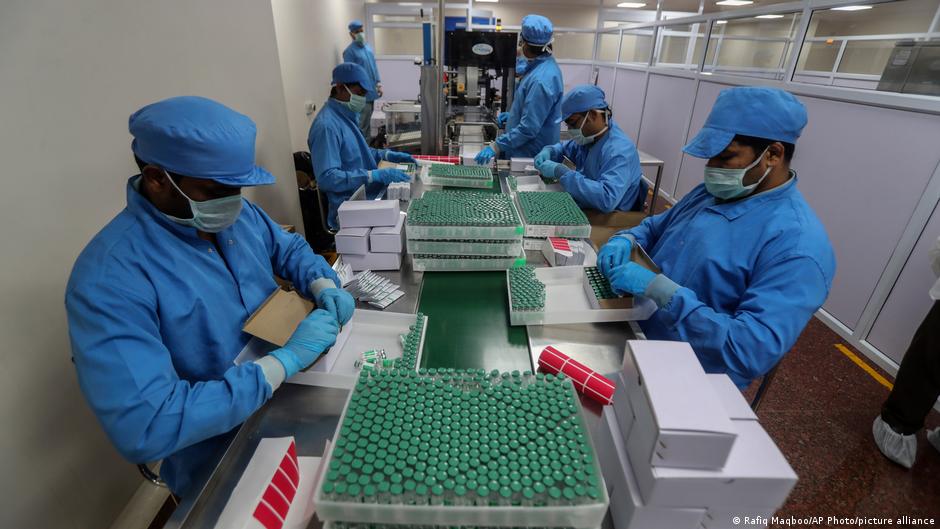
The closure of the Strait of Hormuz due to the war in Iran has severed the primary logistics corridor connecting India to Africa, triggering significant delays and shortages of essential medicines across the continent. India, often referred to as the "pharmacy of the Global South," supplies approximately 40% of Africa's imported pharmaceuticals, including critical treatments for HIV, tuberculosis, and malaria. These supplies typically transit through Gulf cargo hubs in Dubai, Doha, and Abu Dhabi, relying on predictable shipping schedules and stable transit routes that have now been disrupted by rising war-risk premiums and reduced air cargo capacity.
The disruption has caused immediate strain on African healthcare systems, which generally maintain limited medicine stockpiles and rely on tightly timed procurement cycles. Unlike European or US distributors that often hold several months of inventory, many African nations operate with minimal buffer stocks, meaning that logistical delays quickly translate into shortages. Sudan has reported critical medicines stranded in Dubai ports, while Botswana recently declared a public health emergency linked to medicine and medical supply shortages. The World Health Organization’s Africa office noted in late 2025 that more than half of African countries were already facing shortages of essential health products, a situation now exacerbated by the conflict.
Freight costs have climbed sharply, and prices for some active pharmaceutical ingredients have risen by 40 to 50%, with one paracetamol input reportedly nearly doubling in cost. Remi Adeseun, a veteran pharmaceutical executive, told Deutsche Welle that the crisis is exposing deeper structural vulnerabilities than a mere freight disruption. He noted that while local assembly exists, active pharmaceutical ingredients, excipients, and packaging materials are still largely imported from India and China. Manufacturers have only been able to pass on a fraction of these increased costs because African markets are already financially stretched, leaving basic antibiotics, painkillers, and temperature-sensitive vaccines particularly vulnerable.
The consequences for patients are immediate and severe. Rajeev Jayadevan, a medical professional, warned that interruptions in treatment can force patients to space out doses or stop treatment altogether. He highlighted that for tuberculosis, interrupted treatment increases the risk of multi-drug-resistant strains, while delays in treating conditions like glaucoma can lead to blindness. Cargo specialists warn that lost air capacity cannot easily be replaced, creating backlogs that may take weeks to clear, further threatening the delivery of cold-chain medicines such as insulin and certain vaccines.
The crisis has revived debates regarding the need for local pharmaceutical manufacturing and improved procurement systems in Africa. Javin Bhinde, a pharmaceutical industry expert, noted that while major Indian companies have established subsidiaries in Africa to strengthen local supply, the current conflict has exposed how vulnerable those chains remain. Adeseun argued that local manufacturing is necessary but insufficient without predictable procurement and supply-chain visibility. "What looks like a medicine price increase is actually a supply-chain sovereignty test," he said, emphasizing the need for last-mile accountability to prevent external shocks from becoming full-blown crises.
Compounding the logistical challenges, the India-Africa Forum Summit, scheduled to begin in New Delhi, was postponed due to an Ebola outbreak in the Democratic Republic of the Congo and Uganda. The convergence of health emergencies and supply chain failures underscores the fragility of the current system, where disruptions in one region can cascade into widespread treatment gaps across facilities with limited buffers.