Iran brands new US sanctions as 'colonial' overreach amid Strait of Hormuz standstill
Tehran accuses Washington of eroding state sovereignty as oil traffic through the Strait of Hormuz nears a halt and peace talks stall.
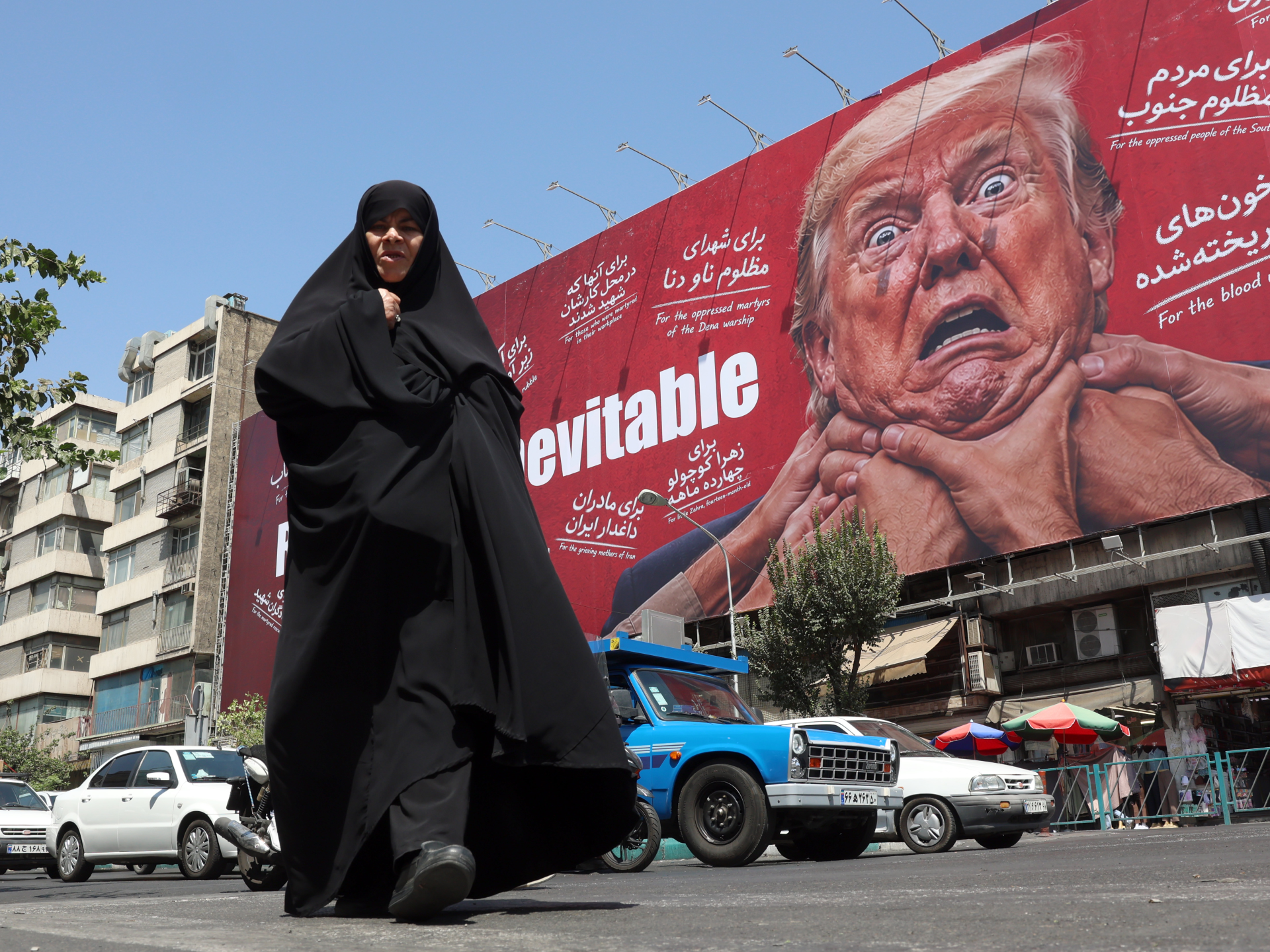
Iran has formally condemned impending United States sanctions as a “complete erosion of sovereignty,” a move that has intensified diplomatic friction between Tehran and Washington. The condemnation follows President Donald Trump’s threat to penalise any nation conducting business with Iran, a policy that Tehran argues infringes upon the rights of other United Nations member states.
Foreign Ministry spokesman Esmaeil Baghaei described the US announcement as an assertion of “extraterritorial sovereignty.” In a statement on X, Baghaei argued that no state can compel foreign banks, enterprises, or airports to renounce commerce with Iran. He warned that the end result would be a return to “full-scale classic colonialism,” undermining the foundational basis of the UN-based inter-state system.
The US government has maintained a firm stance on the new measures. Treasury Secretary Scott Bessent stated on Thursday that the sanctions regime would “collapse” Iran, asserting that other countries are “either with us or against us.” This rhetoric follows Trump’s announcement on Wednesday of what he termed the “most crushing economic operation” yet against Iran, warning that countries interfacing with Tehran would face “tremendous economic consequences.”
Iranian Foreign Minister Abbas Araghchi dismissed the new measures as “bound to fail,” comparing them to previous sanctions efforts. Araghchi noted that Tehran has faced US sanctions for decades, writing on X: “We have seen this movie before... Same bull. Different bullies.”
The diplomatic standoff occurs against a backdrop of stalled peace talks and a significant disruption to regional energy flows. The US Navy has maintained a blockade of Iranian ports, while oil shipment traffic through the Strait of Hormuz has virtually ceased. Ship-tracking data indicated that only four commodity ships sailed along the strait on Thursday, with no large crude carriers or liquefied natural gas tankers present.
Thousands of seafarers remain stranded on hundreds of vessels in the strait. However, Iran has granted special permission for several Iraqi oil tankers to pass through following repeated requests from Baghdad. State news agency IRNA reported that obtaining this special passage was a primary request during Iranian parliament speaker Mohammad Bagher Ghalibaf’s recent visit to Iraq.