Iran blames US for stalled peace talks as Foreign Minister meets Putin in St. Petersburg
Diplomatic efforts to resolve the war face renewed strain as high-level talks in Russia yield no immediate resolution despite Russian assurances.
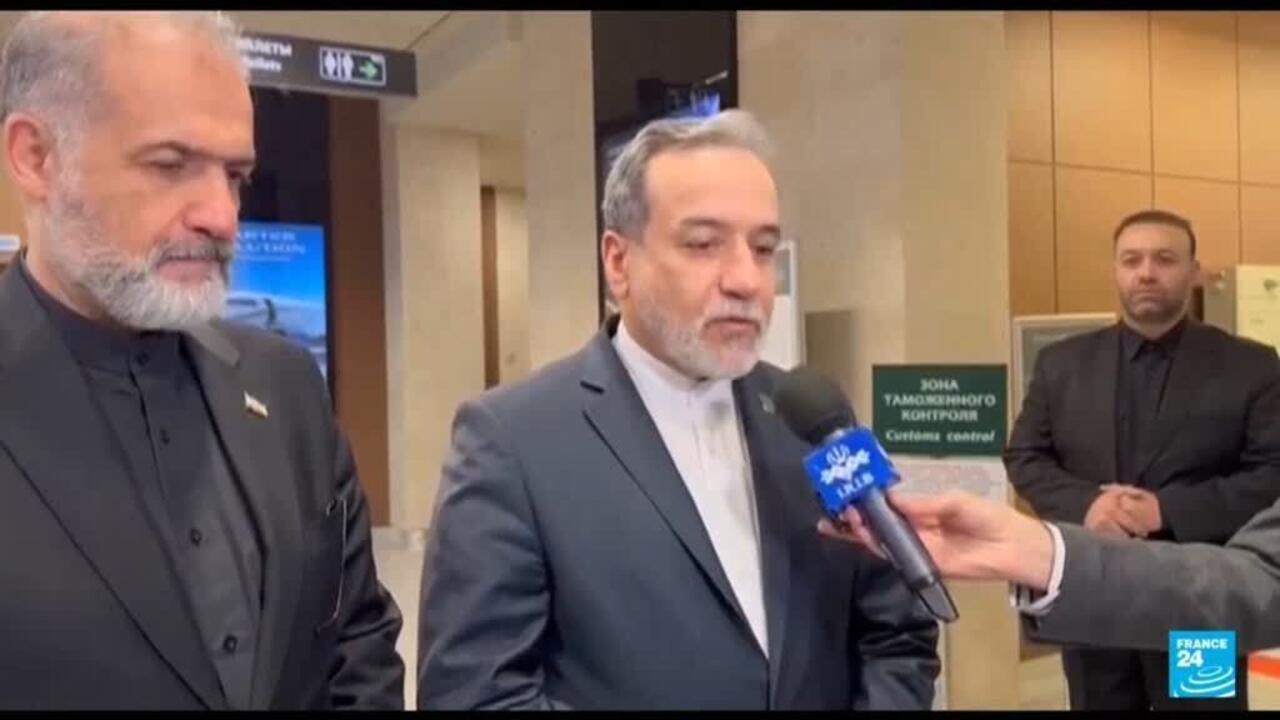
Iran's Foreign Minister Abbas Araghchi met with Russian President Vladimir Putin in St. Petersburg on Monday, a diplomatic engagement that has drawn sharp criticism towards the United States. During the discussions, Araghchi explicitly attributed the failure of recent Middle East peace talks to Washington, marking a significant moment in the ongoing diplomatic strategy between Tehran and Moscow.
The meeting in St. Petersburg occurred against a backdrop of deteriorating conditions for a temporary ceasefire mediated by Pakistan, which has recently come under strain due to disputes over shipping. While previous high-level discussions involving US President Donald Trump, Russian President Vladimir Putin, and Ukrainian President Volodymyr Zelenskyy have taken place, these efforts have failed to produce a concrete resolution to the conflict.
Putin responded to the diplomatic overture by pledging Moscow's support to help bring the war to a close. However, the specific terms or conditions attached to this promise of assistance remain undetailed in the available reporting. This lack of clarity leaves the practical application of Russian backing open to interpretation as the international community watches for further developments.
The attribution of blame by Araghchi raises questions regarding whether this represents a unified stance from the Iranian government or a specific diplomatic tactic employed during the meeting. Tehran's recent arrival of its Foreign Minister in Moscow indicates a pivot in strategy as the nation seeks to coordinate efforts to end the war involving the United States and Israel.
Concurrently, transatlantic relations are being tested by separate but related events. A King Charles state visit to the US is proceeding as planned despite a recent shooting at a White House dinner attended by President Trump. This four-day visit aims to strengthen US-UK relations amidst differing stances on the Iran war, even as the diplomatic landscape shifts in the East.
The failure of the most recent peace talks underscores the complexity of the current geopolitical environment. With Pakistan-mediated ceasefires faltering and high-level diplomacy yielding no immediate breakthrough, the focus remains on whether Moscow's pledged support can translate into tangible results on the ground.